


Stop Fighting Your Oven: Why Fast-Response IR Actually Matters
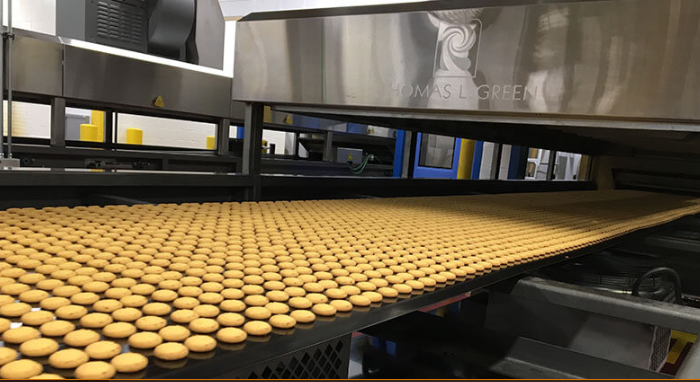
If you’ve spent any time in a high-volume bakery, you know that window. That tiny, stressful gap between a perfect golden crust and a burnt mess. It’s a matter of seconds. The problem is usually the heating elements. Those old-school resistive coils are just too heavy. They take forever to get hot, and once they’re cranking, they hold onto that heat like a grudge. You turn the power off, but the element is still glowing, and your bread keeps cooking. That’s why we use shortwave infrared (IR). It kills the lag. How it actually works Think of it this way: standard coils try to heat the air, and then the air heats the dough. It’s slow. Our IR lamps don’t bother with the middleman. The radiation hits the surface of your bread directly. We call this “second-level response.” In plain English? The moment the relay clicks, the lamp is at full blast. This lets you tighten up your bake cycles. When your sensors tell you the color is just right, you cut the power and the heat stopsright then. No more fighting residual heat stored in a big chunk of metal. The nuts and bolts We build these with high-purity quartz tubes and a halogen gas fill. The halogen is the secret sauce—it stops the tungsten filament from evaporating. This means your lamps won’t blacken or lose their punch after a few weeks of hard use. We can tweak the wattage and voltage to fit whatever footprint you’re working with. Since these high-density tubes pack a punch, you can actually use a smaller heater bank. That means more room for your product. Plus, we use standard R7s or Sk15 connectors, so you can usually just swap them into your existing industrial arrays without a headache. A quick heads-up Now, this kind of power needs a steady hand. Because the heat hits so aggressively, a basic mechanical thermostat won’t cut it. You’ll want a PID controller or an SCR to modulate the power. If your control loop is too slow, you’re going to scorch your product. Also, just double-check that your wiring can handle the high current these lamps pull. It’s a powerful setup. Just make sure your controls can keep up with the speed.