A Quick Guide to Sizing Your Infrared Heater (Without the Overthinking)
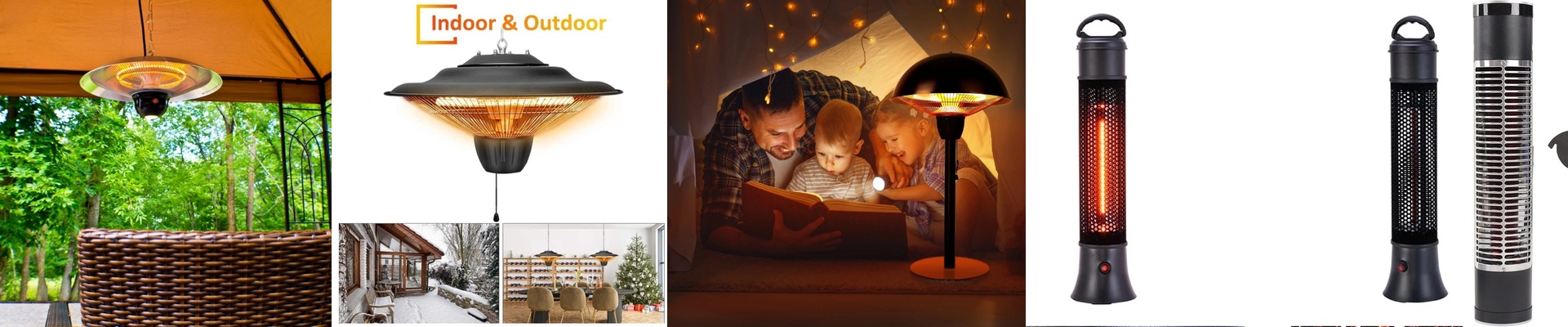
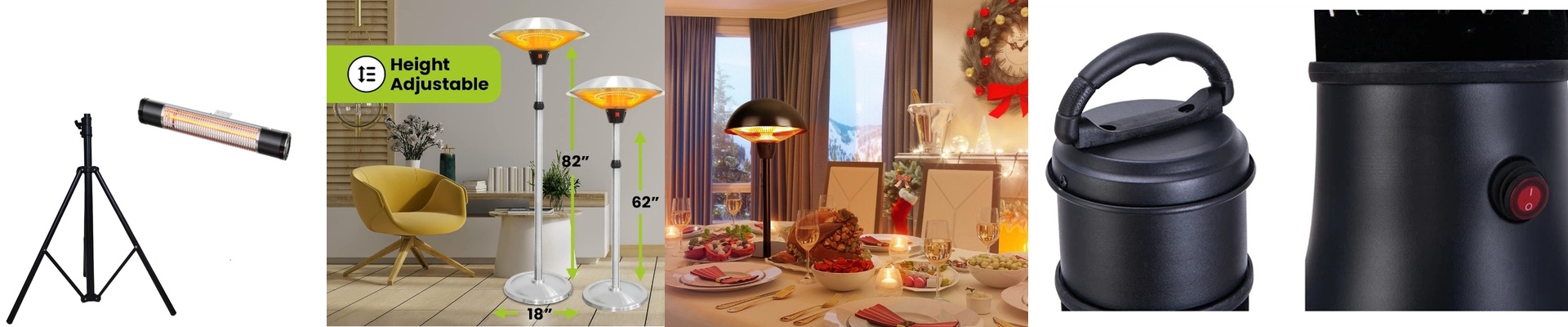
We build infrared halogen heaters for engineers who want heat right where they need it—no more, no less. The whole point? Match the heater’s power to how much heat a room actually loses, not just its square footage.
Power, Voltage, and Size—What Actually Matters
When it comes to performance, wattage density and electrical compatibility set the tone. A typical bedroom unit runs on 400V, with 1000W to 2000W depending on the heat load. More wattage means faster warm-up, sure—but it also means higher current draw. Here’s the practical bit: 400V operation lowers current compared to 230V for the same power. That makes wiring easier and takes strain off the contactors. And tube length? Not just for looks. A longer tube spreads the heat over more surface area, smoothing out hot spots and giving you a more even beam. For a bedroom-sized space, a 600mm to 1000mm tube usually hits the sweet spot between coverage and clearance.
Inside the Design: Halogen, Quartz, Reflective Coating, and the R7s Connector
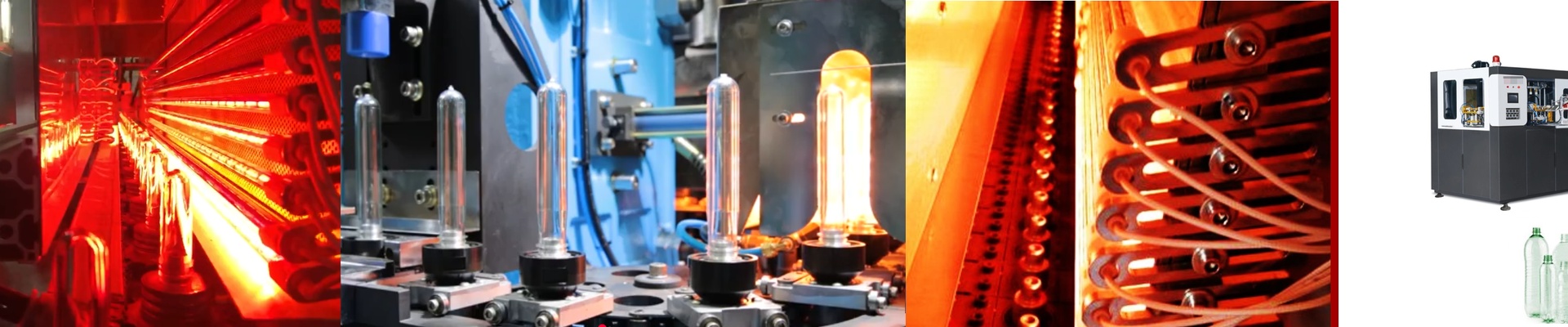
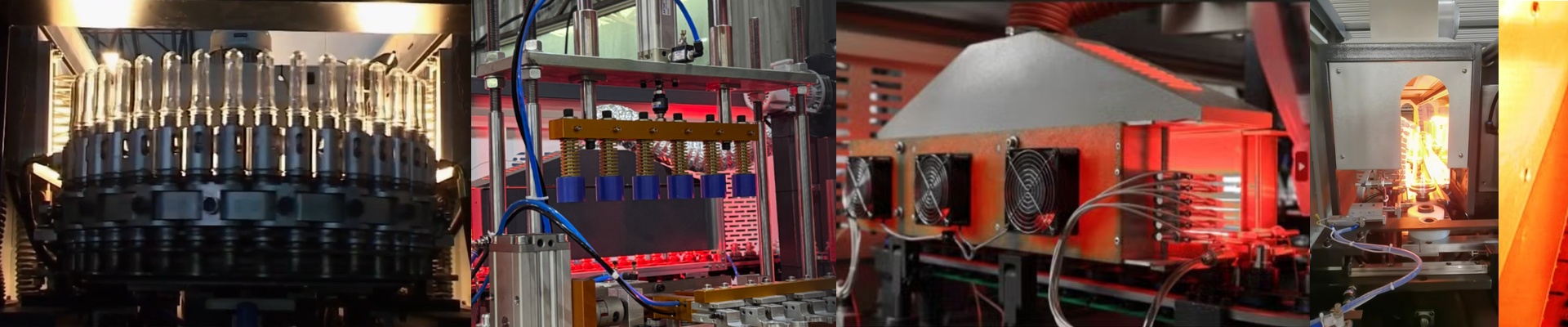
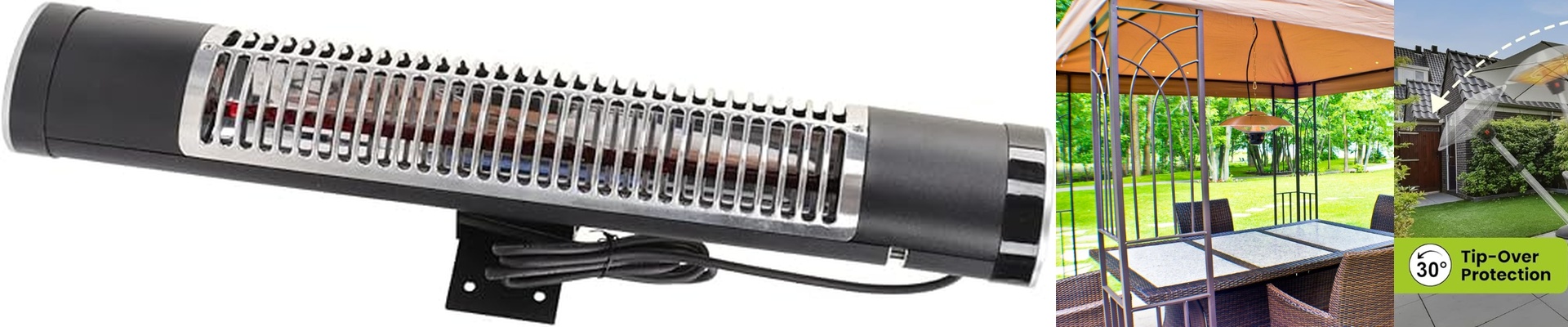
We use a halogen-filled quartz tube because it keeps the filament stable even at high temperatures. The halogen cycle helps prevent blackening, so the output stays consistent over time. The heater stays bright, predictable, and steady—no surprises. The rear half of the tube has a reflective coating that pushes infrared forward. That means better directional efficiency and less wasted heat toward the mount. And the R7s connector? It’s the no-fuss choice for linear tubes. It handles high heat, makes a solid electrical connection at both ends, and turns installation into a simple, drop-in job. No special sockets. No custom brackets. Just align, seat, and wire.
Real-World Sizing: Orientation and Insulation Drive the Decision
Room orientation and insulation level are what really shape the sizing. North-facing rooms and drafty windows lose heat faster, so you need more wattage per square meter. A well-insulated room can run lower wattage without the heater constantly cycling. Our approach is straightforward: calculate heat loss, then pick a heater that can hold your target temperature without running wide open. Yes, higher wattage means quicker warm-up—but it also means higher inrush current, and it needs proper thermal clearance and ventilation. When you match the heater to the room, the install stays reliable, repeatable, and easy to commission.