The Warmth That Actually Finds You
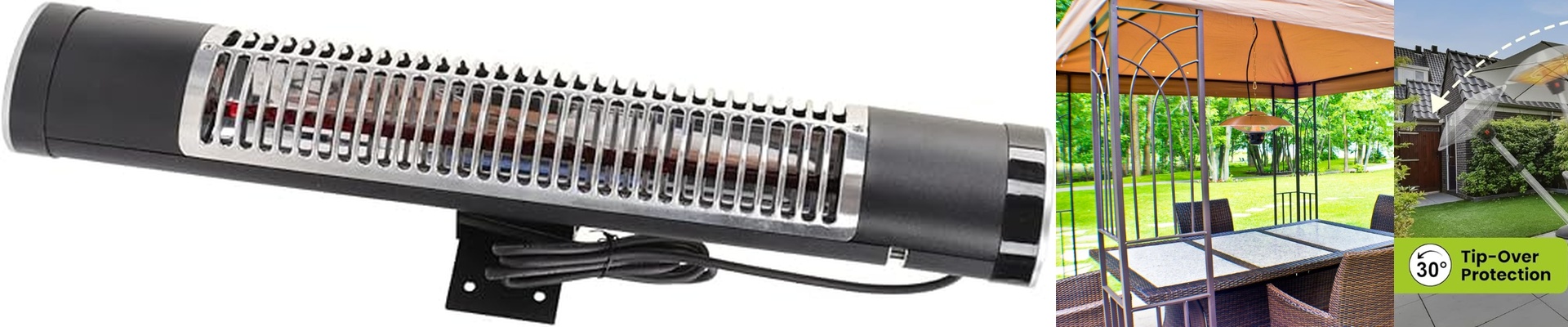
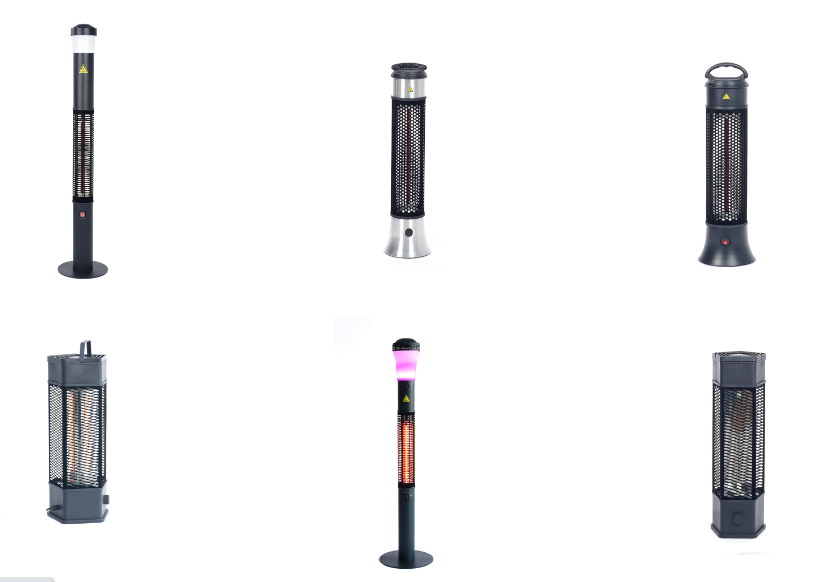
You know that feeling when you step onto a patio and the heat just… lands on you? Like it knows you’re there? That’s what these carbon fiber heaters are all about. They use shortwave infrared, which is a fancy way of saying the heat cuts straight through the air. It doesn’t waste time warming up empty space. Instead, it zeroes in on solid things—people, chairs, tables—and delivers the warmth right where it matters. And because it’s not fighting with the air, you don’t get that dry, parched feeling you get with forced-air heaters. The humidity just stays put. Nice, right?
Power, Packed into a Small Space
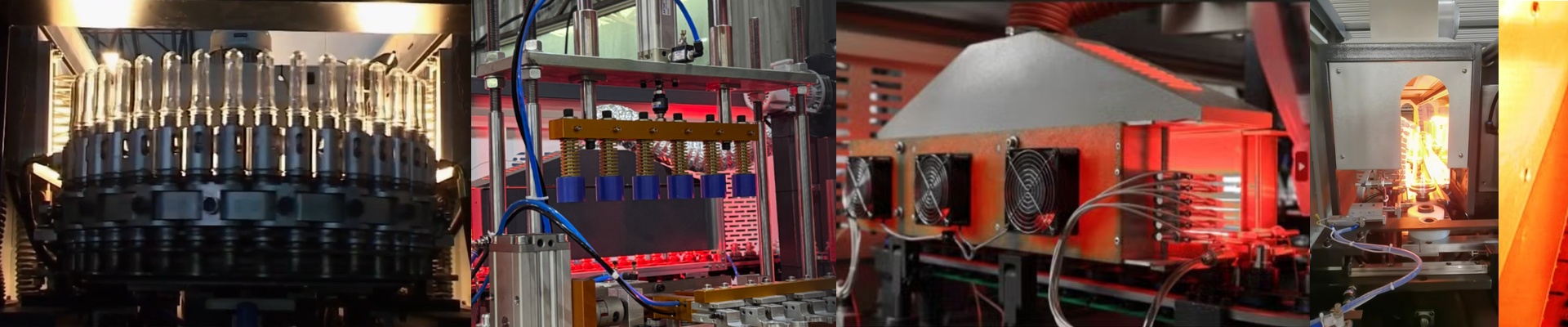
These things are seriously quick. We built them to punch hard without taking up room. A single unit runs at 2500W, and you can hook it up to either a 230V or 400V circuit, depending on what your place is wired for. The carbon fiber element fires up in seconds. No waiting around. That matters when you’re outside or in a semi-open area where the heat is always slipping away.
The Secret Sauce Under the Hood
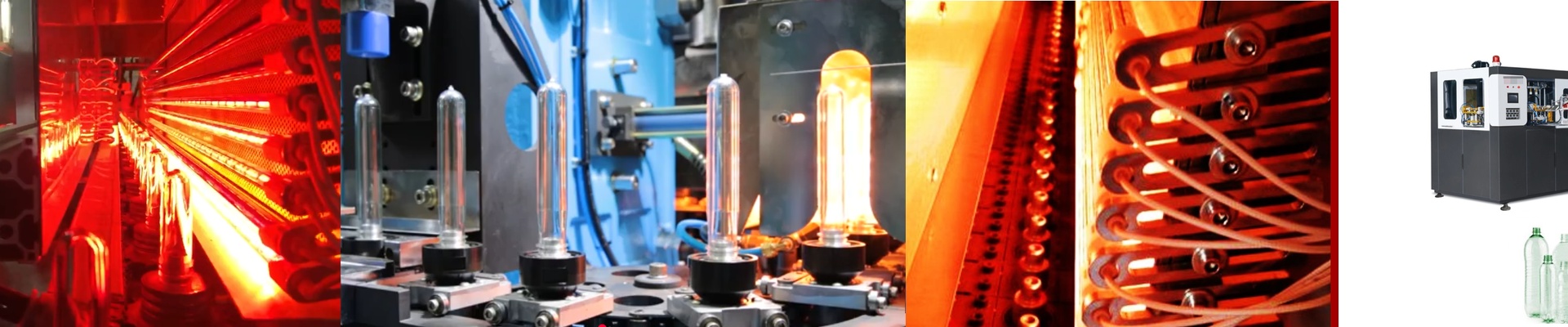
At the core is the carbon fiber heating element, tucked inside a quartz tube. Quartz is perfect here—it can handle serious heat and stays crystal clear, so all that infrared energy gets out unimpeded. And the element itself? It’s built to last. It doesn’t throw in the towel just because you turn it on and off a lot. The R7s connector keeps everything locked in tight. It’s rated for high temps, easy to wire, and it doesn’t loosen up as things heat up and cool down. That means no hot spots, no surprise failures. That carbon fiber coating isn’t just for show, either. It spreads the heat evenly across the tube, so you don’t get uneven hot and cold spots. It just keeps things running smooth, even at that high 2500W output, day after day.
Where They Shine—and What to Keep in Mind
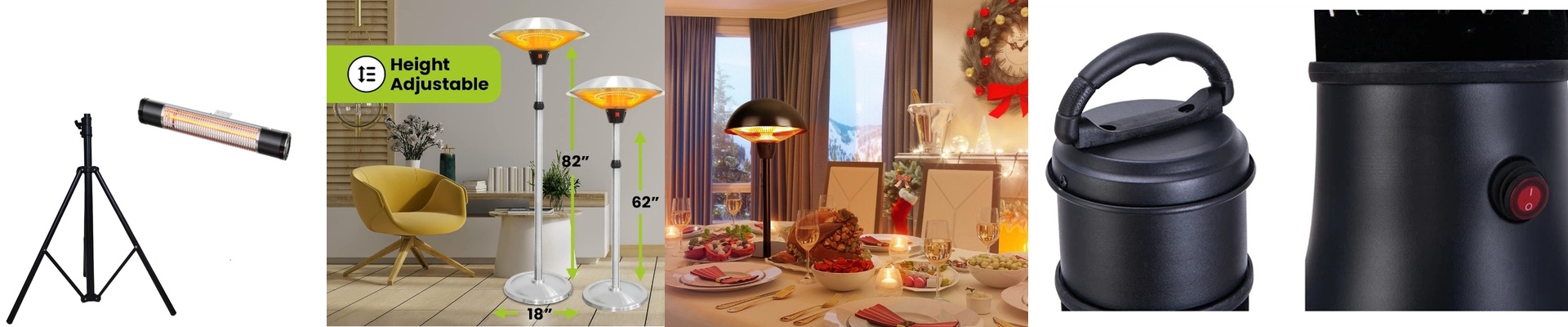
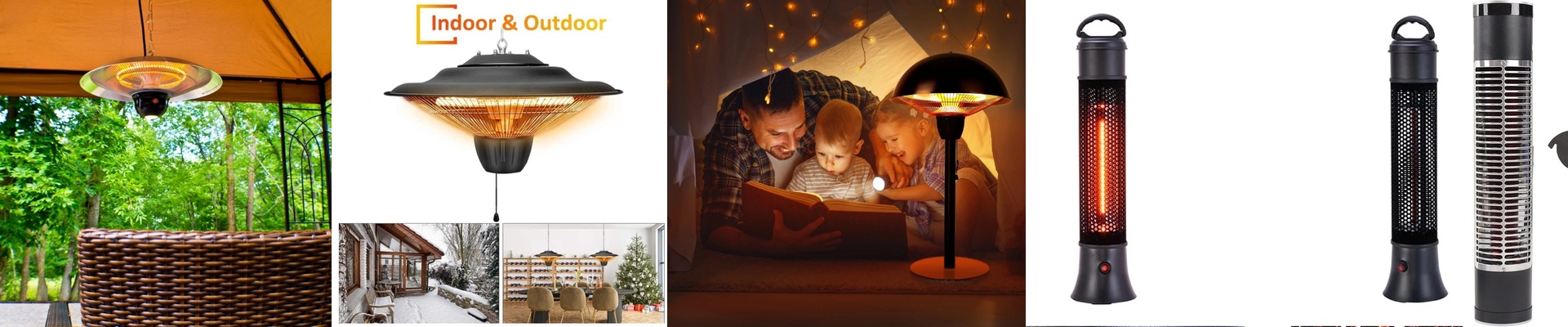
These heaters were born for outdoors and semi-enclosed spots. Think patios, workshops, loading docks. They warm what you can touch, not the air around it. So you stay comfortable without that dry, static-y feeling. Installation is a breeze, thanks to that R7s base. Swapping out an old one for a new one takes no time. But here’s the thing—2500W is a serious draw. On a 230V line, you’re pulling over 10 amps. So you’ve got to make sure your wiring and breaker are up to the job. And because the heat is so direct, you need line-of-sight. If you’re in the line of fire, you’re golden. If you’re standing in the shadow? Well, that spot stays cold. So the trade-off is this: you get fast, targeted heat that doesn’t dry you out, but you do need to plan for the electrical side and think about where you point it.
Quick Look at the Basics
- **The heart of it:**Carbon fiber element inside a quartz tube
- **Power:**2500W
- **Voltage:**230V or 400V
- **Connection:**R7s connector
- **How it heats:**Shortwave infrared
- **How fast:**Ready to go in seconds