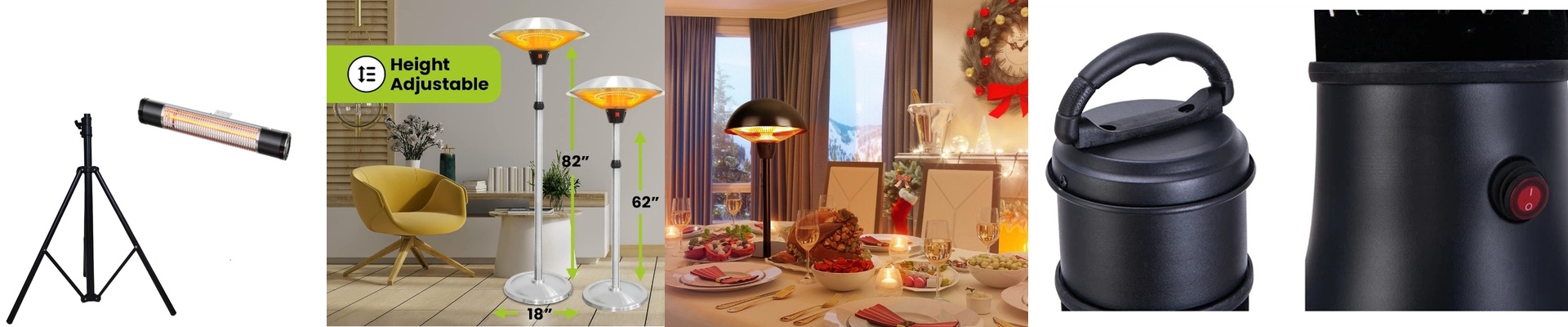
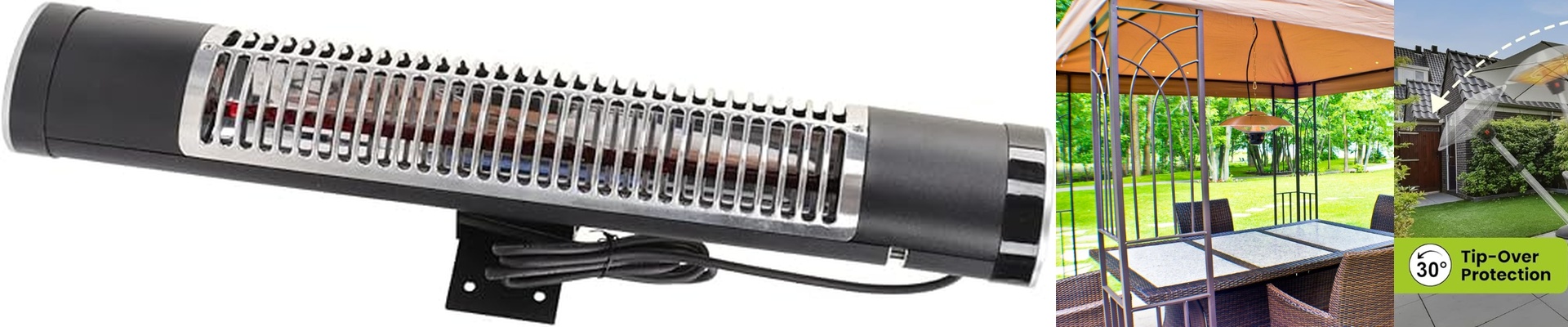
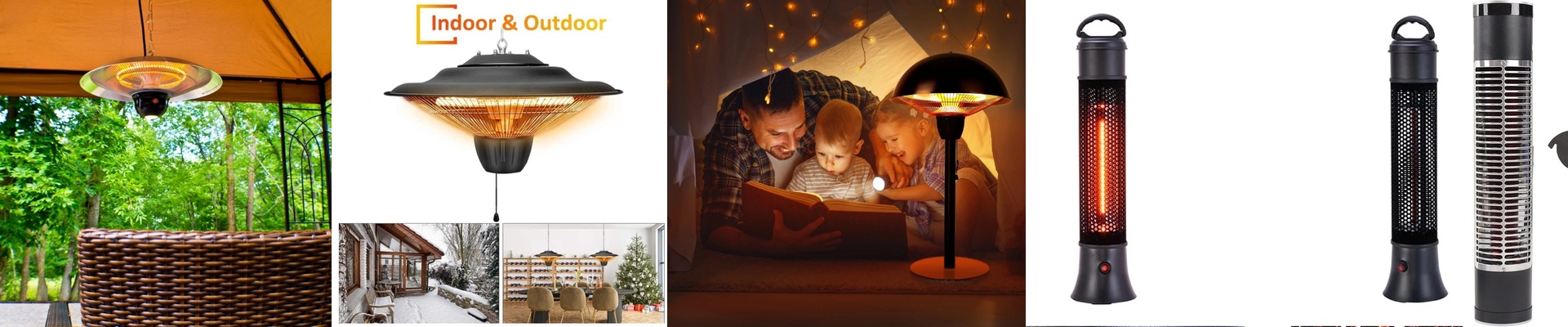
The rush hits early. You pull trays of fresh rolls off the deck oven, the stone hearth still humming, and then the line stalls. Orders stack up, and the bread starts to dry out. In that moment, a heat lamp that holds product at the right temp—without turning the crust into cardboard—isn’t a luxury. It’s the difference between getting by and putting out what you actually intended. We built our Amazon best seller heat lamp for exactly that moment. It’s engineered for commercial kitchens where holding heat is part of the workflow, not an afterthought.
What matters under the hood
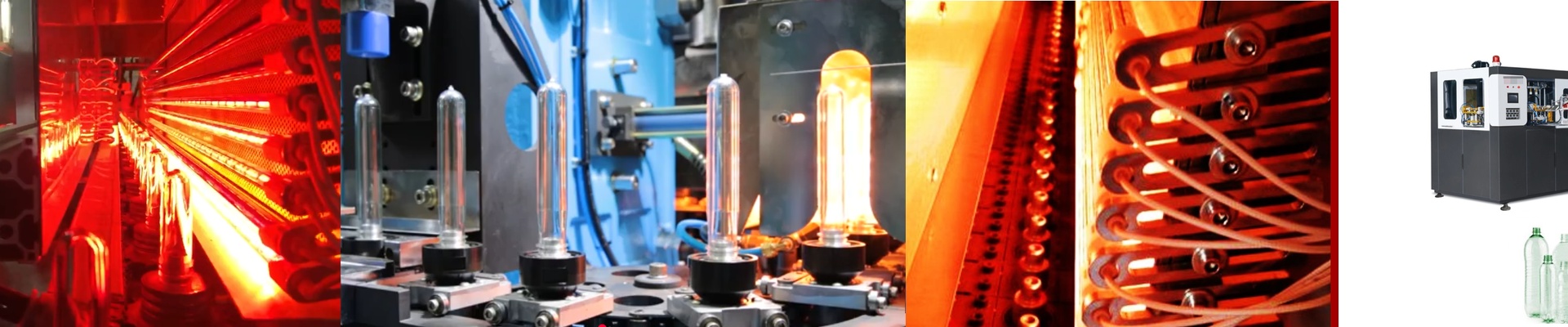
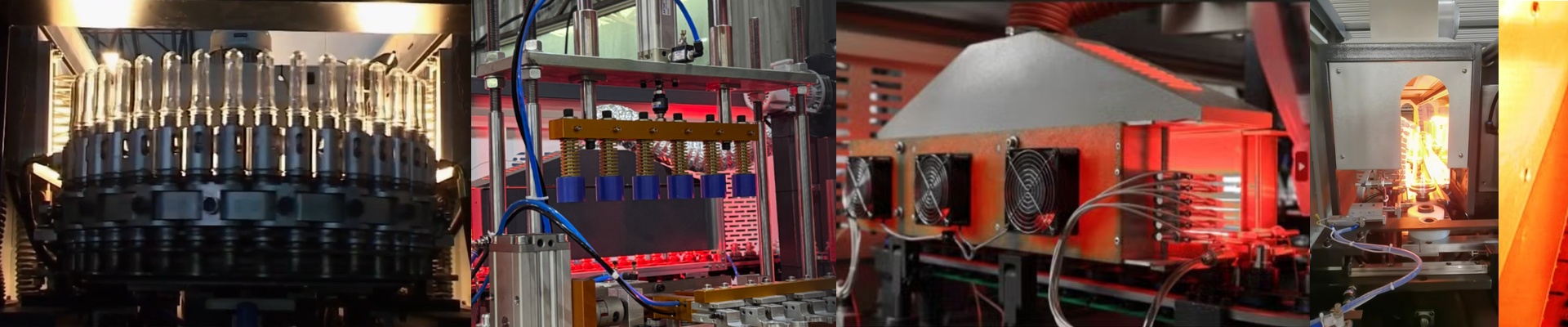
This unit runs on quartz infrared emitters. Infrared hits the product surface directly, instead of leaning on hot air alone. That means faster recovery when a tray goes under the lamp, and a more consistent surface temperature across the whole holding area.
- **Emitter type:**Quartz infrared tubes—quick heat-up, stable output.
- **Power range:**1500W to 3000W, so you can match wattage to your holding volume and space.
- **Voltage options:**120V and 240V configurations, sized for common kitchen power drops.
- **Mounting:**Adjustable bracket and chain, so you can raise or lower the lamp to dial in intensity without moving the whole setup.
- **Controls:**On/off switch plus an adjustable thermostat, so you set a holding window instead of eyeballing it.
- **Beam pattern:**A focused reflector design that puts heat where you need it—on the food, not the ceiling or walls. Quartz infrared matters because it targets surface temperature. In practice, you can hold crusty bread and pizza slices without the top going brittle while the inside stays warm. The heat lands on the exterior, keeping texture intact and color stable.
Why this works in a real kitchen
Holding is where quality often falls apart. Convection heat dries crusts. Underpowered lamps create cold spots, and the front of the line starts looking tired before the back of the house is ready. This lamp changes the physics of holding. Infrared keeps the exterior warm while interior moisture stays put. You get:
- **Even warmth across the tray.**No more hot/cold stripes.
- **Crust that stays crisp.**The surface stays alive, with the right bite.
- **Color that holds steady.**Surface temperature stays consistent, so the caramelization you earned in the oven doesn’t fade into gray.
- **Faster pass recovery.**When a rush hits, the lamp brings product back to holding temp quickly, so the line keeps moving. This shines in a hybrid workflow—deck oven for bread and pizza, convection for roasting, and a holding station near the pickup window. The lamp keeps front-of-house items at temperature without forcing a reheat, which always costs you texture. Consistency is the quiet payoff. Set the thermostat to your holding window, and the lamp repeats that temperature every time. That repeatability matters when you’re training staff and trying to hold a standard across shifts.
The real-world details you’ll appreciate
Infrared is direct, and that intensity is what gives you better crust and color—but it also means placement matters. Mount the lamp at the right height to avoid over-browning. If you’re holding delicate items like filled pastries, start with the lamp farther away and adjust until the surface stays warm without toughening. Match the wattage to your electrical setup. A 3000W unit needs proper circuit capacity, and in a tight kitchen that usually means planning the placement near a dedicated power drop. Keep the emitter tubes clean and free of grease buildup. Infrared output is strong, but a film of grease on the tubes cuts efficiency and creates uneven heating. Wipe the reflector and tubes during your nightly breakdown, and performance stays steady shift after shift. One more point: this lamp is for holding and warming, not cooking from raw. It keeps food at the right temperature and preserves the texture you earned in the oven. Use it as the final step—after the bake, during the hold, and through the rush—and it will keep your food looking and tasting the way it should.