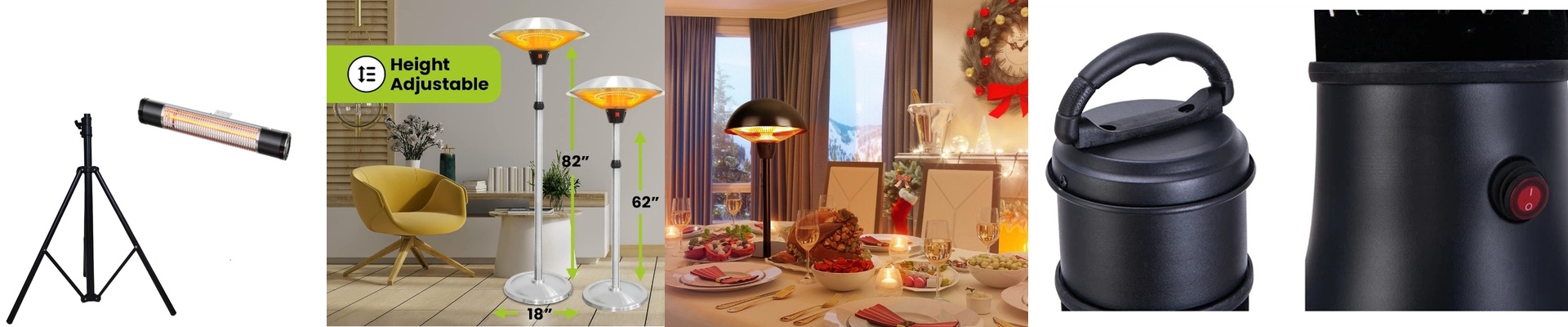
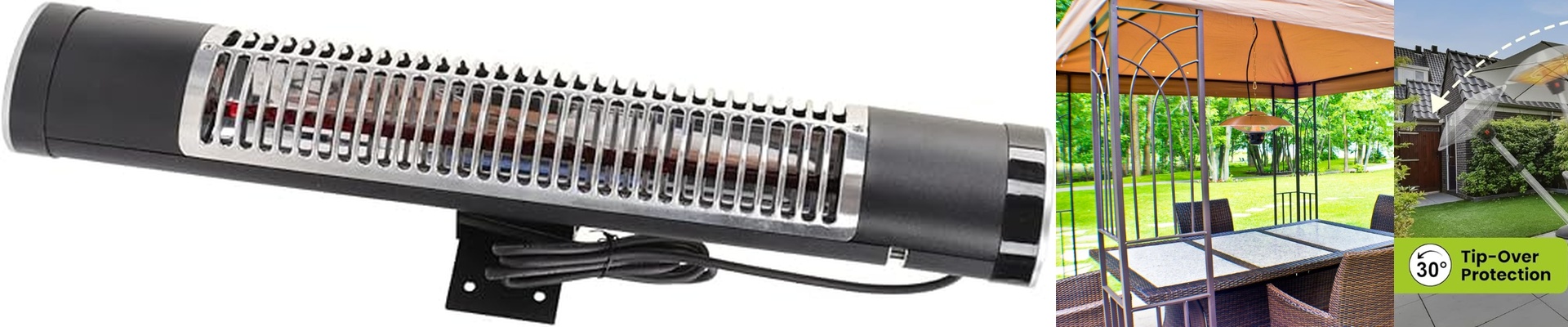
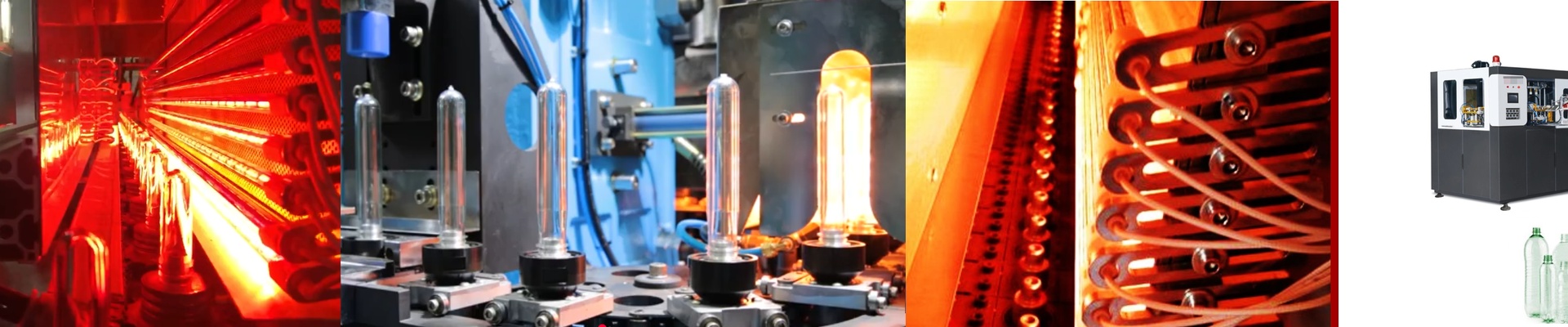
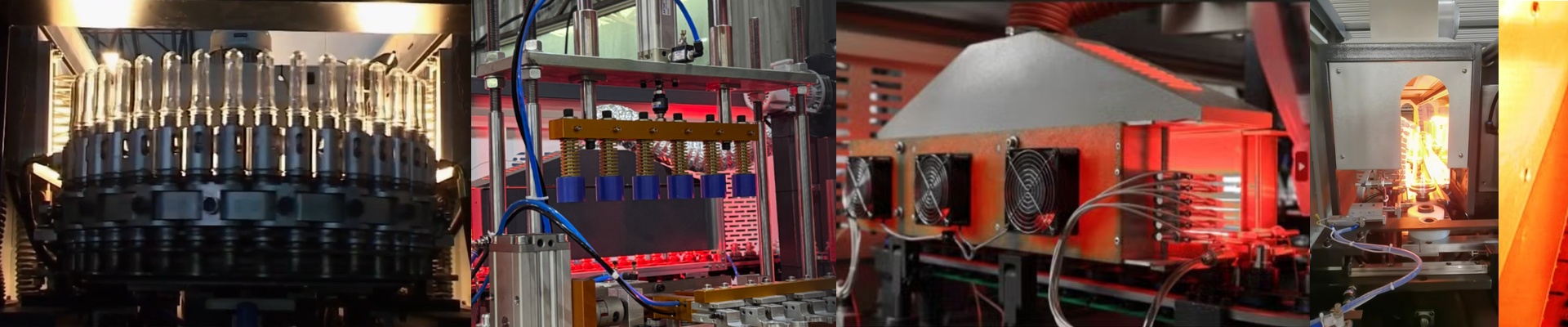
Once your bake schedule is locked and the dough is ready, the heating element in your deck oven has to jump to temperature—fast—and hold it evenly. A worn-out quartz tube drags recovery, throws off the thermal profile, and leaves you with pale crust or uneven color. The right replacement is a quartz tube built specifically for the hard, fast-cycling reality of commercial bread baking. What matters under the hood We spec short-wave quartz halogen elements that hit operating temp in seconds, not minutes. In a typical 12–18 kW setup, the element stabilizes the baking chamber quickly, so the stone hearth or deck recovers right after you load. The payoff is a stable heat field with tight control—±2°C at setpoint. That kind of precision matters because even small swings shift caramelization and oven spring. The quartz envelope handles thermal shock from constant door openings, and the element holds output over 5,000+ hours with minimal drift. Bread doesn’t wait, and neither does your oven. With this replacement, you cut preheat time and keep deck temperature consistent from the front load through the bake. Across the batch, you get more uniform crust color, better control over blistering, and fewer under-baked centers. The fast response also trims energy per bake cycle because the oven spends less time chasing temperature after every door cycle. For bakeries running rotary or deck ovens, that means higher throughput without giving up texture. Here are the practical details. Installation is straightforward, but you have to match voltage, wattage, terminal type, and mounting dimensions to your oven’s spec. Some ovens run hotter at the element surface—check clearances and shielding so you don’t cook nearby insulation and wiring. Use oven-rated connectors and make sure the thermostat response is up to speed; a quick-reacting control pairs best with a fast-reacting quartz element. Expect a short break-in period while the thermal mass settles, then the bake becomes repeatable, shift after shift.