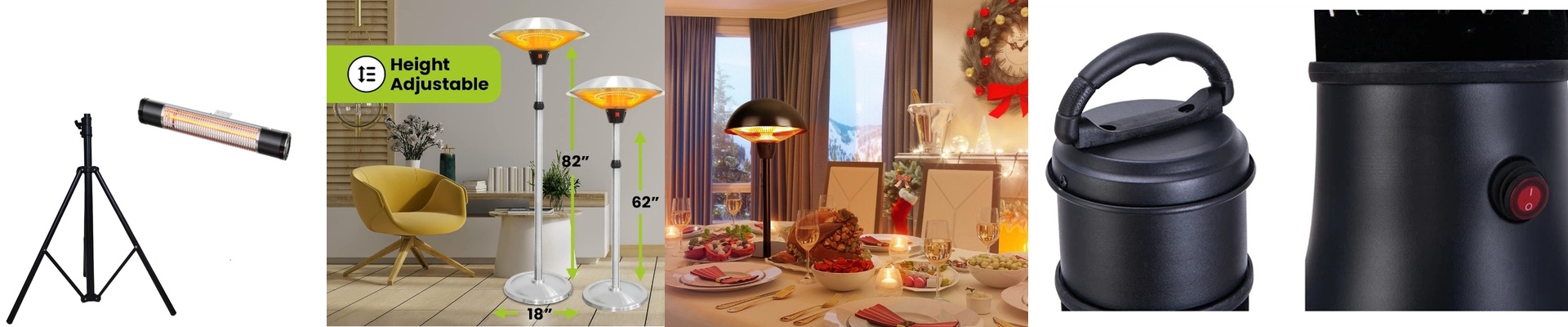
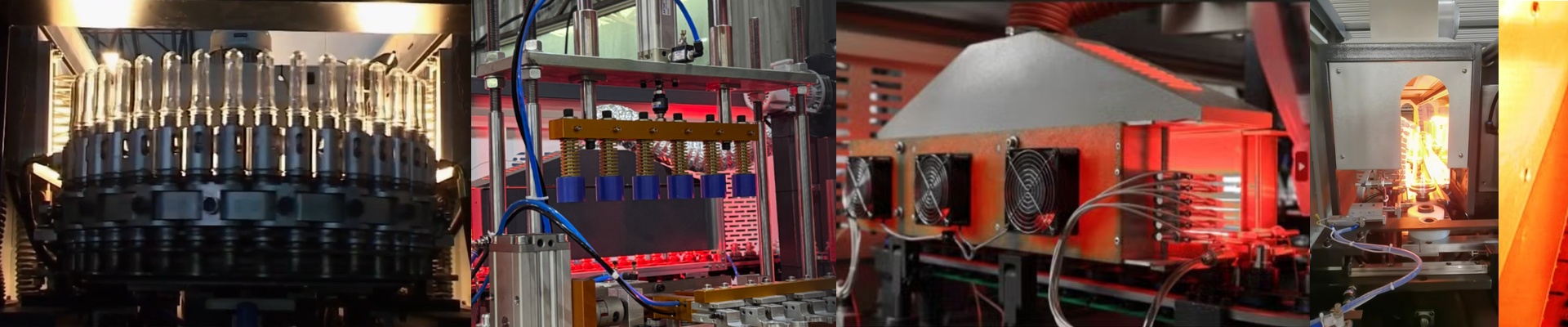
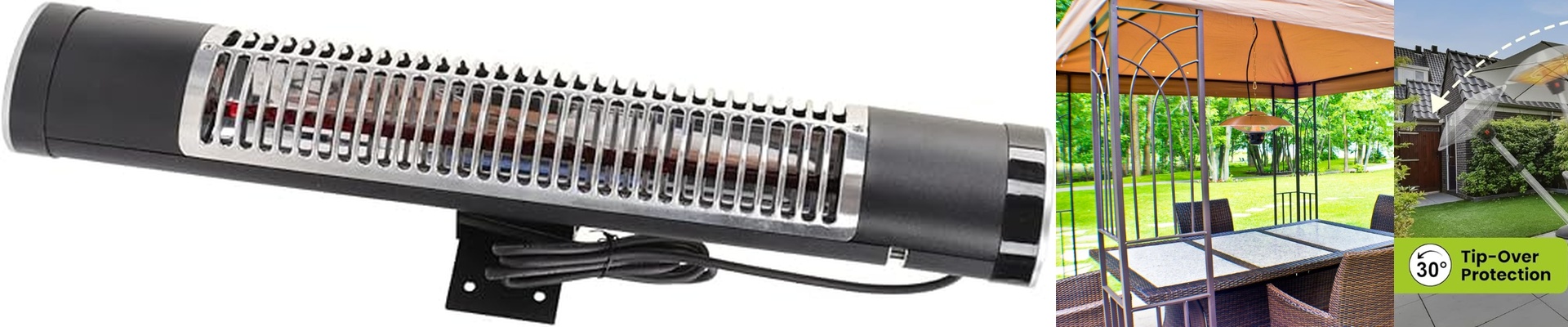

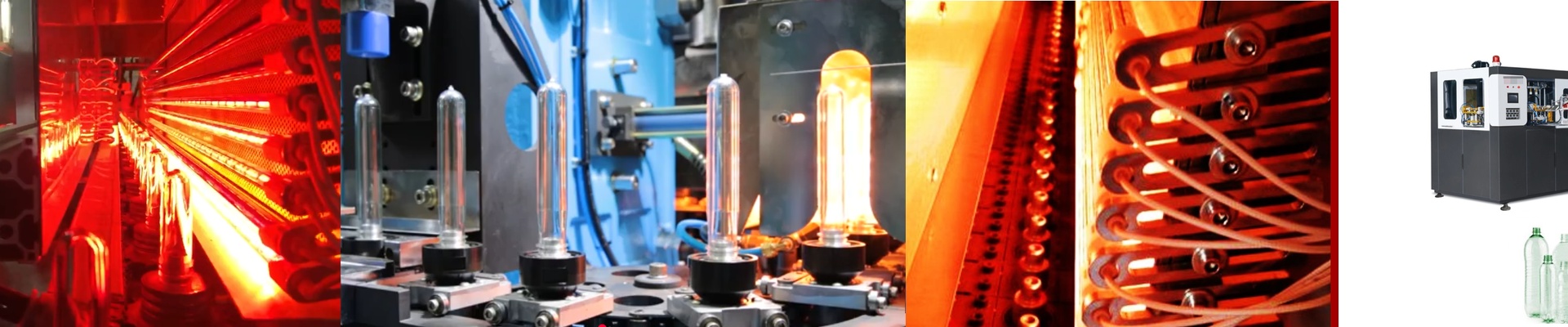
On a busy line, your dough doesn’t wait for the oven to catch up. If the heat climbs slow or drifts across the deck, you’re burning minutes and losing control of the crust. A rotary oven ceramic heater is built for that reality: fast recovery, even temperature across the drum, and results you can count on, bake after bake. What’s actually happening under the hood We run the heater on high-density ceramic elements that put out focused radiant heat. You get a quick heat-up and tight temperature stability, so the baking chamber holds setpoint even when the doors open and trays cycle. The element geometry matches the rotary oven’s geometry, spreading heat evenly around the drum and cutting down hot/cold spots that give you uneven color. In practice, that means fewer under-baked centers and fewer scorched edges. The specs stay straightforward: standard voltages, a compact footprint, and solid terminal connections for dependable field wiring. Why this matters on the line In a rotary oven, speed and consistency are the same thing. Faster heat recovery shortens bake time, so you turn more trays when service hits. Tighter temperature control gives you better crust development—especially for pizza and artisan bread—because the product sees steady radiant energy, not swings. You use less energy per bake cycle, too, since the element comes up fast and the oven holds temperature without constant reheat. For bakeries and pizzerias, that adds up to more throughput, fewer remakes, and a product that repeats. A few shop-floor realities Rotary oven ceramic heaters do their best work when the chamber is clean and airflow isn’t blocked. Heavy grease buildup drives operating temps up and can cut service life short. Installation comes down to matching voltage, phase, and mounting clearances. If your oven runs high humidity for long, steam-heavy bakes, confirm the element’s sealing and insulation are up to it so performance stays steady.