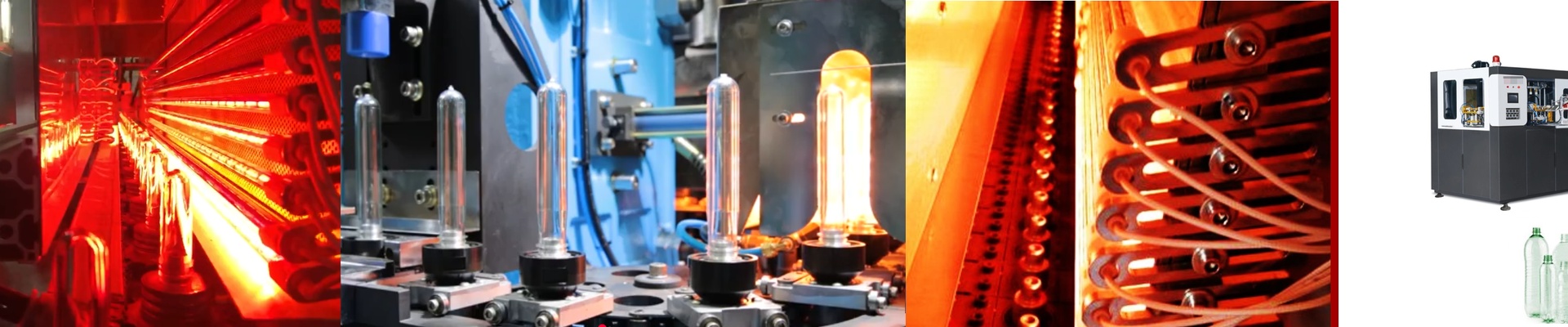
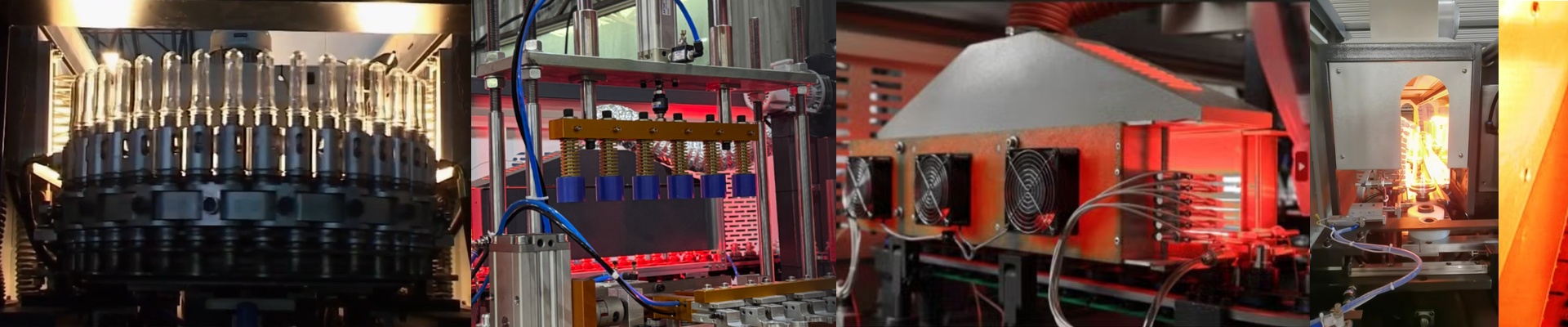
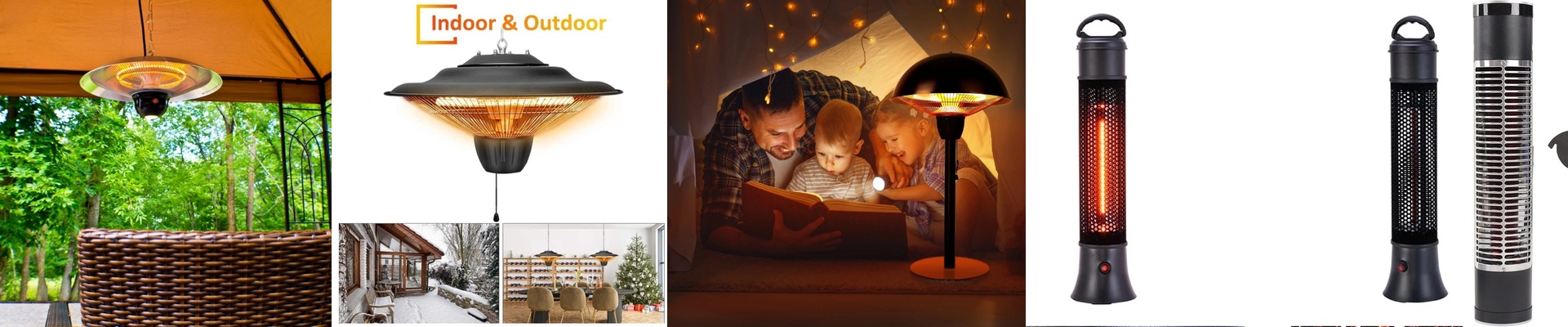
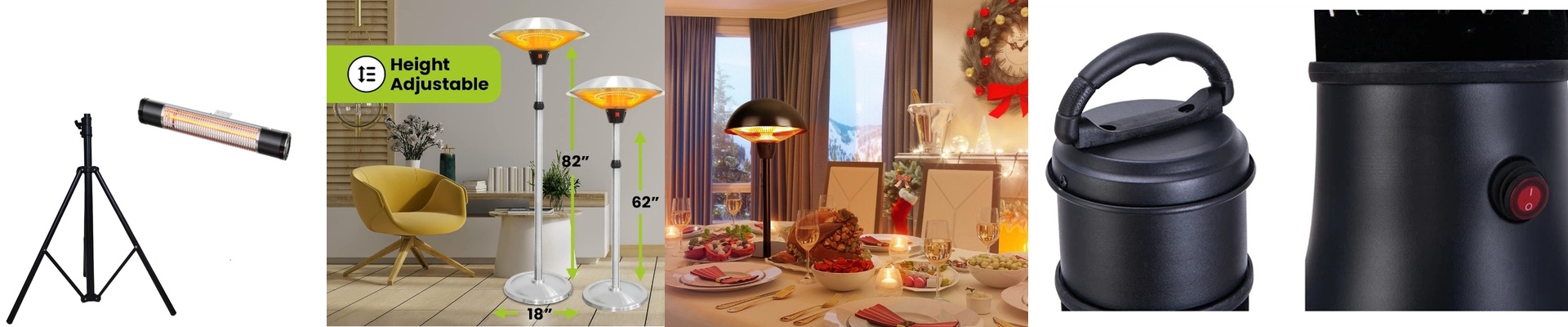
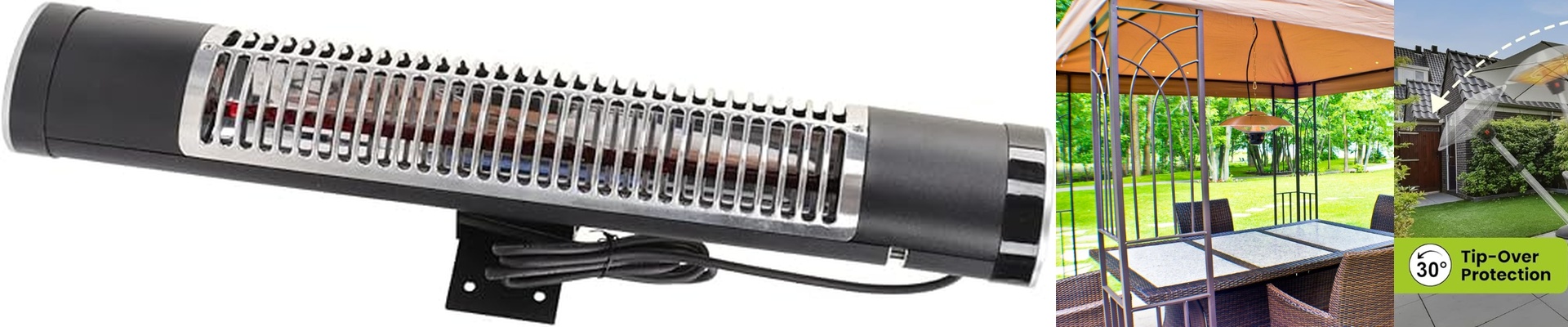

Why This Heater Exists
We got the idea for this infrared heater by actually stepping inside people’s homes—about 2,000 of them, all across Europe. The mission was straightforward: create warmth that hits exactly where you need it, without turning your place into a construction site. So we built a system that sticks to two hard rules: pack in serious heat right where you want it, and keep the size small enough that it doesn’t force you to rethink your space or rewire everything.
Power, Voltage, and Size—Made for Real Life
We didn’t design this thing for some perfect lab setting. We spec’d it for the actual conditions you live with. It runs off a 400V supply, which keeps the current manageable on standard European circuits while still delivering a tight, powerful burst of infrared heat. And the 300mm tube? That length wasn’t chosen by accident. It slips neatly into tight spots—like shoe dryers, compact appliance housings, and small industrial modules—without giving up output. It’s not about throwing more power at the problem. It’s about squeezing the right amount of heat into a space that’s already tight.
Inside the Design: Halogen, Quartz, and a Smart Connector
The heating element is a halogen lamp, sealed inside a quartz tube. The halogen chemistry keeps the filament steady, so the brightness stays consistent over time and the output doesn’t fade. Quartz handles the heat swings beautifully. It takes the rapid on/off cycles in stride, resisting thermal shock when the unit cycles again and again. And the R7s connector? That’s a deliberate choice. It locks the tube in at both ends, making replacement simple and keeping the tube aligned so the heat spreads evenly. In most cases, it’s a straight swap into existing fixtures.
Where It Shines—and What to Keep in Mind
This setup is perfect for shoe dryers and other compact appliances that need fast, focused warmth. The footprint is small, the heat is directional, and the install is simple: wire it up, align the tube, and close the housing. Just know this: because the infrared output is concentrated, the housing and any nearby plastic parts need to be heat-rated and properly ventilated. Plan your airflow and material choices from the start, or the system can run hotter than you expect.