Introduction
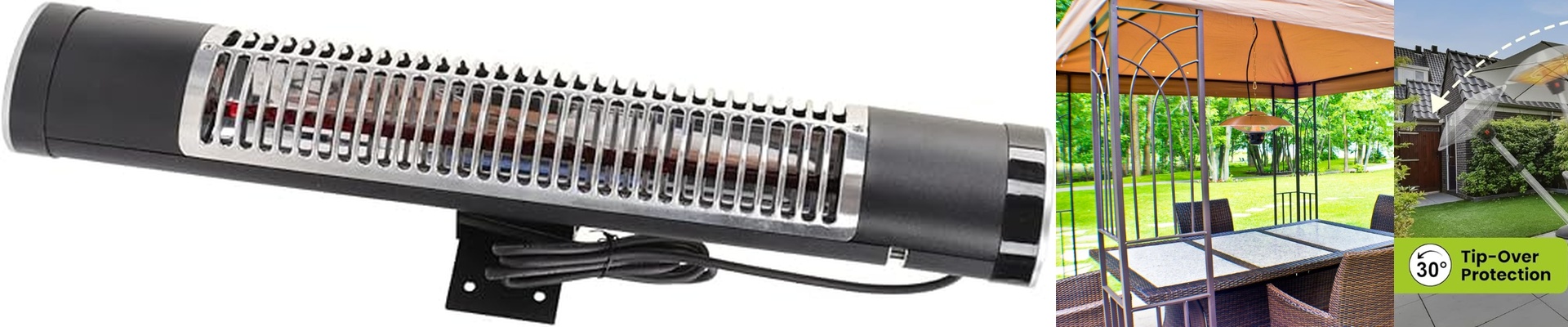
When we build infrared shoe dryer heaters, we’re aiming for one thing: compact, intense heat that keeps working, day after day. The real challenge isn’t the heating element itself. It’s that tiny spot where the lead wires meet the heater—where heat, vibration, and moisture all collide. That’s where things can go sideways if you’re not careful.
The nitty-gritty: Power, voltage, and space
These heaters pack a lot of heat into a small footprint. They usually run on 220–240V or 400V, pushing high current through a short wire. And the space is tight—think a 300mm tube with almost no room for heat to spread out. All that current in such a small space? It makes the wires hot. Fast. If the insulation and seal can’t handle the heat, you start to see problems. Resistance climbs, the insulation breaks down, and suddenly you’re staring down the barrel of a short circuit.
Why the lead-wire seal really matters
Here’s the thing: standard seals just can’t keep up with the constant heating and cooling. They crack. They fail. That’s why we use OEM-grade sealing. We build it with high-temperature ceramic or mica-based insulators, paired with a compression gland and a high-dielectric fill. It locks the wire connection in place—both mechanically and electrically. This setup keeps moisture out, stops flux from migrating, and absorbs the flexing and strain. The payoff? A stable connection that stays below the critical temperature where insulation starts to fall apart.
What this looks like on the factory floor
On a shoe dryer line, the heater is constantly cycling on and off. Without proper sealing, you’ll see the insulation harden, start to track, and eventually burn out right where the wire enters. With OEM-grade sealing, the heater handles the heat, shrugs off humidity, and takes the vibration from conveyors without blinking. Now, there’s a trade-off. The sealed assembly is bulkier than a basic grommet, so you need to plan for the extra space in your design. But if you set aside the right footprint, you get a heater that just gets wired once—and then runs reliably shift after shift.
The takeaway
If you need an infrared shoe dryer heater that won’t fail at the wire seal, plan for OEM-grade sealing from the very beginning. It’s not an add-on. It’s the foundation for surviving high heat, aging, and preventing shorts.