The Physics of Warmth—Without the Waste
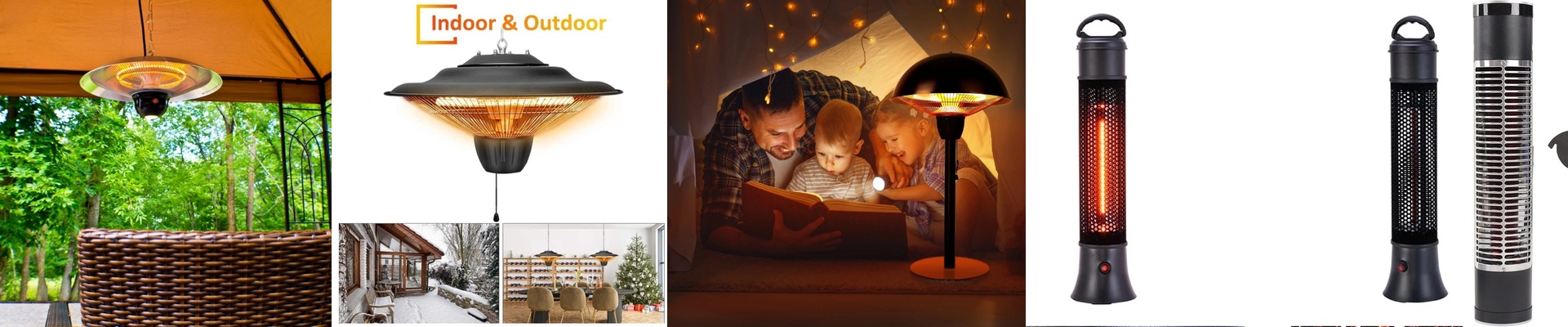
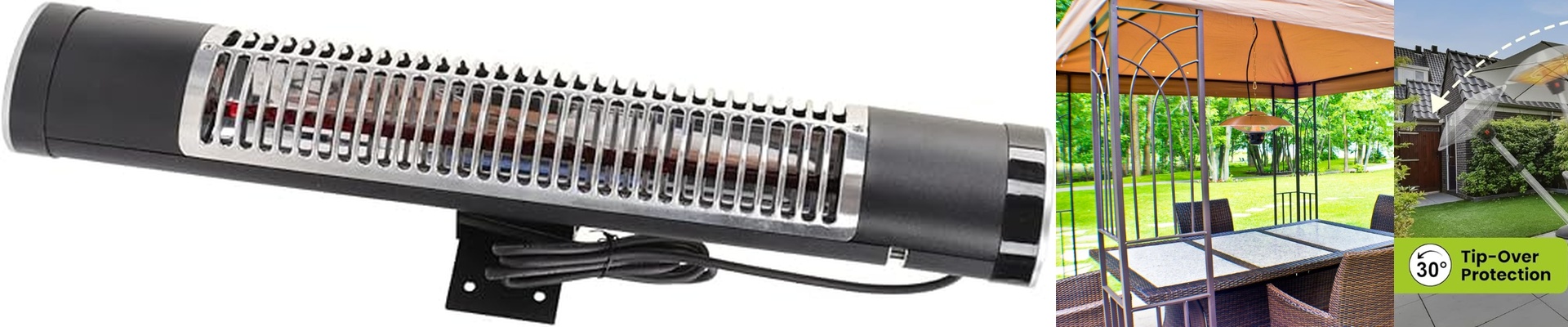
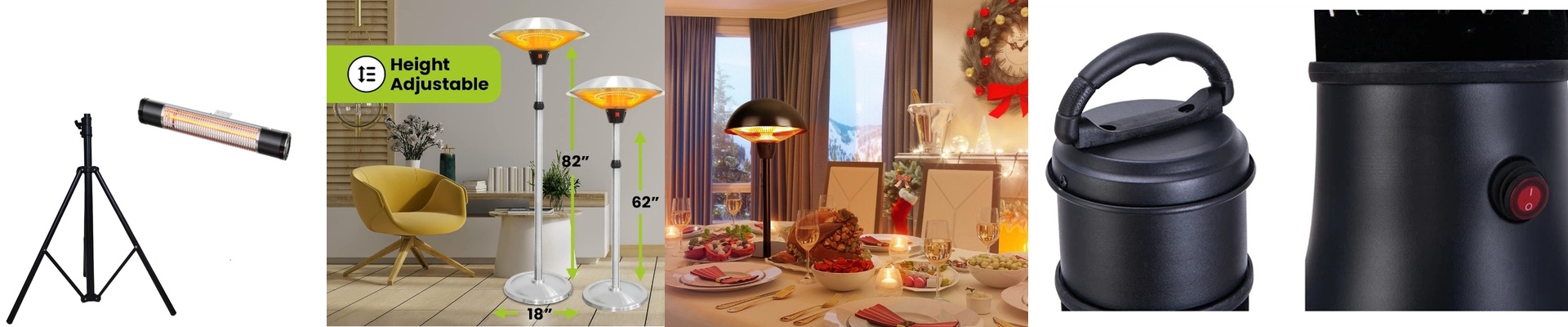
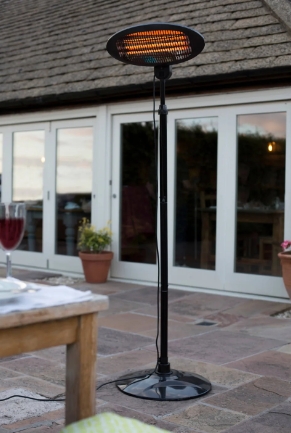
You know how those old electric oil-filled radiators work, right? They warm up the air, and the air slowly circulates. The problem? That heat gets lost before it ever reaches the people who need it. We took a different approach. Our heavy-duty infrared heaters go straight to the source—like the sun warming your face on a cold day. No wasted energy heating empty space. Just direct, targeted warmth that hits the people and objects that need it most. The result? You feel the heat faster, and you feel it more intensely—even at the same wattage. No more waiting around for the room to slowly warm up. The heat lands where you need it, when you need it.
The Build: Built for the Grind
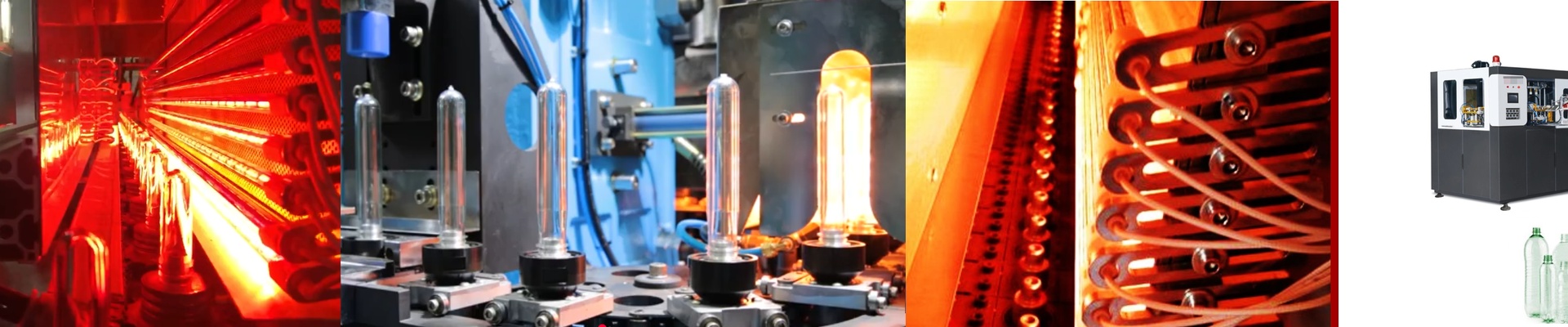
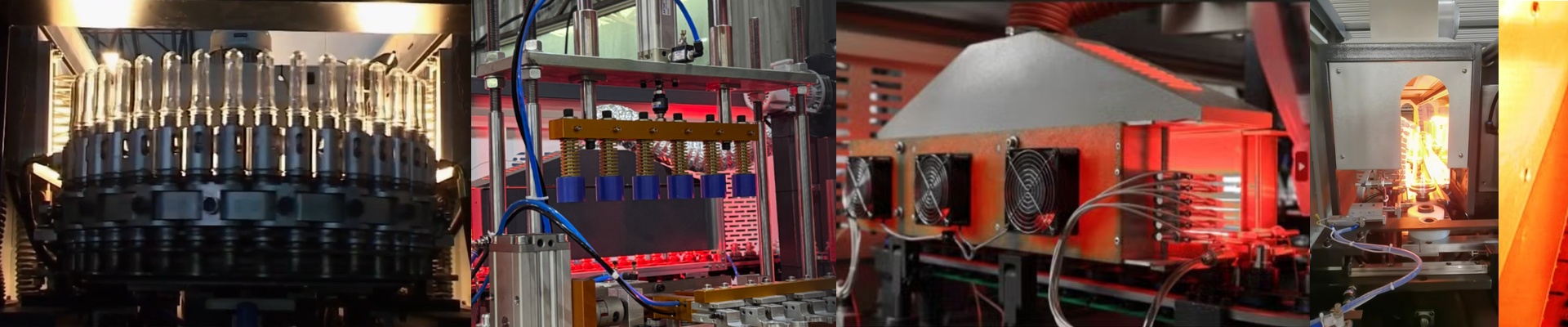
Inside, we use a halogen-filled quartz tube to generate that infrared warmth. Why? Because it heats up almost instantly—no long, agonizing warm-up time like those oil-filled units. The quartz is tough, too—handles sudden temperature shifts without breaking a sweat, and keeps delivering steady heat year after year. And this thing is made for real-world work. The internal filament can take high heat, and the whole system is built to survive the daily bumps and vibrations of a busy shop floor. Even the connectors are designed to stay tight and secure, no matter how much machinery is humming around.
The Payoff: Warmth That Saves You Money
Here’s the best part—you get the same comfort level while running the air temperature lower. In most cases, you can drop the thermostat by 3–5°C and still feel just as warm. That means lower energy bills. Infrared heat is directional, so it warms what it hits, while the surrounding air stays cooler. Perfect for spot heating in workshops, loading bays, or production lines. If you’re heating a whole room, it still beats oil-filled heaters, but you’ll want to keep air moving to avoid cold spots. So you get fast heat, lower running costs, and a system that keeps going—day after day.
Real Savings, Not Just on Paper
Compared to a traditional oil-filled heater, our infrared units typically save 20–30% on energy while delivering the same perceived warmth. This isn’t some lab number—it’s because you’re not wasting energy heating air that just floats away. Over time, those savings add up. Lower electricity use, fewer peak demand charges, and your people stay comfortable. That’s the kind of efficiency you can feel—and see on your energy bill.