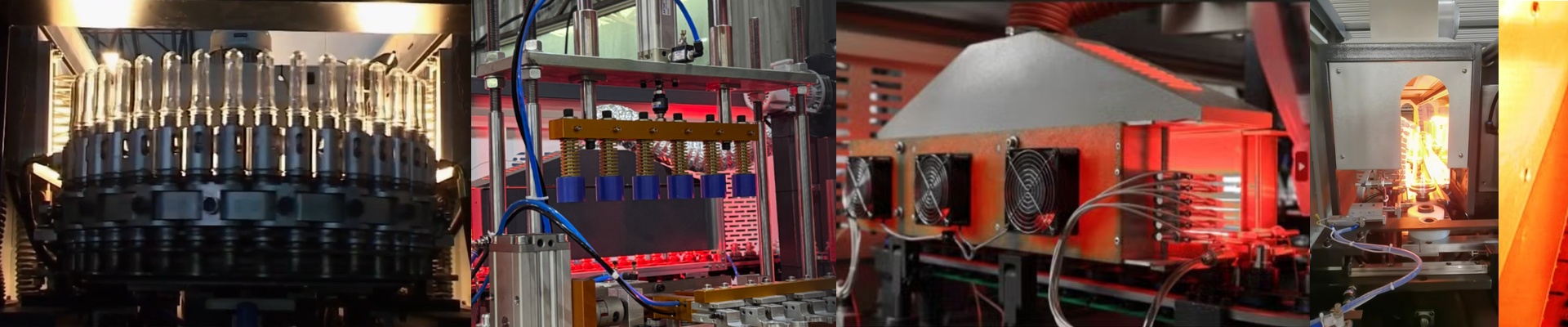
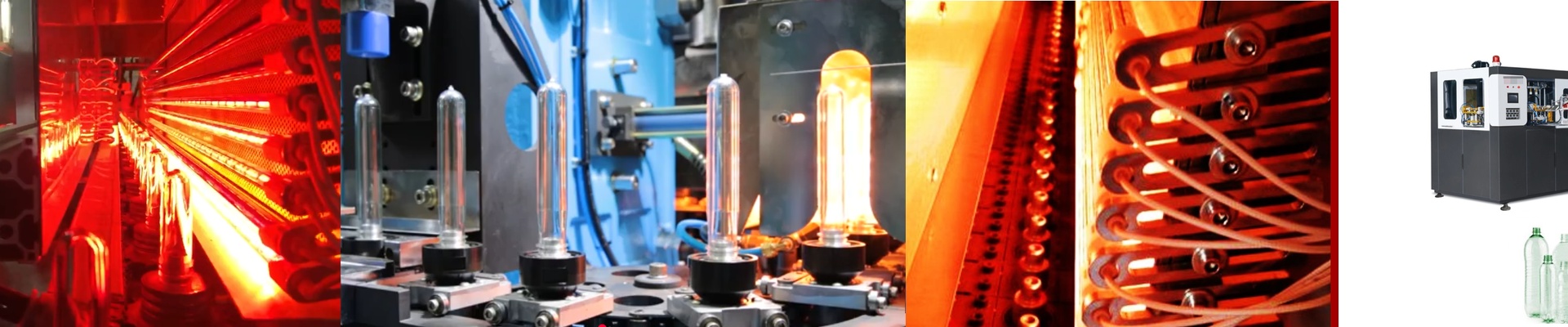
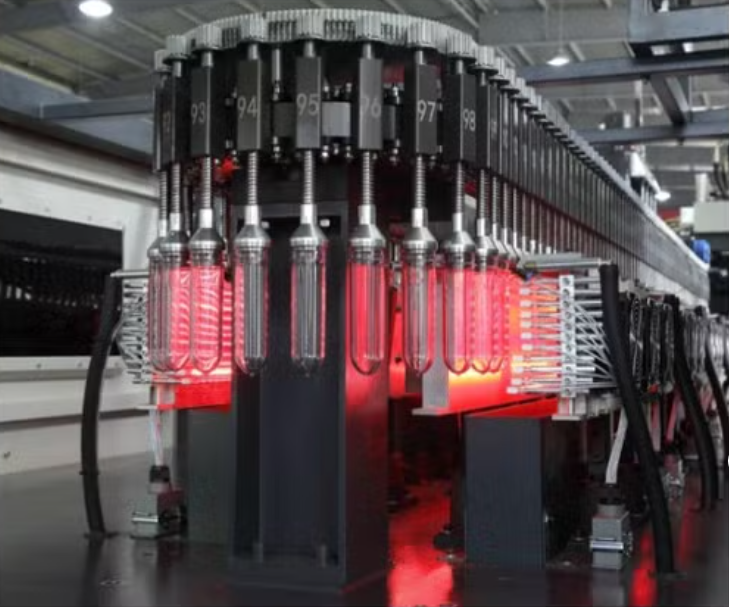
You know the moment—your Krones blow molder starts to wander on preform temperature, and you feel it immediately. Wall thickness goes all over the place, bottles blow out, and the heating tunnel is working overtime just to keep up. More often than not, the machine isn’t the problem. It’s the heater lamps. A tired lamp doesn’t just get dim. It throws the whole heating curve off, and you pay for it in scrap and restarts.
What actually matters under the hood
Krones heating sections depend on infrared emitters that have to match the OEM’s watt density, response time, and mounting geometry. We make direct-fit lamps to the exact halogen or short-wave profile, with quartz tubes chosen for thermal shock resistance and stable output through repeated on/off cycles. Every detail is specced to the machine: correct voltage, precise length, and the right R7s (or equivalent) connector interface so the lamp sits square in the reflector. The point is repeatable radiant heat—enough consistency that the preform surface hits the right temperature without overheating the neck or starving the body.
Why this matters on the line
On the blow molding line, heating stability is uptime. Matched lamps keep the heating tunnel balanced, so you see fewer temperature swings between cavities and from shift to shift. That means fewer rejects, cycle speeds that hold steady, and less strain on the temperature control system. And we back the supply chain with OEM-aligned material choices and inspection steps—because a plant can’t afford to wait days for a critical lamp.
The practical details you’ll thank yourself for later
Installation is straightforward, but alignment is everything. Even a small gap or a lamp that isn’t seated right changes the spot pattern on the preform and can create hot and cold bands. Handle the quartz by the metal base, not the glass. And remember, infrared lamps age—output drifts over time.**Replace by running hours, not by failure.**Keep spares on hand, and you keep the line running instead of chasing symptoms.