
When the rush hits, the oven can’t be the bottleneck. A lagging heating element stretches out cycle times, leaves plates damp, and makes the front of house wait. That drag burns labor, wastes energy, and starts to hurt consistency—fast.
What matters under the hood
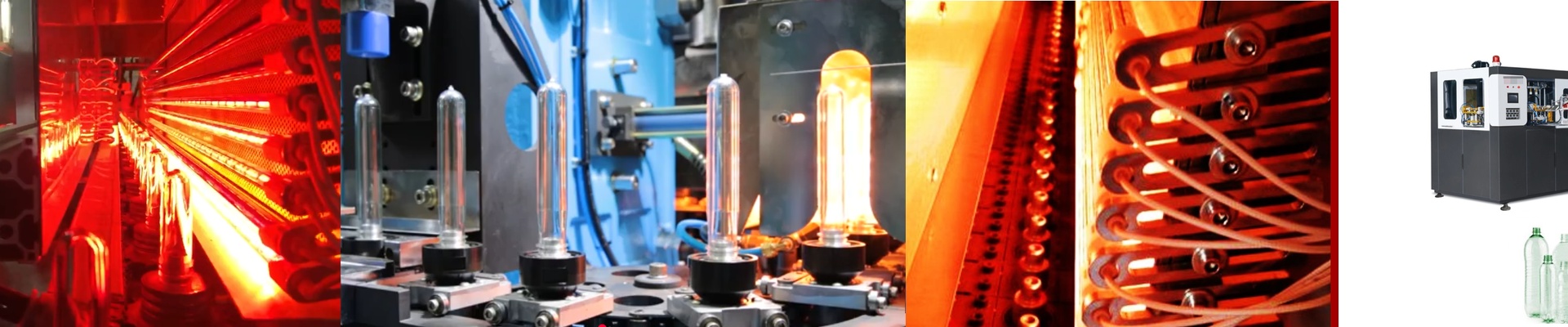
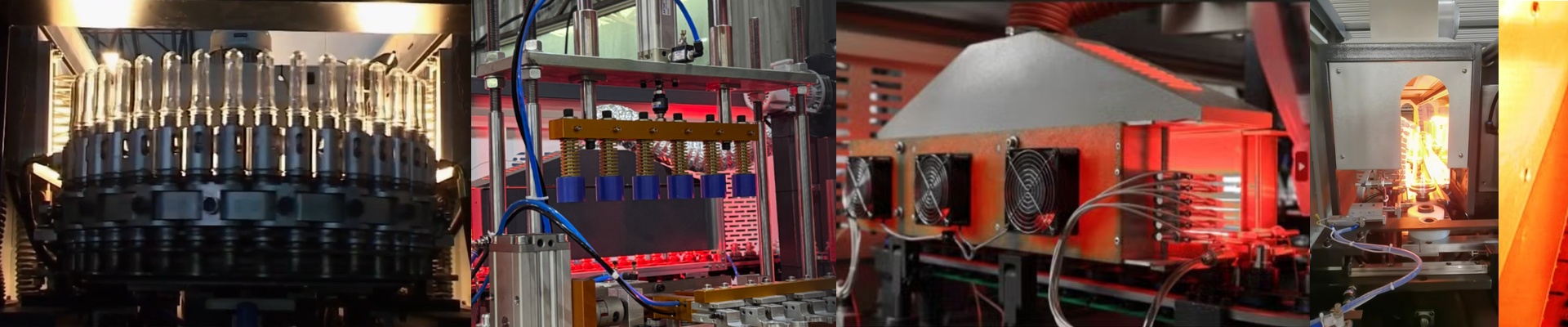
We built these thermal elements for the realities of deck ovens, rotary ovens, and convection units—where drying plates is part of the workflow, not an afterthought. The core is a dense, high-wattage resistor matched to 208–240V circuits, so recovery is quick after door swings and plate loads. Precision tolerances and even element spacing keep heat distribution steady across the baking chamber, so you get uniform drying without hot streaks or cold spots. The terminal block is stout, the leads are shielded, and the whole package is sized to drop into standard oven cavities without tearing out the interior.
What you actually gain on the line
You get speed and repeatability—those are the payoffs you feel during service. Faster heat-up shortens plate-drying cycles, so plates come out dry and warm, ready to go. That quicker turn increases throughput in the peak without stacking ovens. Consistent temperature control means better quality: no damp edges, no uneven glaze, and less second-guessing on the pass. Energy use drops because the element snaps back to setpoint and holds it, without long recovery burns. Fewer temperature swings also mean fewer failed loads, less rework, and less wasted electricity.
The install and service notes
Install is straightforward, but match voltage and wattage to the oven’s rated spec, and confirm clearance around the element and airflow paths. Expect higher surface temperatures during operation—keep guards in place and let things cool properly before you service anything. In high-moisture areas, keep terminal connections out of steam exposure so performance stays solid over time.