Introduction
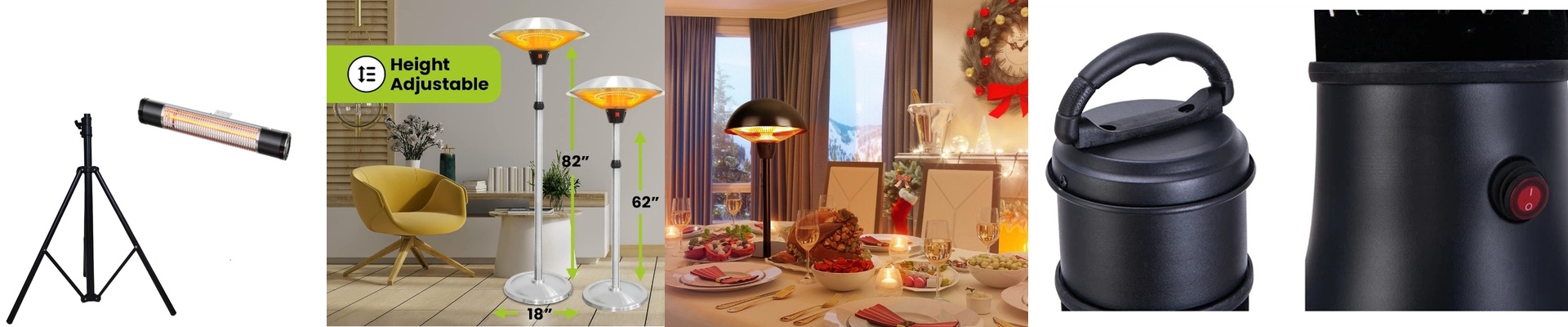
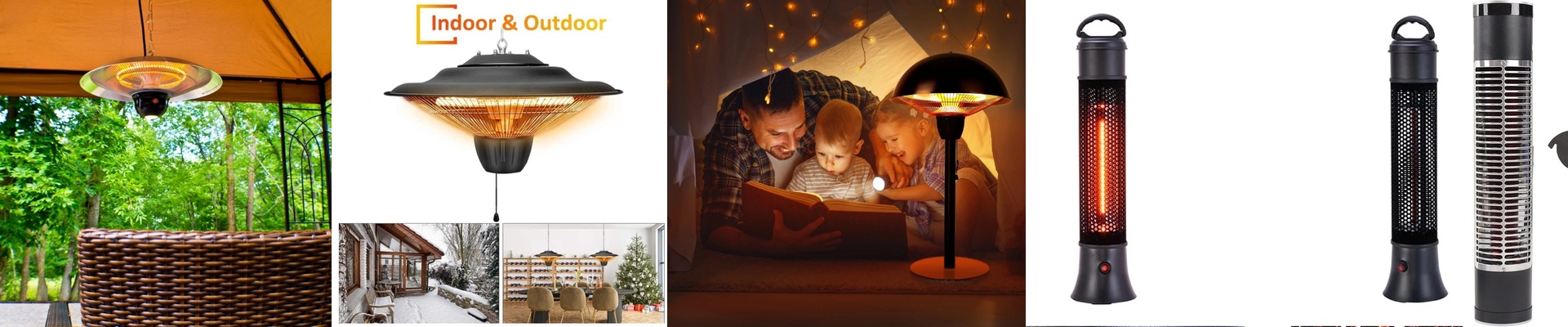
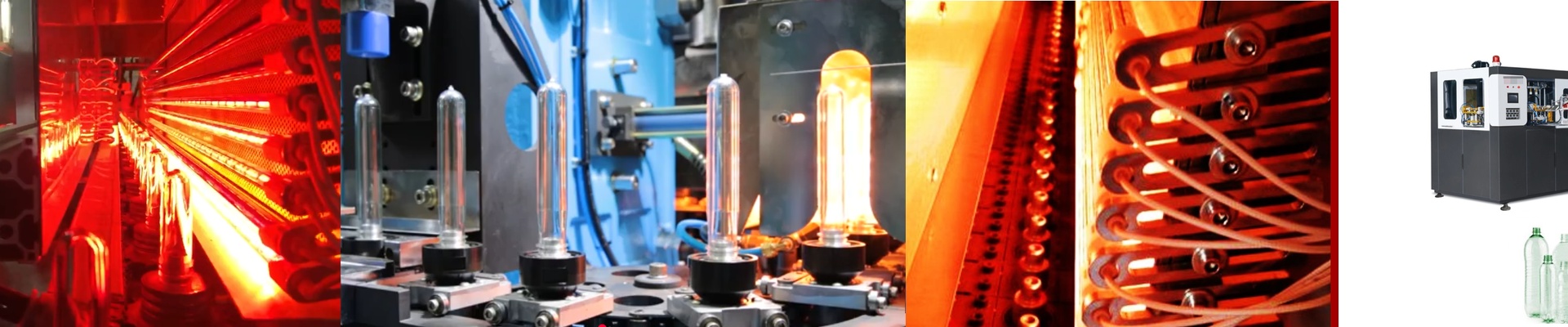
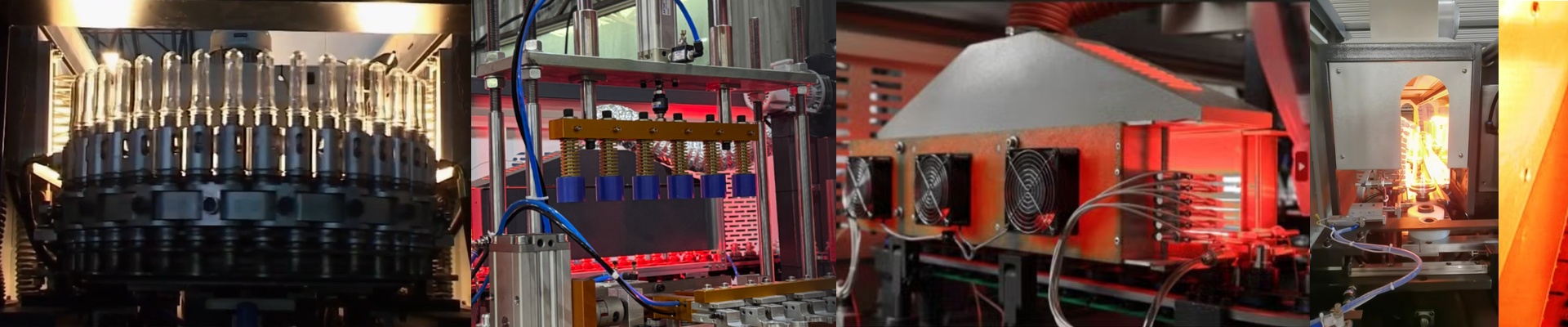
We build industrial infrared heaters for the messy places—where water, dust, and serious heat are part of the daily grind. That IPX4 splash-proof rating? It’s not for show. It’s a must when you’re dealing with washdown areas and floors that never seem to dry out. And here’s the part most people miss: the heater doesn’t usually fail at the glass. It fails where the wire comes out. If the seal around the lead wire can’t take sustained high heat, the joint gives up—and the whole unit goes with it.
Power, Voltage, and Geometry—Why It All Matters
Infrared heaters deliver heat by radiation, not by blowing hot air around. So the shape and position have to match what you’re heating—distance and spot size included. We match wattage to voltage to give you heat density you can count on. Go high voltage for the same wattage, and you get lower current. That means smaller conductors and less voltage drop over longer cable runs. In the real world, that matters. Undersized wiring and long runs can quietly steal performance. You can spec the heater for a specific process temperature, but if the voltage at the feed sags, the filament runs cooler—and output drops.
Materials and Design: The Inside Story
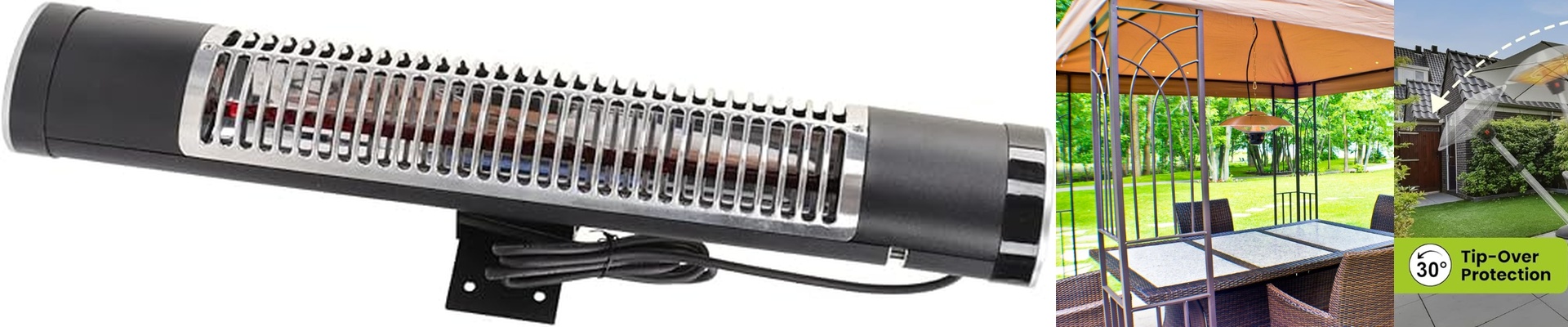
Inside, the filament sits in a quartz envelope. Quartz handles rapid heating and cooling cycles, and it stays clear in the infrared range. The outer coating isn’t just for looks. It sets the emissivity and helps keep the surrounding parts from taking the full thermal hit. But the weak point is always the exit. Standard connectors and loose grommets crack when the heat keeps cycling. We use a high-grade wire-seal termination: a compression seal that grips the lead wire, isolates the joint, and keeps moisture out. The seal geometry is matched to the lead diameter, so strain relief is built right in.
Reliability Where It Counts: Heat, Splash, and Repeat
On the plant floor, heaters get hammered—steam, cleaning spray, vibration, and constant on/off cycles. An IPX4-rated infrared heater with a proper wire-seal termination stays steady because the electrical joint doesn’t age fast. This design is a straightforward swap for aging heaters that keep dying at the termination. The trade-off is honest: better termination quality means tighter manufacturing tolerances and a more robust sealing method. The unit cost goes up, but field failures and service calls go down. If your machine runs hot and wet, you can’t afford a heater that shorts out the moment the seal fails. Spec the seal first. Then worry about wattage.