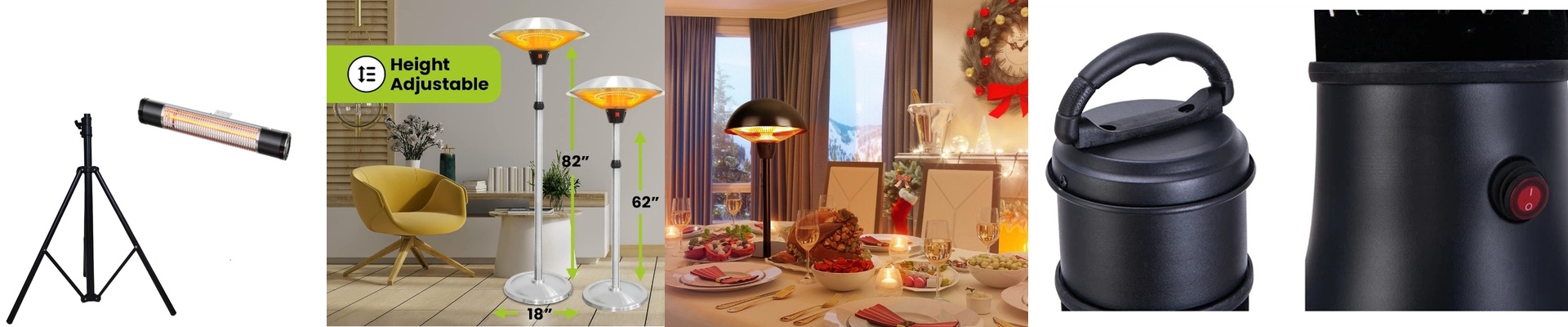
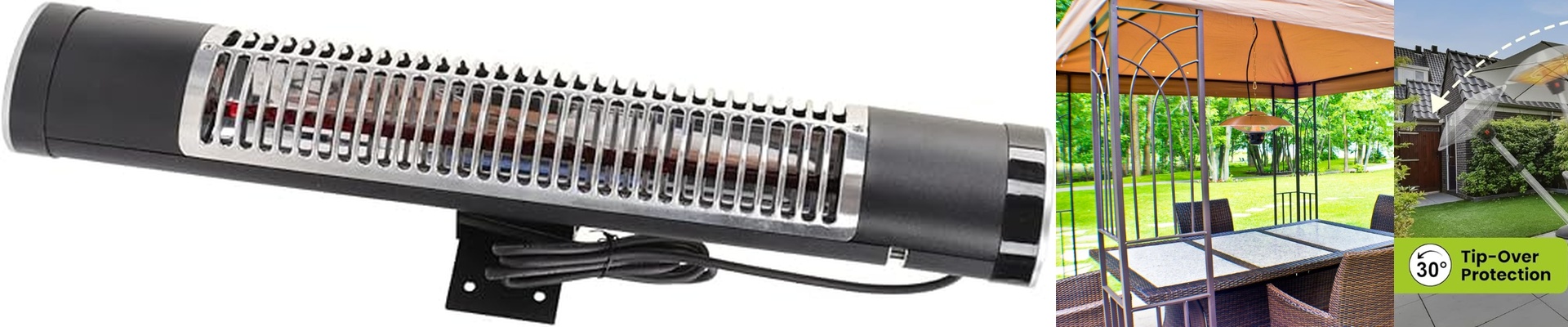
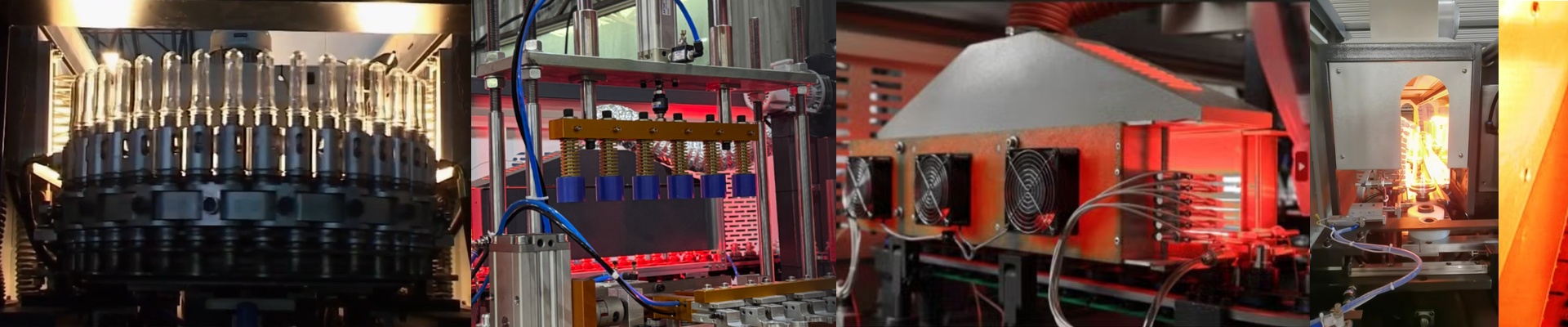
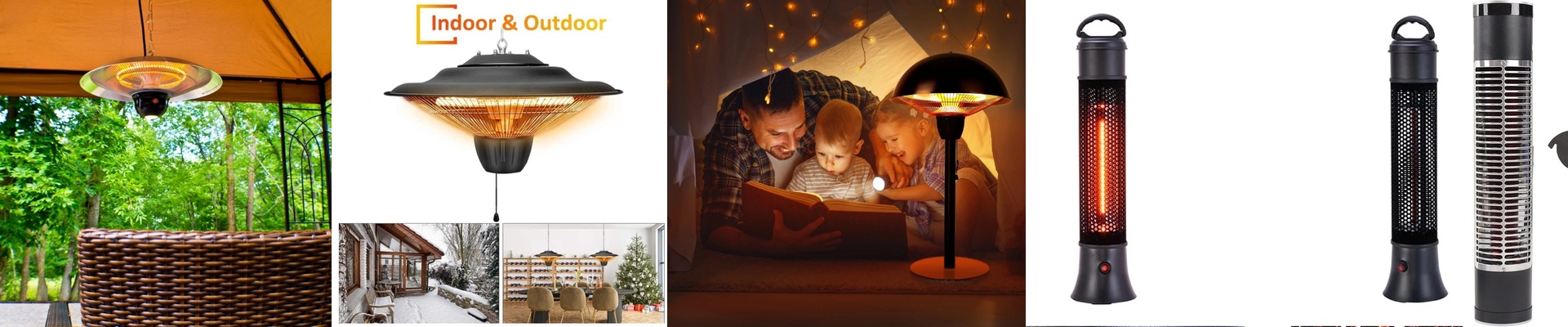

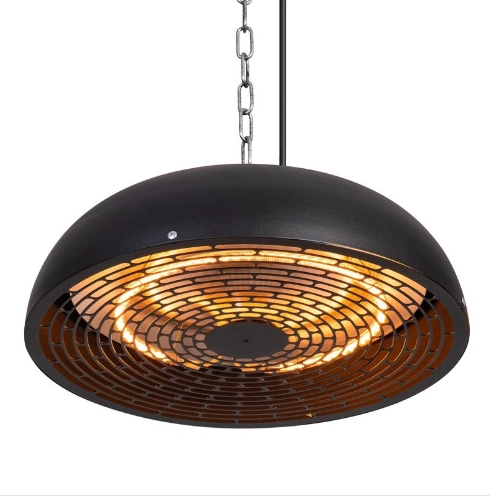
On a damp evening, you flip the switch and wait for that clean, instant glow. That quick light-up isn’t just for show—it tells you what’s under the hood. A solid infrared electric heater fires up within seconds because the carbon fiber or quartz element hits operating temperature fast and even. If the warm-up feels sluggish or uneven, you’re usually looking at cheaper materials and loose tolerances. What matters under the cover We built this IP65 waterproof electric heater around a true radiant system—warmth goes straight to people and surfaces, not into the air. The element sits inside a sealed quartz tube, and the housing is tough enough to shrug off rain and dust. IP65 means it’s protected against water jets and dust ingress, so it can sit on a covered patio, in a workshop, or next to the garden table without blinking. Inside, a thermostat holds comfort steady, and tip-over protection cuts power if the unit takes a spill. Why this approach works where you need it Outdoor time grinds to a halt when the cold settles in. With this heater, you get infrared warmth that feels natural—conversation keeps going, and shoulders relax. The fast start cuts the waiting, so you squeeze out another hour or two in the evening. Because the heat is directional, you’re not wasting energy trying to warm the whole yard, and the IP65 sealing means you don’t have to baby it season to season. Practical stuff to keep it running safely Place the heater so the beam hits where you actually sit, and keep it well away from combustibles. It runs on standard power, but for long sessions, plug it into a dedicated outlet and check the circuit rating. Radiant heat is focused, so if you’re dealing with a larger group, a second unit can even things out. In very wet conditions, keep the control area dry and stick to the clearances in the manual.