What Makes These Towel Rail Heaters Tick
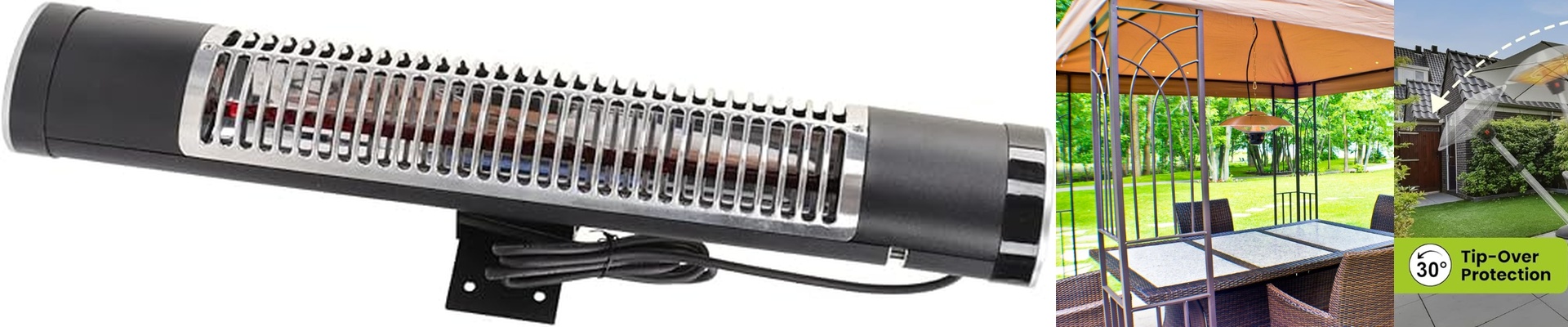
We built these towel rail heaters for the places that get soaked—think industrial washrooms, gyms, and spots that stay steamy all day. The heart of it is a high-output infrared halogen system, designed to throw out dense heat without tripping the local circuit. They run on standard voltage—usually 230V or 240V—and hit the power levels needed to get the rail hot fast. The length matches the towel rail perfectly, so heat spreads evenly across the whole thing. It’s not just about warmth. It’s about holding a steady temperature so towels dry quickly and the heater shell stays clear of condensation.
Inside the Build: Tough by Design
Inside, the halogen element sits snug in a quartz tube. We chose quartz because it handles sudden temperature swings without cracking. The R7s connector is direct and solid—wiring is simple, and it stays tight even when things vibrate. The outer surface gets a special coating and sealing treatment to fight fog and keep water out. That anti-fog layer keeps the tube clear, so infrared output stays strong. And the splash-proof design shields the terminals and the tube from direct splashes. Put it together, and you have a heater that can take the daily beat of a humid washroom without giving up early.
Where It Shines: Reliability Where It Counts
You’ll see these installed as towel rails in gyms, hotels, and commercial laundries. The whole point is simple: keep the heating surface hot, clear, and dry. The anti-fog layer stops the quartz tube from clouding, so performance stays consistent. And the splash-proof build keeps water from shorting terminals or causing corrosion. Now, there’s a trade-off. The high heat density means you need proper clearance and ventilation so nearby materials don’t overheat. For engineers, that translates to a drop-in unit that specs cleanly, wires up quickly, and runs long cycles with hardly any fuss.