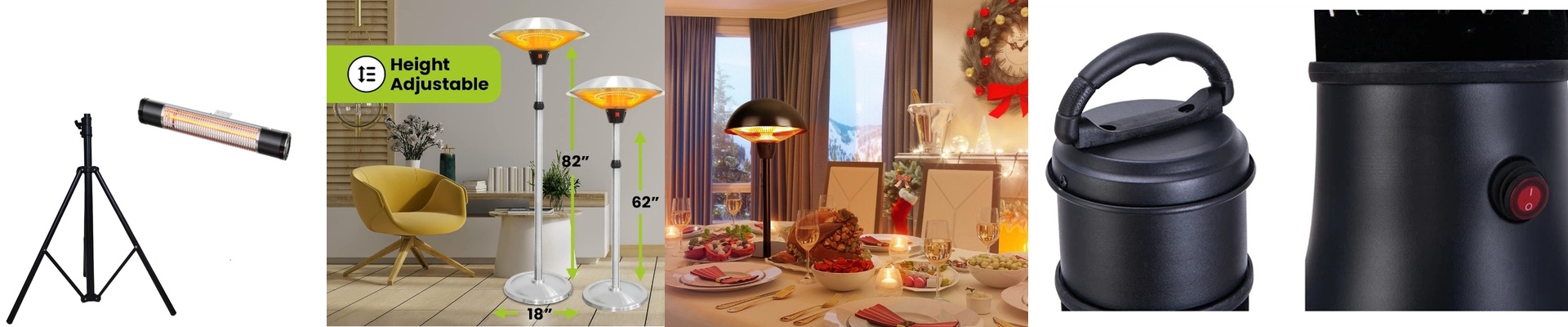

On a workshop floor, cold isn’t just uncomfortable—it drags everything down. Hands stiffen over the bench, tools feel clumsy, and the first job of the day takes twice as long. A standard heater can dump heat in one direction, leaving corners cold and the air moving without actually warming the people who have to work in it.
What matters under the hood
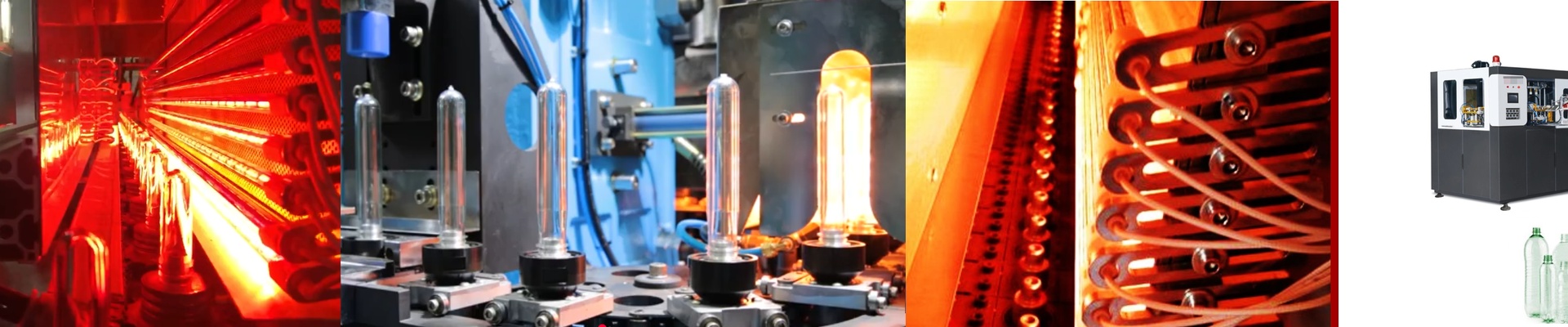
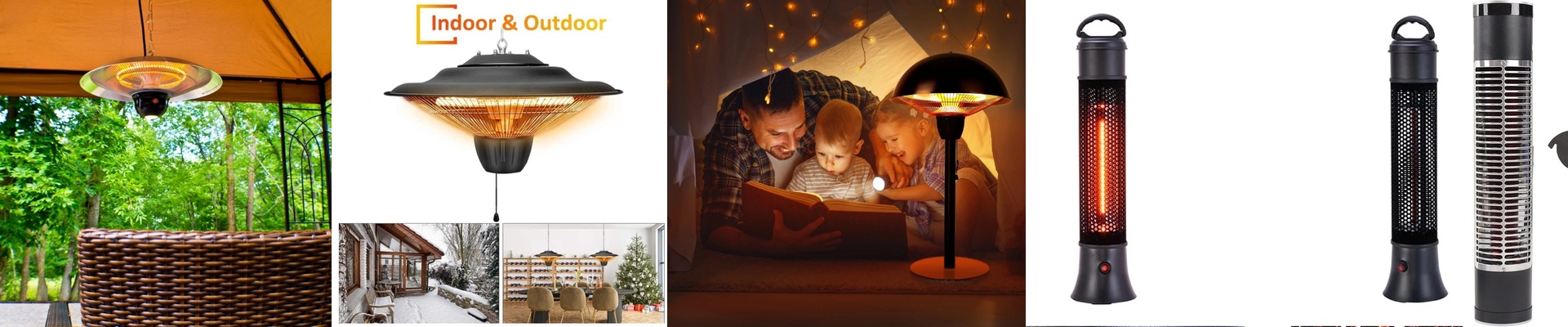
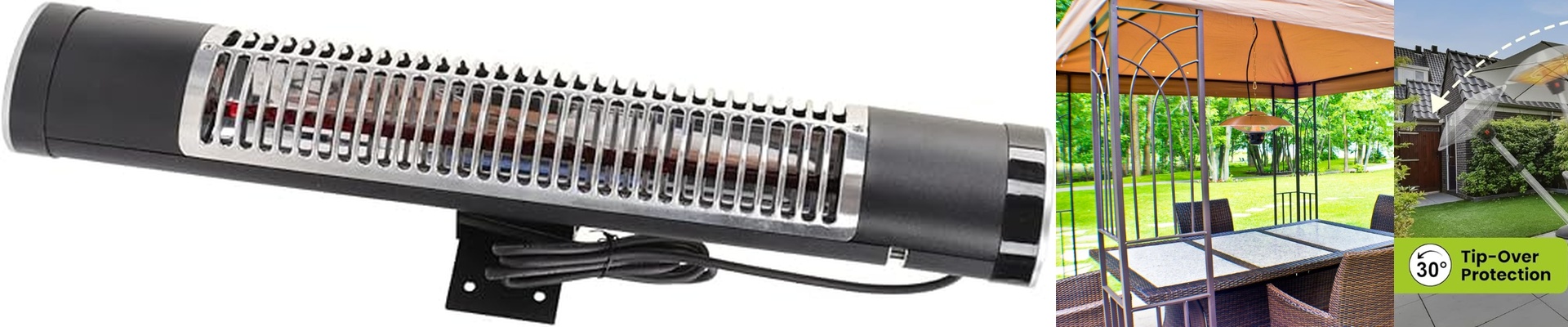
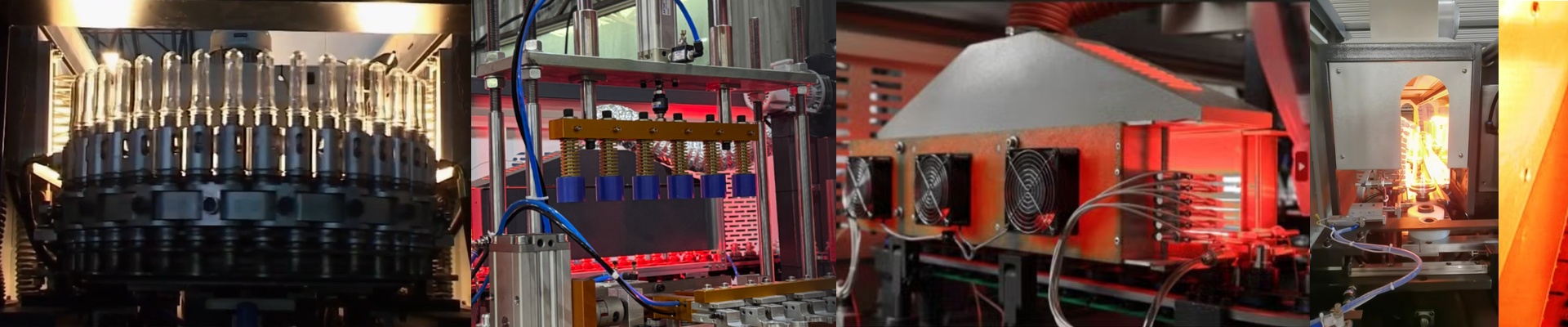
We built this workshop electric heater around short-wave infrared warmth because it travels through air without heating everything in between. You feel the heat directly, where you need it, almost immediately. Inside, a carbon fiber element comes up to temperature fast and holds steady, paired with a reflector shaped using geometric optics. Every curve is calculated to spread the output evenly, not blast a harsh hot spot. The payoff: more radiant energy lands where you’re standing and working, and less gets wasted going up or sideways.
Why it fits the way a shop runs
In a workshop, heat has to keep up with the workflow, not get in the way. This infrared heater comes on fast, hits target comfort quickly, and helps hold steady conditions right where the work happens. Because the warmth is directional, you aim it at the people and the benches—not just at the thermostat location. That focus cuts down on drafts and patchy spots, so hands stay steady, breaks to warm up drop, and the pace stays consistent through the day. Energy use stays sensible, too, because the heat is delivered on demand and focused where it counts.
What to plan for
Run it off a dedicated outlet and keep clear space around the unit—radiant heat does its best work when the path is unobstructed. The reflector geometry is tuned for broad, even coverage, but performance falls off if the heater is aimed at a solid barrier or placed too close to materials that absorb infrared. If your shop has high ceilings or gets dusty, keep the face clean and tweak the angle as needed. For the best results, pair it with local control—thermostat or timer—so the heat only runs when the space is actually in use.