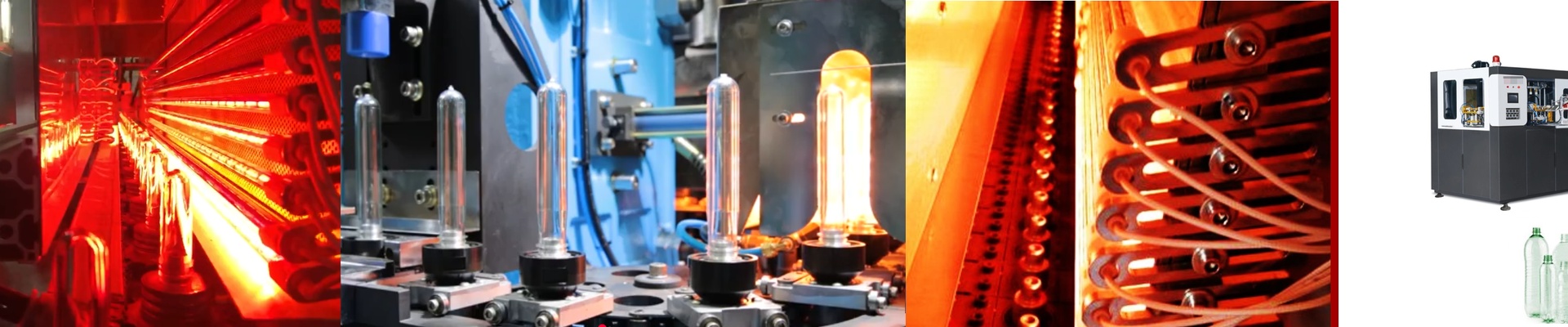
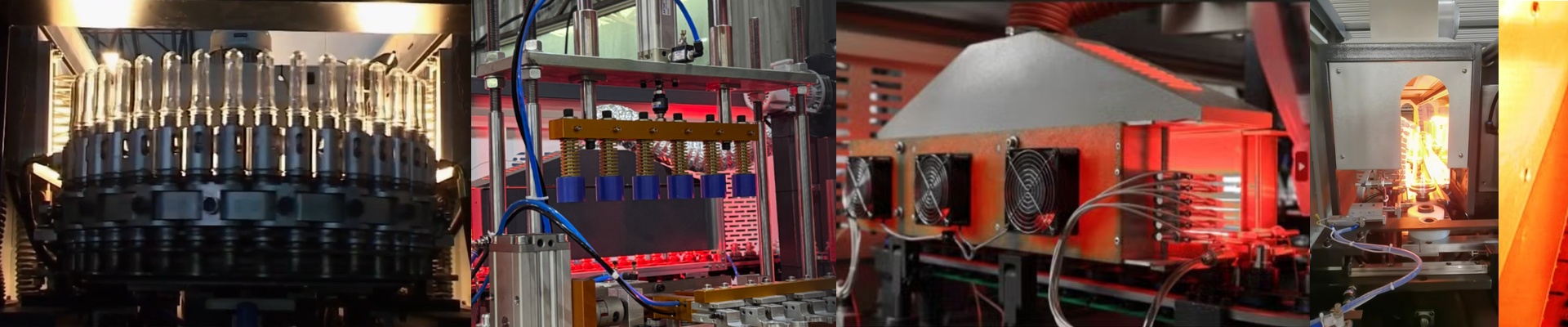
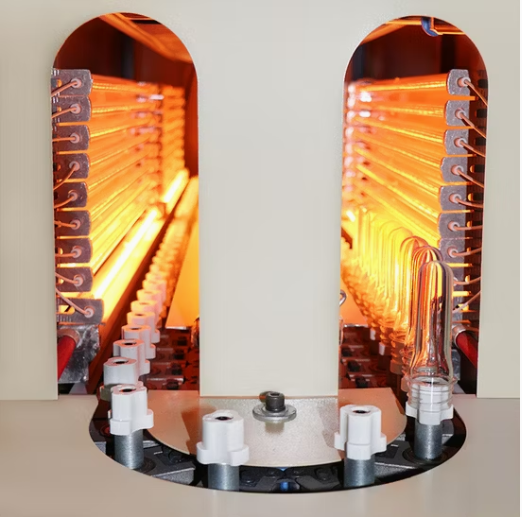
On the blow molding line, preform temperature control isn’t a nice-to-have—it’s the line between steady output and scrap. When the heating tunnel is chasing hot and cold, you get PET crystallization, blown bottles, and wasted energy. We built the Ruby infrared lamp to knock that variability out at the source. What matters, technically The Ruby lamp is a short-wave infrared emitter, tuned for the PET preform heating window. It runs on 120V/230V with matched power density, so energy density stays consistent across the heating zones. The quartz envelope gives you fast thermal response, and the R7s connector makes it a direct, drop-in fit into standard blow molder reflectors. We set the filament geometry and wavelength to keep absorption tight on PET—so you’re heating the preform wall, not the air in the tunnel. Here’s why it works in stretch blow molding: repeatability is what keeps OEE up. Ruby lamps bring preform surface temperature into spec faster, which shortens the heating window and stabilizes the blow ratio. The payoff is fewer pinholes, fewer rejects, and bottle weight that holds steady. Energy use drops because the emitter puts heat where it needs to be, and with 5,000+ hour life under normal duty cycles, lamp changes become scheduled work—not unplanned line stoppages. A couple of practical notes. Ruby lamps are engineered as OEM-matched replacements, but reflector condition matters. If the reflector is oxidized or out of alignment, you lose output and the lamp will run hotter to make up for it. Check mounting, voltage, and polarity before installation. And keep the heating tunnel clean—dust on the quartz tube robs irradiance faster than any spec sheet will tell you.