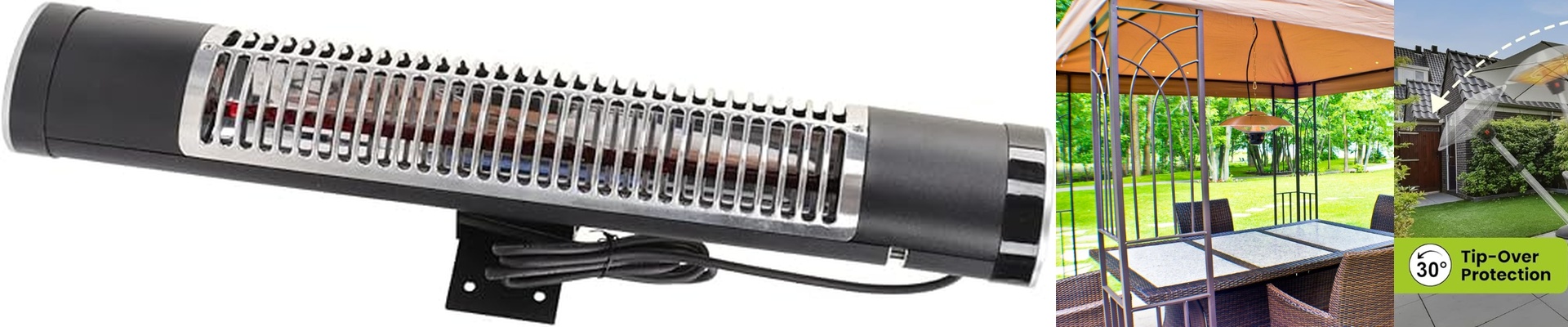

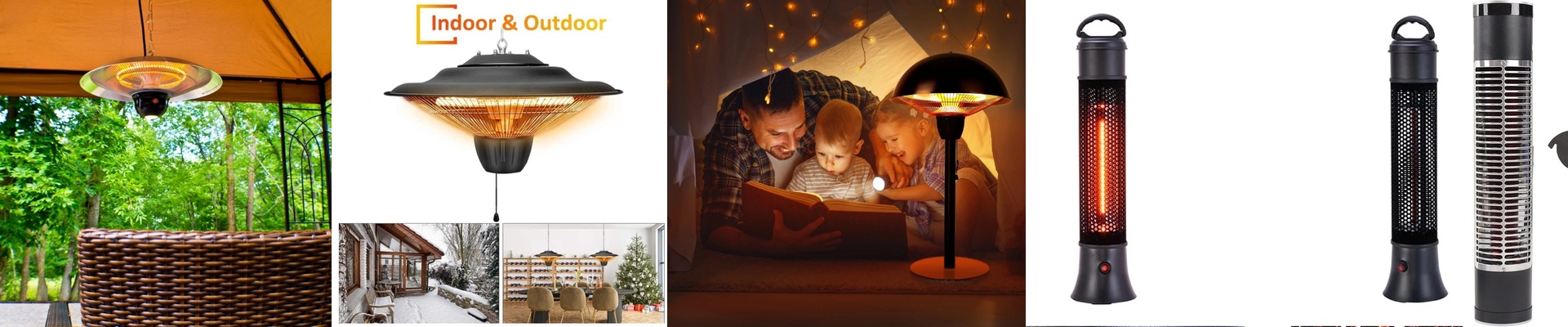
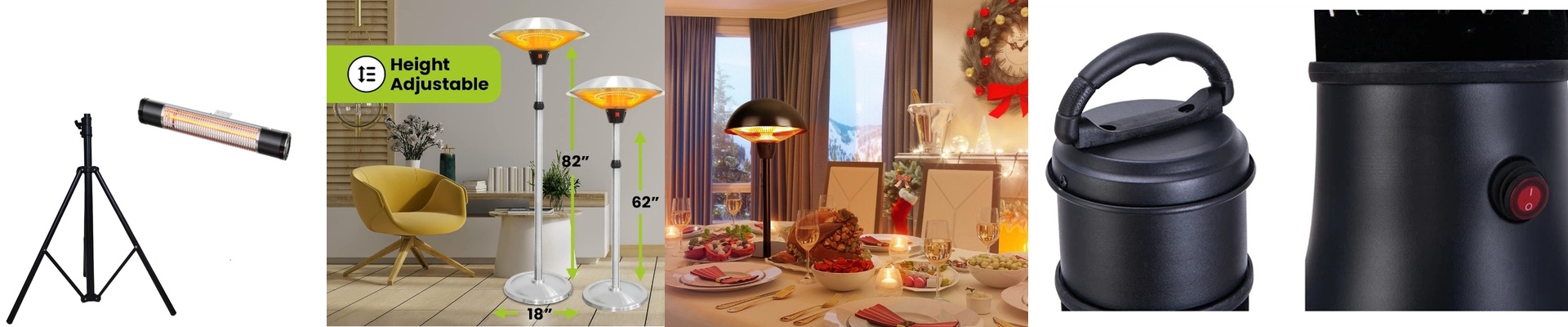


Winter nights have a way of turning bedrooms into cold spots—sheets that feel too cold, and a room that just won’t settle. Traditional heaters bring the usual baggage: the steady hum, the thermostat clicking on and off, and a blast of air that kicks up dust and dries everything out. That’s a one-way ticket to broken sleep. A far infrared heater cuts through that cycle. It delivers warmth you feel almost immediately, without the noise and air movement that keep you awake.
What matters under the hood
Far infrared heaters rely on a radiant element—typically a carbon fiber or quartz-based emitter—to generate long-wave infrared energy. That warmth travels through the air and heats people, furniture, and surfaces directly. You feel it within seconds, much like stepping into sunlight. Because the heat is radiant and object-focused, there’s no fan, no forced-air rush, and fewer moving parts to make noise. Most units run on standard household voltage, pull modest current, and are designed to focus warmth where you need it. Built-in thermostats hold the temperature steady, and you’ll usually find safety basics like tip-over protection and an overheat cutoff.
Why it fits the bedroom
In a bedroom, quiet isn’t a luxury—it’s the difference between restless and rested. A far infrared heater warms your body and bedding without circulating air, so you get fewer dry spells and less temperature swing. The even, gentle heat helps muscles relax and makes the wind-down feel more natural. The heat is directional and efficient, so you can run it at night without the room turning stuffy. You can keep the unit close to the bedside, too, without being jolted awake by mechanical noise. The payoff is fewer interruptions and a more consistent sleep rhythm when it’s cold outside.
The practical details
Placement matters. Keep the heater at a safe distance from bedding and curtains, and aim it so the radiant warmth covers the bed and the area around it evenly. For comfort, pair it with a room thermometer and dial in a setting that feels stable, not scorching. If your indoor air runs very dry, a small humidifier helps keep things balanced. This is electric heating, so stick to a grounded outlet and skip extension cords. Far infrared is excellent for personal warmth, but it isn’t designed to heat the whole house—its job is to make your sleep space reliably cozy.