Getting the Heat Right in AI Baking
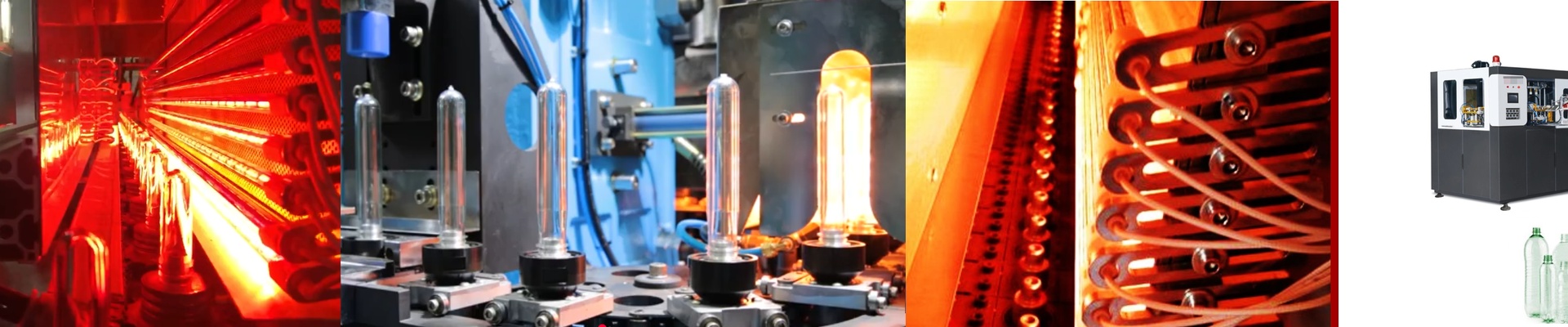
Forget those old-school thermostats. They’re too slow. If you want an oven that actually thinks, you need high-precision infrared heating. That’s why we stick with quartz tubes. They react instantly. In an AI-driven oven, that speed is everything. It’s the difference between a perfect golden crust and a burnt mess because the oven took too long to realize it was getting too hot.
How Quartz Actually Works
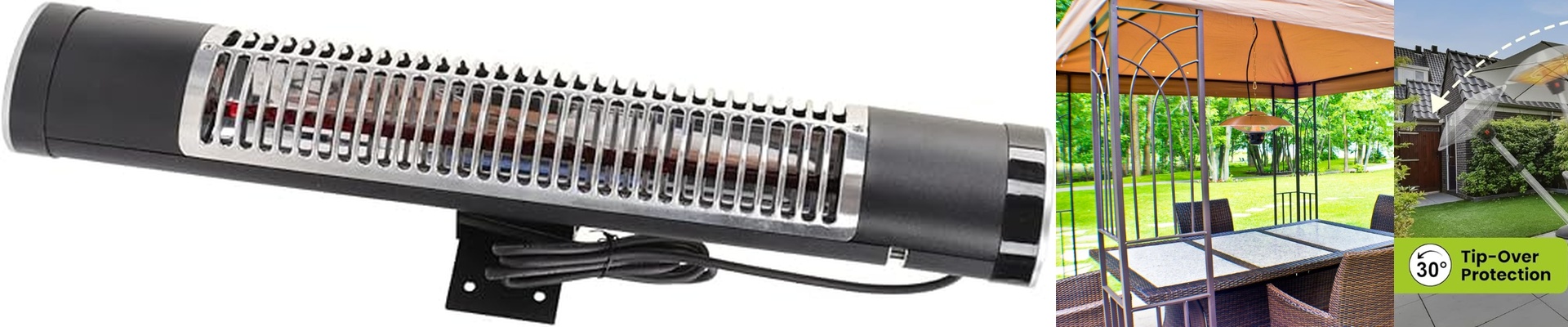
Here is the secret: we run a current through a tungsten filament inside high-purity silica glass. This creates short-wave infrared radiation. Most ovens just heat up the air and hope for the best. Not these. Quartz tubes send energy straight into the food. The best part? There’s basically zero lag. The moment the AI sensor says “stop” or “more power,” the heat responds. It’s immediate.
No “One-Size-Fits-All” Here
We don’t just toss the same tube into every machine. That doesn’t work. Depending on how big the oven is, we tweak the length and the wattage. Why? Because nobody likes “cold spots” in their bake. But you have to be careful. If you crank up the wattage without giving the system room to cool down, you’re asking for trouble. You could warp the whole chassis or fry the control board. It’s a delicate balance.
The Catch (and How to Fix It)
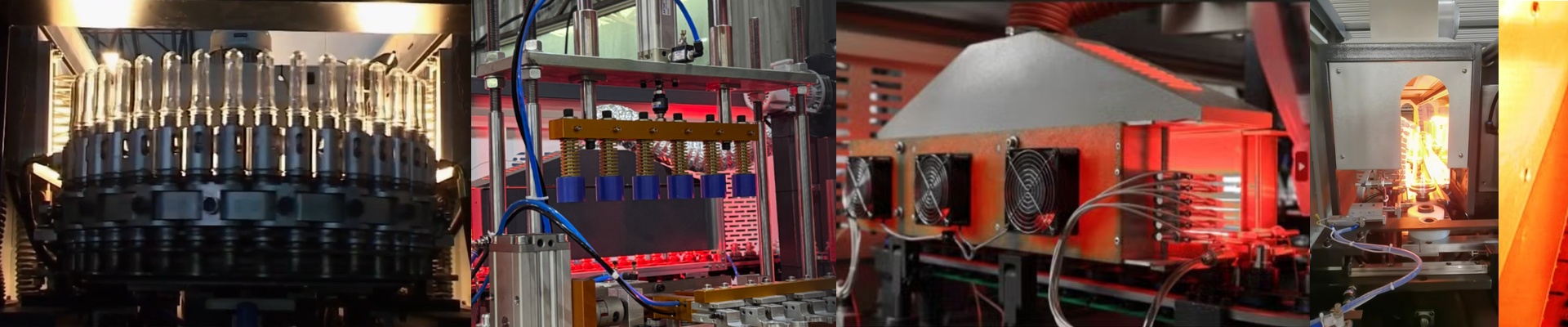
Now, here’s the thing: quartz is fragile. It can handle insane heat, but it hates being bumped or squeezed. If you clamp a tube too tightly, it’ll snap the second it heats up and expands. We use flexible spring clips instead. It lets the quartz “breathe” as it grows and shrinks. Do it this way, and those tubes will last for thousands of cycles. Just don’t over-tighten them.