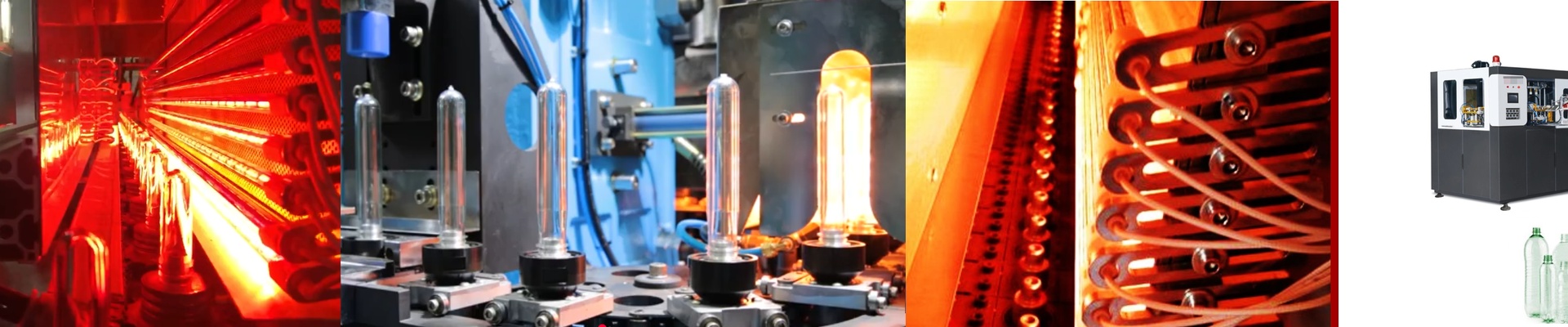
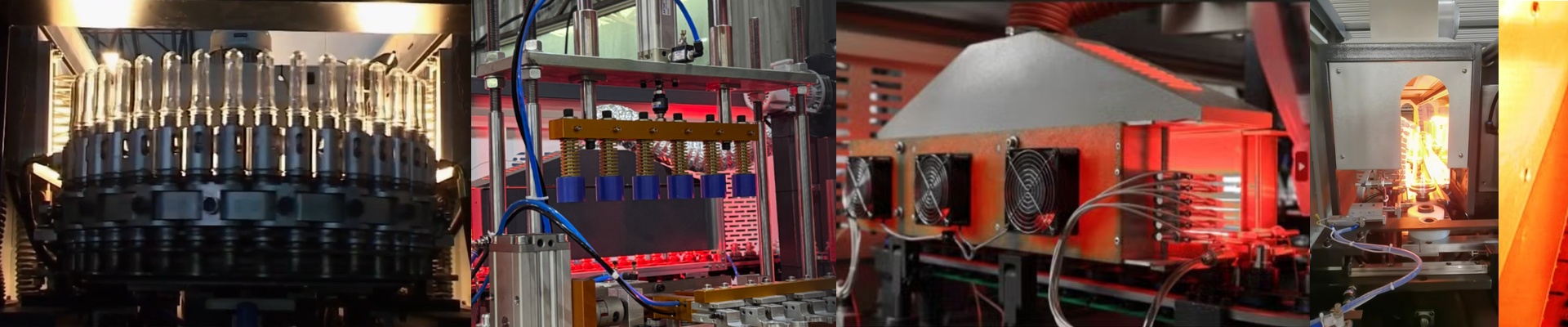
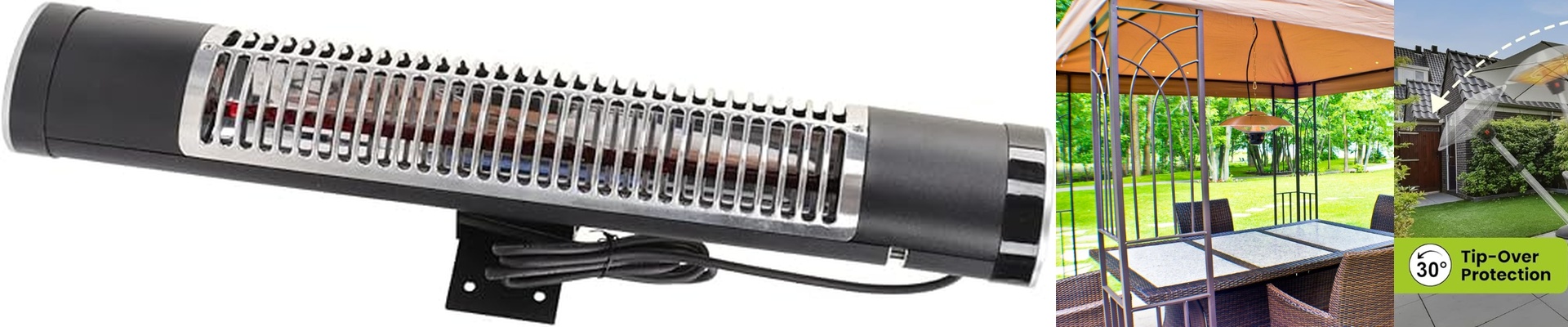
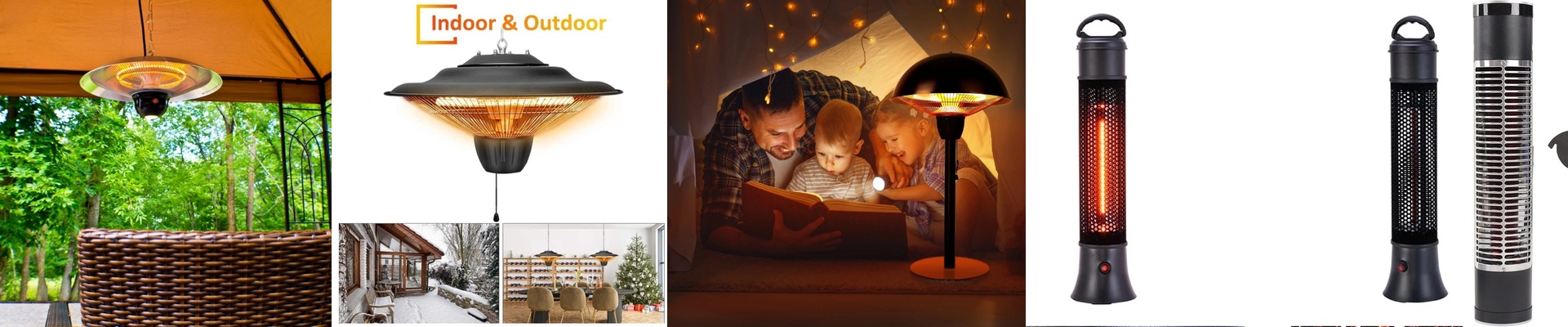
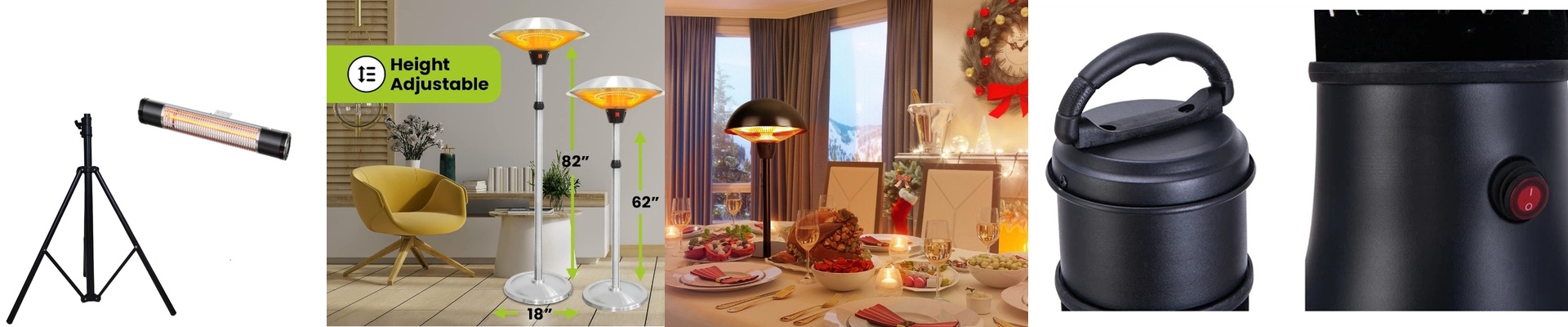

When the line is moving and the buffet has to stay hot without drying out, it all comes down to the heating element. That’s where the promise hits the plate. A buffet lamp frosted quartz heating tube turns steady warmth into repeatable performance—whether you’re holding sauces, finishing gratins, or keeping pans at holding temperature in a deck oven or convection cell. What matters under the hood This tube is built around a frosted quartz envelope, engineered for rapid radiant heat with even diffusion. Quartz handles high temperatures cleanly, and the frosted surface spreads the output so you don’t get harsh hot spots that scorch the top while the bottom goes cold. In practice, that means faster warm-up from a cold start, tighter temperature stability during holding, and quicker recovery after the door opens. We size these tubes to match common oven and warming-well profiles, so the wattage density supports the workload without overdriving the thermostat. Here’s why it works where you need it most. On a busy buffet line, speed and consistency are the same thing. The tube heats quickly, so you cut preheat time and bring the holding cabinet up to temperature faster. That translates into shorter cycles, fewer temperature swings, and a more consistent mouthfeel across every pan. Energy use drops because the element hits setpoint fast and then holds efficiently, instead of cycling wide and wasting power. Add in long service life and fewer element replacements, and the kitchen keeps service flowing with less downtime. A few field-tested details Installation is straightforward, but the tube needs the right mounting orientation and proper clearance to the pan or rack. Verify the socket type and voltage match your equipment, and make sure the thermostat or controller can handle the load without overshoot. Handle it with clean gloves to avoid etching the quartz, and check terminal connections every time you run preventive maintenance. If your oven sees aggressive moisture or heavy grease splatter, plan on more frequent cleaning and inspections—protect the element, and you keep heat output stable.