Getting Your Sterilization Cabinets Up to Temp—Fast
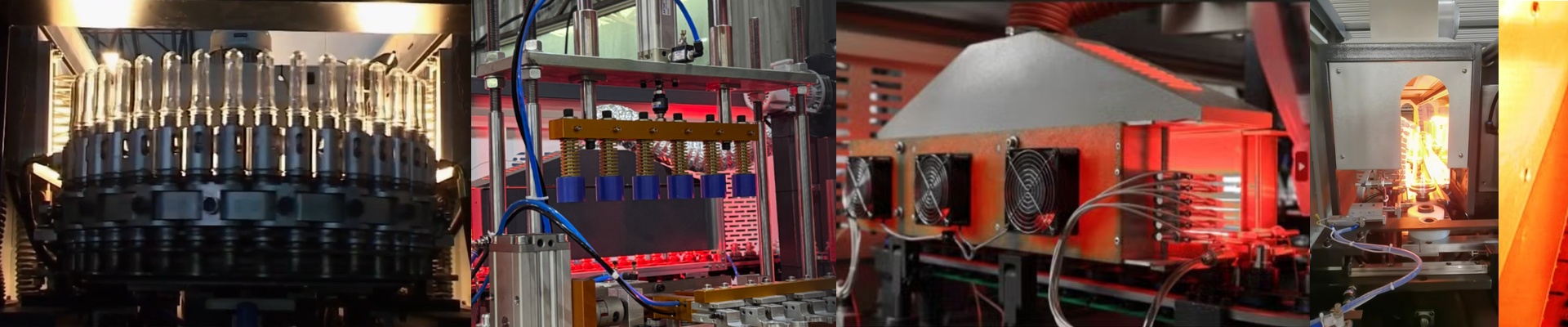
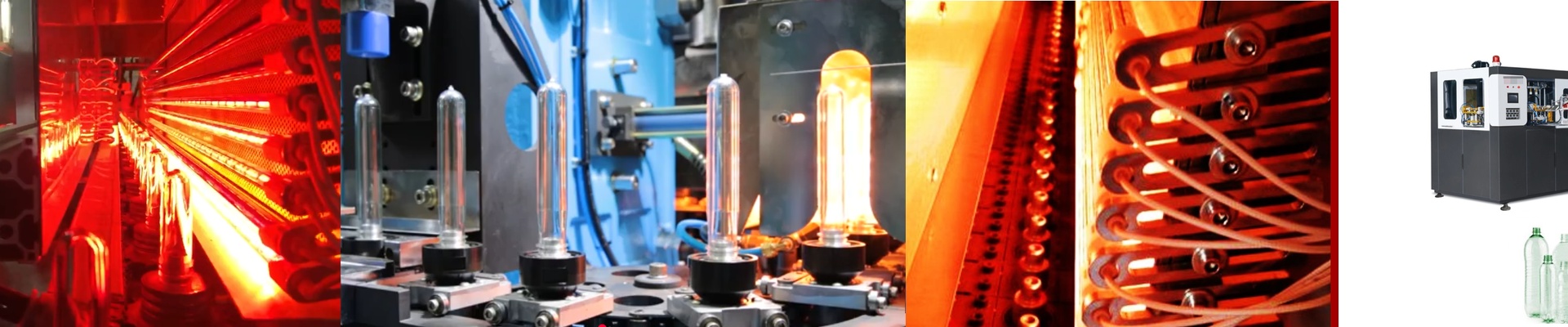
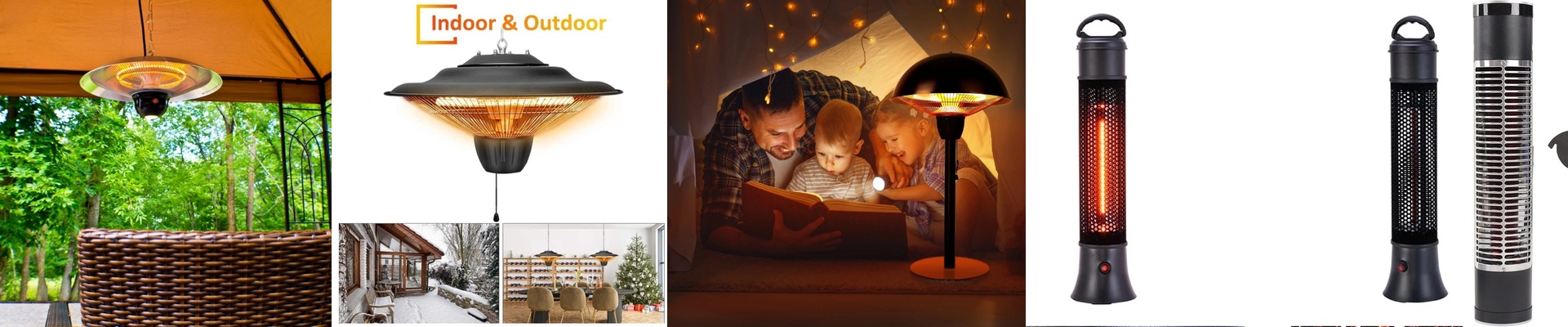
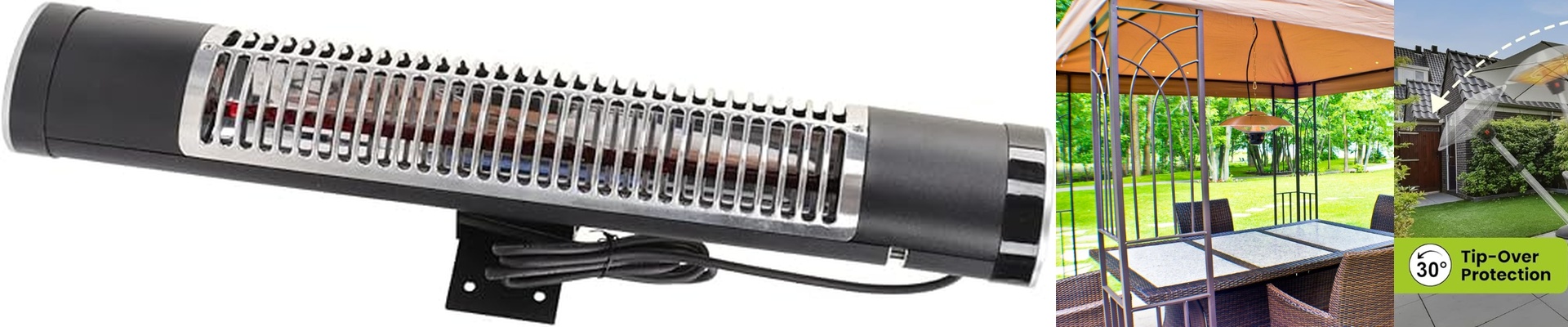
If you’ve ever worked with sterilization cabinets, you know the frustration of waiting. To actually kill pathogens, you need a massive spike in heat, and you need it now. Standard heating elements are just too slow. They lumber along, warming up the air bit by bit, which wastes time and energy. That’s why we lean on short wave infrared (SWIR) heating tubes. Instead of trying to heat the air around the equipment, these tubes blast energy directly onto the surface of whatever you’re sterilizing. It’s the difference between waiting for an oven to preheat and using a toaster. It happens in seconds. We call this “second-level response” because the lag time is basically gone. You flip the switch, and the heat is there.
The Gear Under the Hood
To make this work, we use high-purity quartz glass. Why? Because we don’t want the glass absorbing the energy—we want those infrared waves to fly straight through the tube and hit the target. Depending on how big your cabinet is, we use R7s or SK15 connectors. They’re simple, drop-in parts that make the wiring side of things a breeze. For the really tough jobs, we have coated tubes. These are great because they tweak the heat spectrum to match the material you’re working with. It’s a clever way to make sure the core of the object gets sterilized without scorching the outside.
The Catch (And How to Handle It)
Now, all that raw power comes with a trade-off. When you’re running these tubes at full blast, that quartz envelope gets scary hot. If you aren’t careful with your cabinet’s ventilation or the materials you use for the housing, you’re going to have problems. I’ve seen undersized cooling systems warp a whole chassis or fry the wiring. To avoid a meltdown, stick with high-temp silicone wiring. It keeps the insulation from failing right where the heat is most intense. Get the ventilation right, and you’ve got a system that’s fast, reliable, and actually does the job.