Making Bathroom Heaters That Actually Make Sense
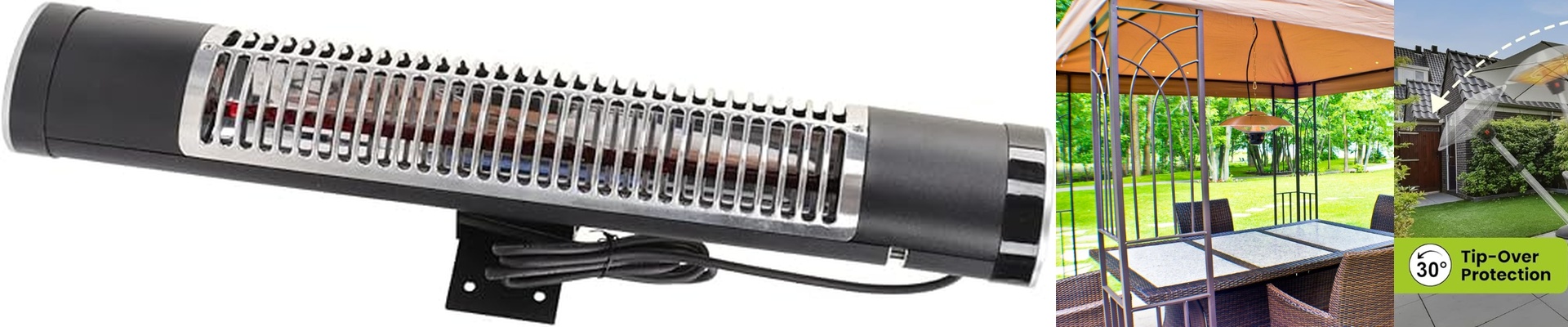
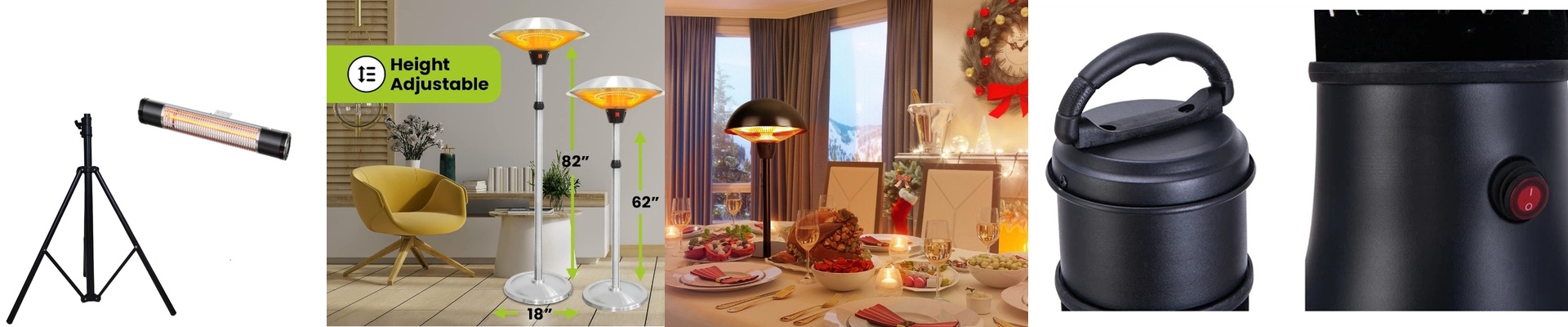
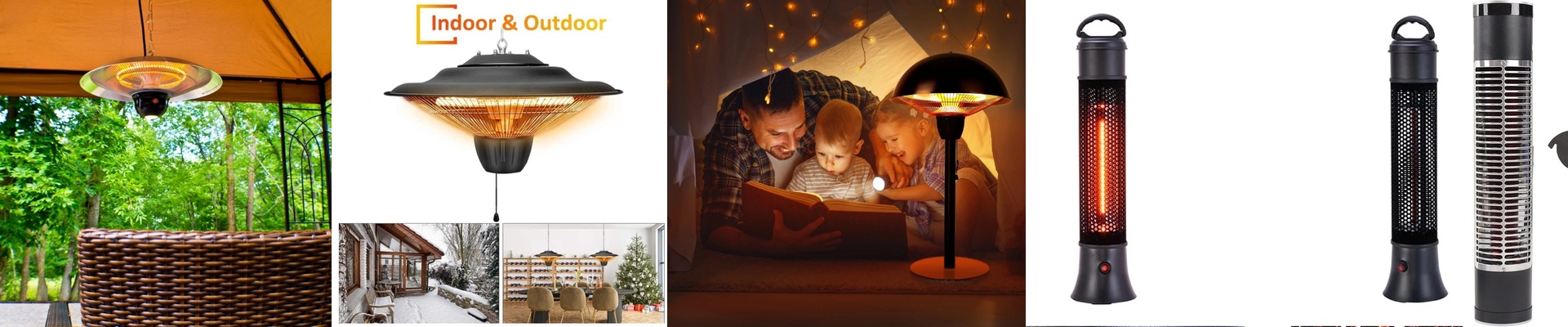
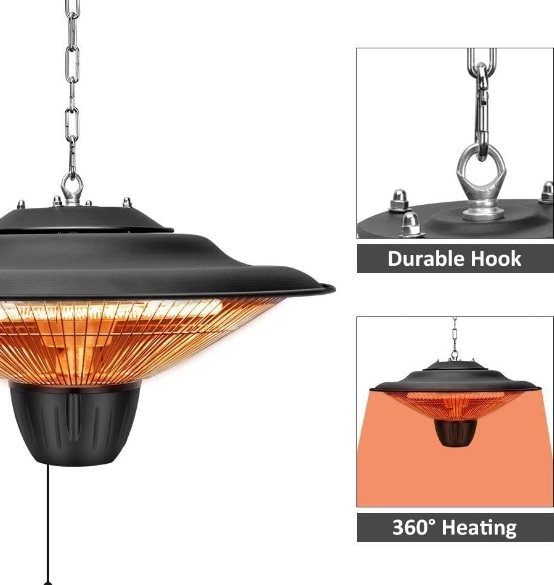
When you’re putting together an infrared heater for a bathroom, the IP65 rating is the starting point. It’s basically the “keep the steam out” insurance so the electronics don’t fry. But if this is going into a home—especially one with babies—waterproofing is only half the battle. The real trick is making sure the light doesn’t hurt someone’s eyes. The glare problem Most standard short-wave lamps are blinding. They’ve got this harsh, aggressive glare that you just can’t look at. To fix that, we use quartz envelopes with built-in spectral filters. Think of it like a pair of sunglasses for the heater. The filter blocks the blinding visible light and those nasty UV peaks, but it lets the actual heat glide right through. You get all the warmth you need to stop shivering after a shower, but the light stays soft. No one is going to accidentally strain their eyes just by standing under it. The guts of the machine We stick with high-purity quartz glass because it doesn’t freak out when the temperature jumps. Cheap glass cracks; quartz just handles it. We also tune the wattage carefully. We don’t want the surface temperature to spike so fast that it becomes a hazard. Everything is tucked into a sealed housing to keep that IP65 promise, so the humid air never even touches the internals. Getting the install right Here is the best part: these heaters are instant. They don’t waste time trying to warm up the air in the room; they warm you. It feels like stepping into a patch of sunlight on a cold day. But you have to be picky about where you mount them. If you hang it too low, it’s too intense and can actually burn your skin. Too high, and the heat just disappears into the ceiling before it reaches you. You’ve got to hit that sweet spot. And a quick heads-up on the electrics: these things pull a lot of power. Don’t try to run them on a cheap, flimsy breaker or you’ll be sitting in the dark. Get the circuit spec’d right from the start, and you’re golden.