Why Your Bathroom Heater Needs More Than Just a “Waterproof” Label
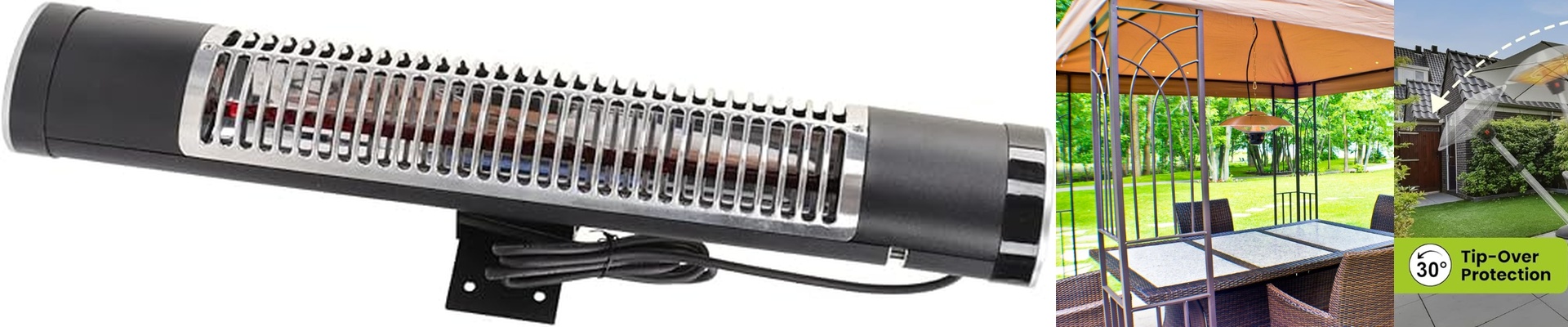
If you’re putting an infrared heater in a bathroom, you have to think about more than just splashes. The real enemy here is something called thermal shock. Picture this: your heater is cranking out heat, glowing red hot, and then a single, cold droplet of water hits the glass. With a cheap quartz tube, that’s it. It cracks. Fast. That’s why we use explosion-proof quartz. It sounds intense, but it’s really just about the science of expansion. This specific glass doesn’t freak out when the temperature swings wildly from boiling to freezing in a split second. It stays intact, keeping your bathroom safe and your heater working. Then there’s the IPX5 rating. In plain English? It means the guts of the machine are tucked away safely. We’re talking about water jets hitting the unit from any angle—steam, splashes, the works—without finding a way into the wiring. Nobody wants their heater to short out or, worse, turn the whole chassis into a live wire while they’re stepping out of the shower. But here’s the tricky part. When you seal a heater tight enough to keep water out, you’re also trapping the heat inside. It’s a balancing act. If we seal it too tight without a way for the heat to escape, the filaments will just burn themselves out. We spend a lot of time getting that vent-to-seal ratio just right so the unit lasts for years, not months. One last tip: always pair these with a grounded GFCI circuit. Think of the explosion-proof glass as your final safety net, but a good electrical setup is what keeps the whole thing rock solid.