Getting More Out of Your Old SIPA Blow Molders
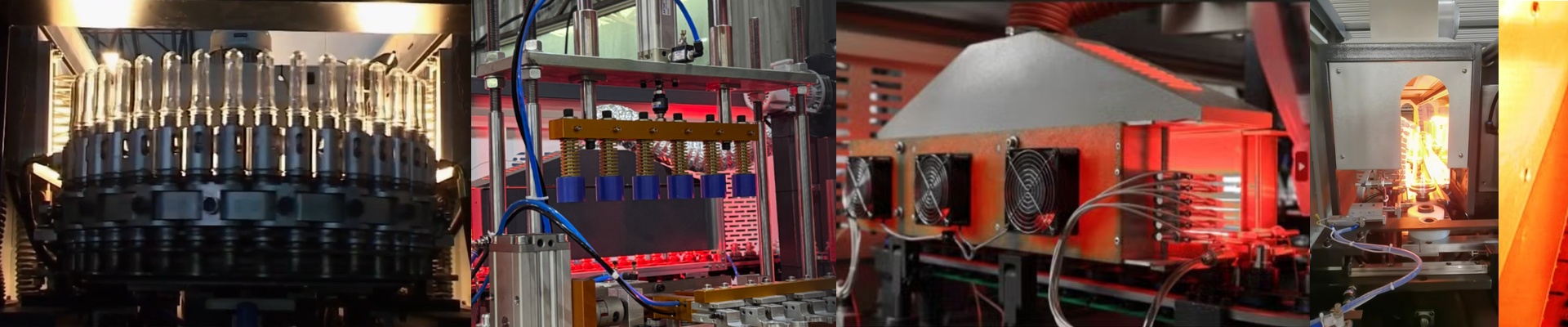
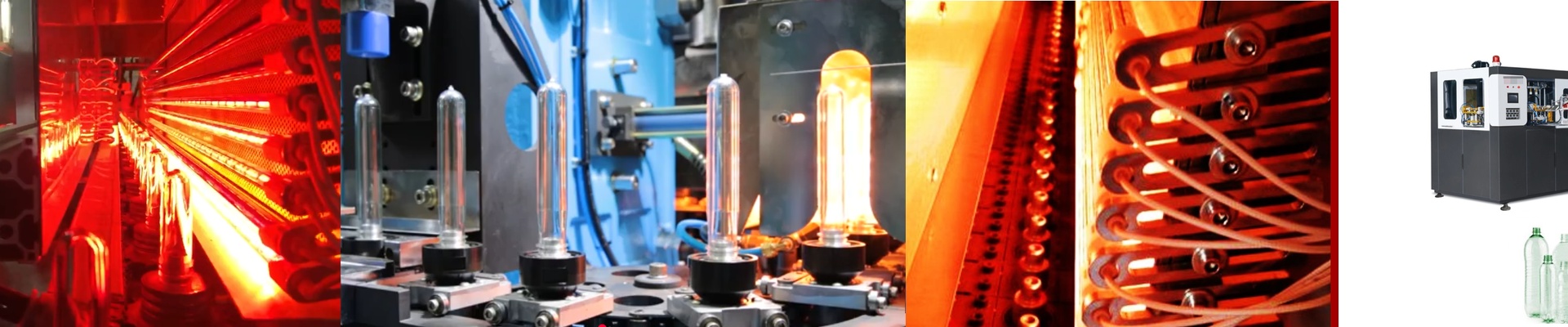
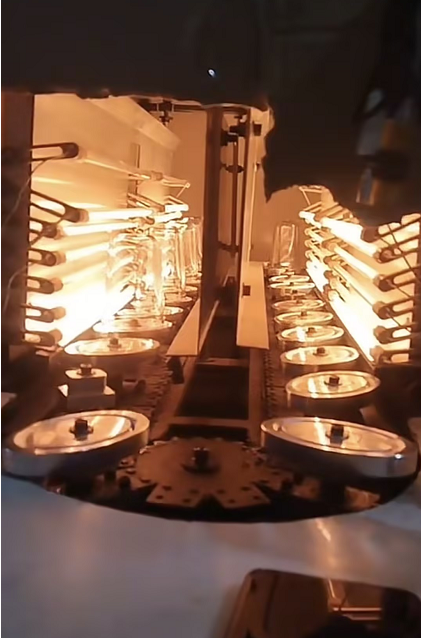
You don’t actually have to scrap your old SIPA machine just to get a bit more speed. Most of the time, the chassis is just fine—the real problem is the oven. It’s a classic bottleneck. When you try to push the machine faster, the preforms just can’t get hot enough in time. The plastic doesn’t stretch right, you get weird wall-thickness issues, and suddenly you’re staring at a pile of scrap. The fix is simpler than you’d think: swap out those standard lamps for high-density infrared elements. It changes the whole thermal game. The deal with heat density If you want more bottles per hour, you need to heat them up faster. Period. We use shortwave infrared because it punches right through the PET wall. By bumping up the wattage and voltage, we can get the preforms to temperature much quicker. That means you can finally crank up the machine speed without losing quality. Just a heads-up: if you go with a higher wattage tube, double-check your wiring. You don’t want to be the person tripping breakers because the power supply can’t handle the extra draw. Quartz, coatings, and the nitty-gritty We use heavy-wall quartz glass here. Why? Because cheap tubes bow and warp when they get screaming hot. Plus, our elements have a special coating that redirects the heat. Instead of wasting energy heating up the oven walls, the heat actually hits the preform. As for the install, it’s a breeze. We use standard R7s or Sk15 bases. They just drop right in. No rewiring the sockets, no headaches. The reality of the install Now, look—this isn’t a “plug it in and forget it” magic trick. When you increase the heat density, there’s a real risk of overheating the preform if your cooling blow-off isn’t dialed in. You’ll probably spend some time recalibrating your oven zones and tweaking the conveyor speed to find that sweet spot. Be careful. If you push the wattage too hard without fixing your airflow, you’ll end up scorching the PET. Just take it slow, tune it, and you’ll be golden.