Why Most Heaters Fail in Steam Ovens (And How We Fixed It)
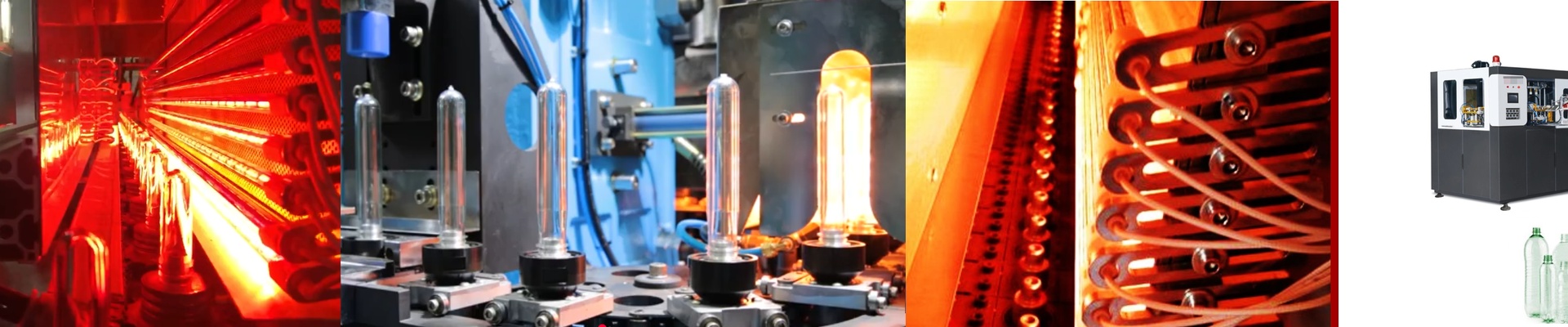
Let’s be honest: steam convection ovens are brutal on heating elements. You’ve got high humidity and forced air hitting your coils constantly. For most standard heaters, that’s a recipe for disaster—they oxidize fast and burn out way before they should. To stop that cycle, we switched to specialized infrared lamps. Instead of trying to warm up the air and hoping it reaches your food, these lamps blast direct radiant heat. It’s a much cleaner way to get the job done. Getting the heat where it belongs In a commercial kitchen, you can’t afford to wait. You need a ton of power packed into a tiny space. We use lamps that pump out short-wave radiation the second you flip the switch. It’s fast. Really fast. Because you aren’t wasting time waiting for the air to heat up, your ramp-up time drops significantly. That means you aren’t just saving time—you’re stopping your electricity bill from spiking during the pre-heat. Fighting the moisture Water and electricity don’t mix. Period. To keep the steam from wrecking the heating core and causing a short, we wrap the filament in high-purity quartz glass. But here’s the trick: the seals at the ends of the tube are usually where things go wrong. If a seal leaks, the filament is gone in a blink. We use reinforced gaskets to lock everything down and keep that vacuum tight. The “Gotchas” of installation Getting these wired into your control board is pretty simple, but you have to be obsessive about the voltage. If you’re off by even 5%, you’re essentially killing your lamp. It might still work, but you’ll shave hundreds of hours off its life. One more thing to keep in mind: infrared heat is intense. It creates these powerful localized hotspots. If your convection fans are too weak, you’ll end up with a product that’s scorched on the outside while the middle is still cold. You have to get the spacing just right. Once you balance the lamp placement with the airflow, you get that perfect, even bake every time.