
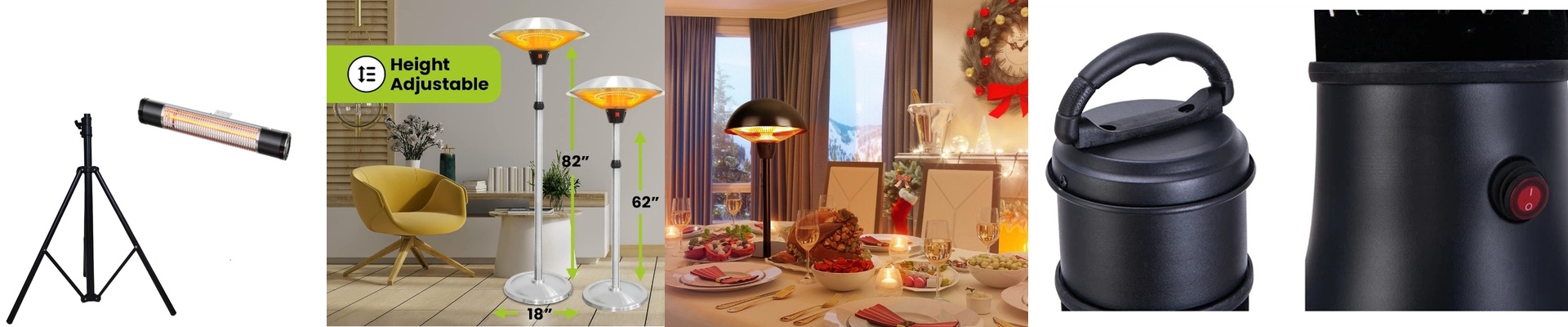
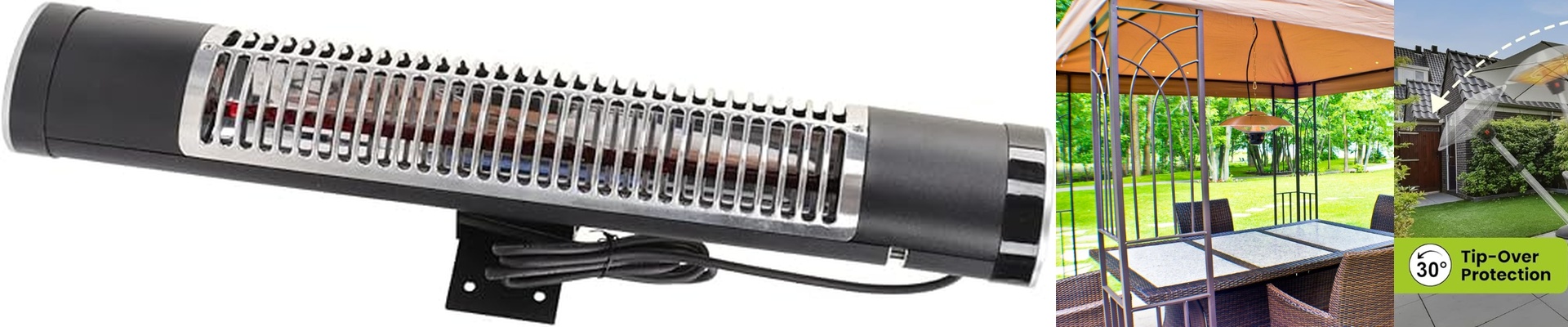

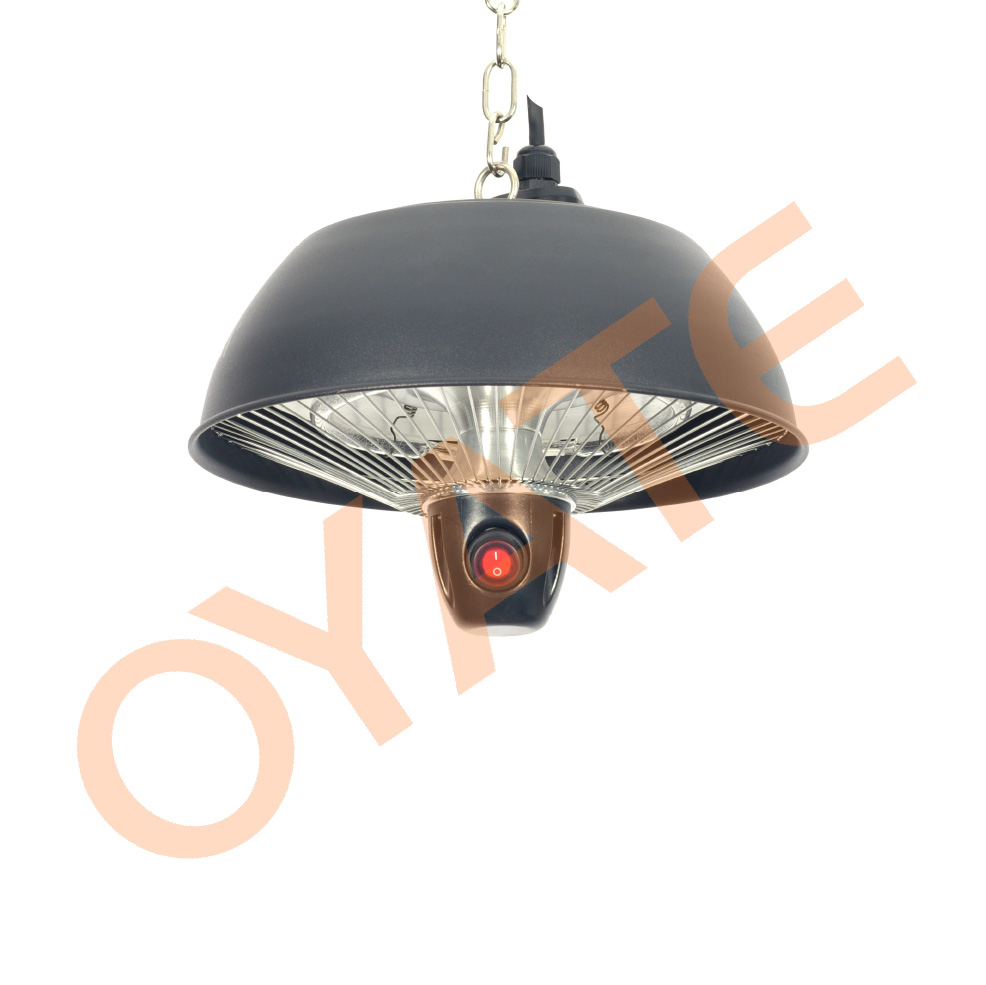
When the air turns cool, the problem isn’t just cold hands—it’s that stiffness that settles in and doesn’t want to leave. A regular desktop heater that warms the air can make you wait, while a radiant infrared model flips the feeling.
What’s actually going on, technically
Infrared desktop heaters put out radiant heat, the same way you feel warmth from the sun—without first heating the air. Inside, a halogen or quartz element generates short-wave infrared that travels outward and gets absorbed by people, furniture, and surfaces. The payoff is immediate, directional warmth, not a slow climb. Most units run quietly on standard outlets, typically around 400–800 watts, and deliver a focused heating pattern that makes them a natural for personal zones.
Why it works so well in practice
That sun-like warmth isn’t just cozy—it can help soothe joints and ease muscle fatigue. As the infrared energy penetrates superficial tissues, it encourages local circulation and loosens the tightness that builds from sitting, overuse, or cooler conditions. You feel the heat right away, so there’s no long wait to get comfortable. Because the warmth is aimed where you need it, you’re not wasting energy heating an entire room, and the steady, dry heat means you won’t feel chilled the moment you step out of the beam.
The things to keep in mind
Infrared heat works best up close—usually within a few feet—and shines as a personal or spot heater. Keep the unit stable and clear of obstructions, and look for a model with a protective grille and tip-over protection. It won’t replace whole-room heating in very cold spaces, but it can turn a drafty corner into a comfortable retreat.