Municipal buildings—community centers, transit shelters, public lobbies—often crank the heat, yet people still feel cold. That’s because forced-air systems heat the air, not the people, and that warmth stratifies and bleeds out every time a door opens. You end up with high energy bills and spotty comfort.
What matters under the hood
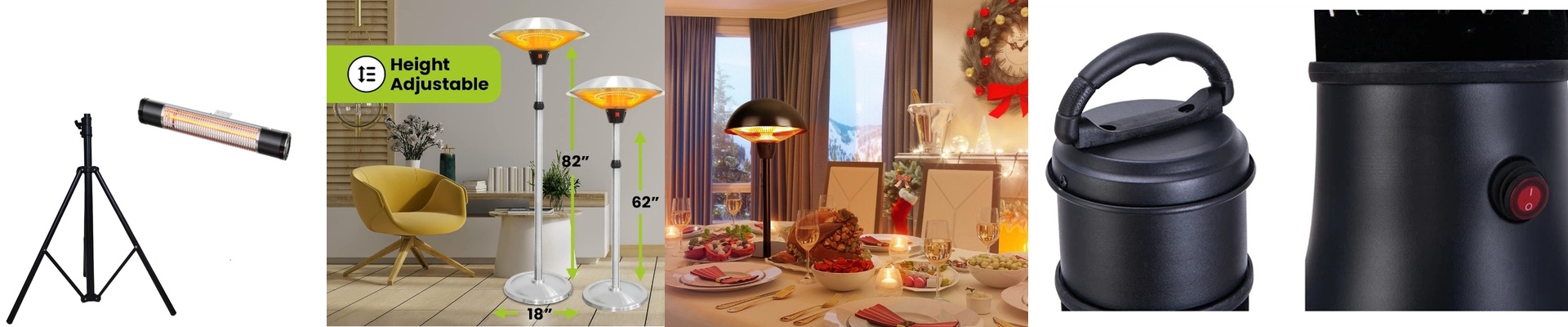
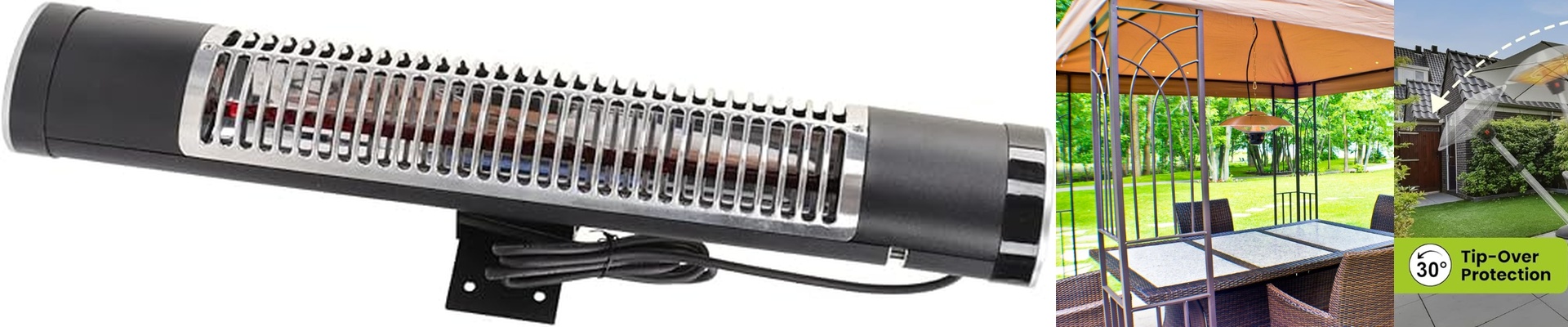
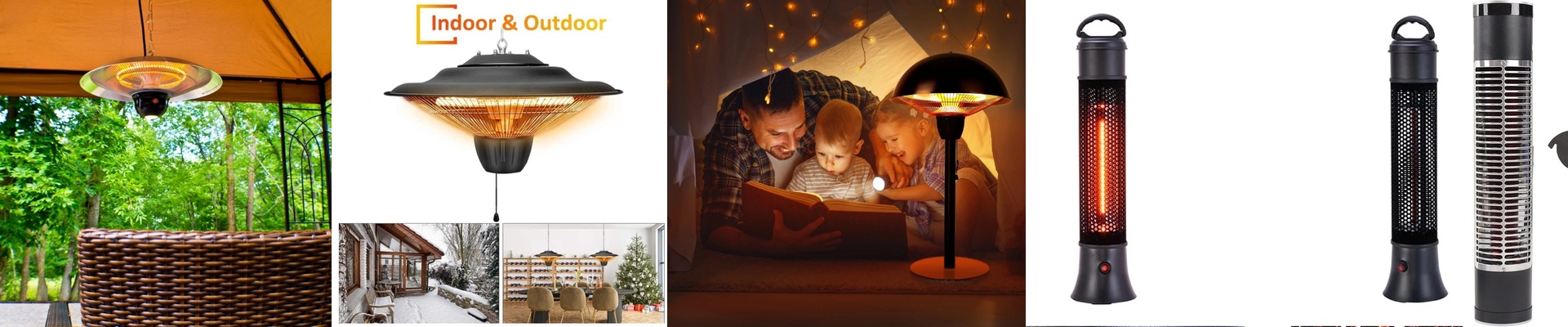
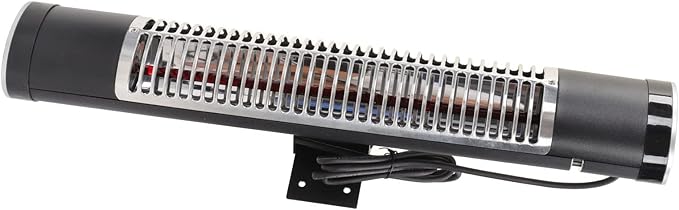
Mushroom patio heaters deliver infrared warmth through a high-efficiency carbon fiber element inside a protective quartz tube. The radiant heat travels outward and warms people and surfaces directly, the way the sun does, without relying on air movement. In practice, a typical 1.5 kW unit covers a comfortable warmth zone of roughly 10–15 square meters when ambient temps are low, and most models run off standard 220–240 V outlets, so deployment is straightforward. The mushroom shape isn’t just aesthetic; it helps direct heat downward and outward. And the safety kit—tip-over protection and overheat cut-off—keeps operation steady in public spaces.
Why this works for municipal budgets
Infrared heat is targeted by design. Rather than heating the entire volume of a room, it focuses on where people stand, sit, and wait. In public buildings, that means fewer kilowatt-hours during shoulder seasons and overnight, and less need to push the central boiler just to take the edge off. The payoff is measurable: annual heating spend drops, especially in lobbies, entryways, and partially enclosed waiting areas. These heaters come on quickly, too, so you use energy only when comfort is needed—no long warm-up cycles eating into the run time.
What to keep in mind
These heaters are built for covered outdoor areas and sheltered indoor zones. They’re not meant for fully exposed spots in heavy rain or driving wind. For best performance, mount them at a safe height and angle to avoid glare and direct heat on any combustible materials. They need a stable, level surface and a grounded outlet. In high-traffic public settings, professional installation plus a clear clearance zone keeps things safe and reliable.