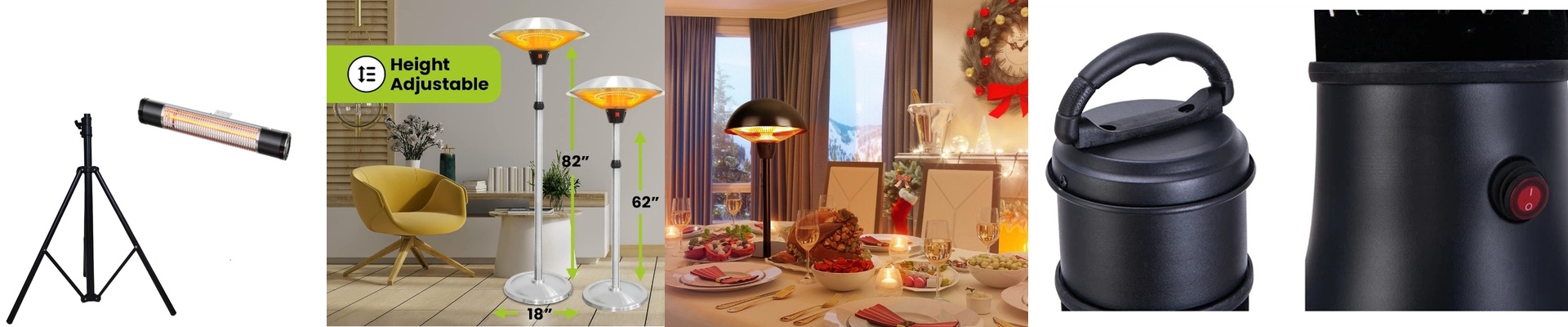
You know the moment. The deck oven is slammed, the thermostat starts hunting, and the baking chamber takes that quick dip. Suddenly your rhythm is off. Crusts lose their blister, caramelization stalls, and you’re chasing consistency bake after bake. An auxiliary heating lamp for oven duty sits outside the main heat source and gives you a fast, localized way to recover temperature without overshooting the entire chamber.
What matters under the hood
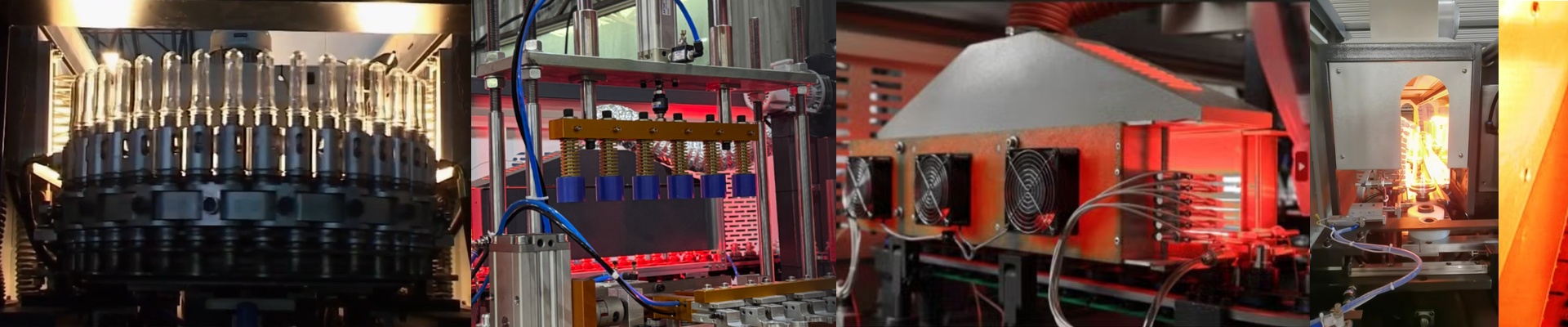
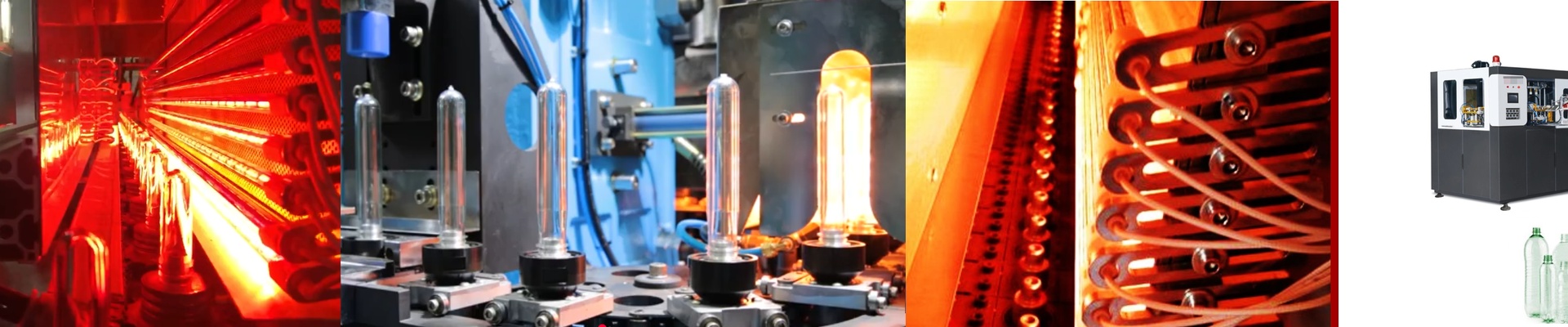
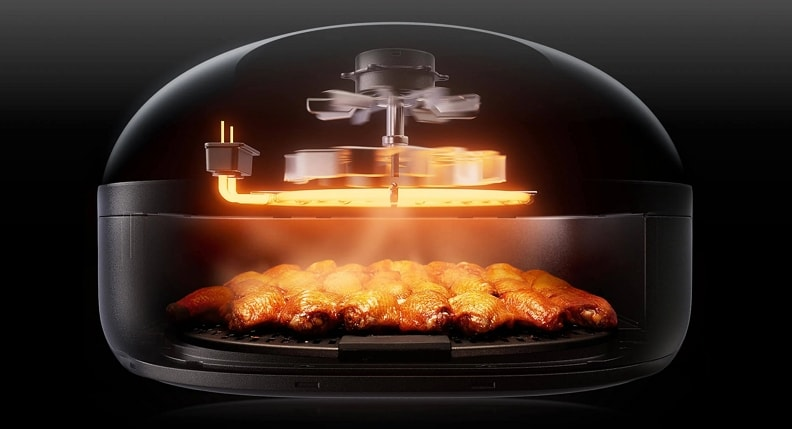
We build these with short-wave infrared (quartz) emitters because they come up to full output in seconds, not minutes. In practice, that means you can add heat the instant the door opens, mid-bake, or during a rush—without waiting for the whole oven mass to respond. The lamps are rated for 120–240 V, draw 0.8–1.6 kW depending on the model, and fit standard mounting points on most commercial ovens. The quartz tube runs hot, so we use a shielded reflector and a focused beam pattern to put the energy where you need it—on the stone hearth or the pan surface—without washing heat across the oven walls.
Why it works in a real service
On a high-volume line, the lamp cuts recovery time, so you hold setpoint more consistently. That keeps crust structure and color stable, even when the door cycles hard. Because the lamp heats only what you’re targeting, you can avoid cranking the main heating system, which often trims energy use per bake cycle. You also get faster output during service. The oven comes back to temperature quickly, so you can run more trays through with less waiting.
The practical details
Installation is straightforward, but clearance matters. The lamp has to be positioned away from moving parts and shielded from direct food contact to prevent hot spots. It’s best treated as a supplement to your existing oven controls, not a replacement for the main heating system. Match the voltage and connector type to your oven’s spec, and confirm the mounting location can handle the local heat and your cleaning routine.