Can a Simple Lamp Swap Actually Bump Up Your Bottle Output?
Let’s be honest: most shop floors are running older PET blowing machines that have basically hit a wall. You need more bottles per hour to keep up, but nobody wants to drop a fortune on a brand-new machine. I see engineers try to force the cycle speed all the time. The problem? The preforms just don’t heat up evenly. Usually, the culprit is the IR heating element. It’s simply not keeping up.
The truth about heat density
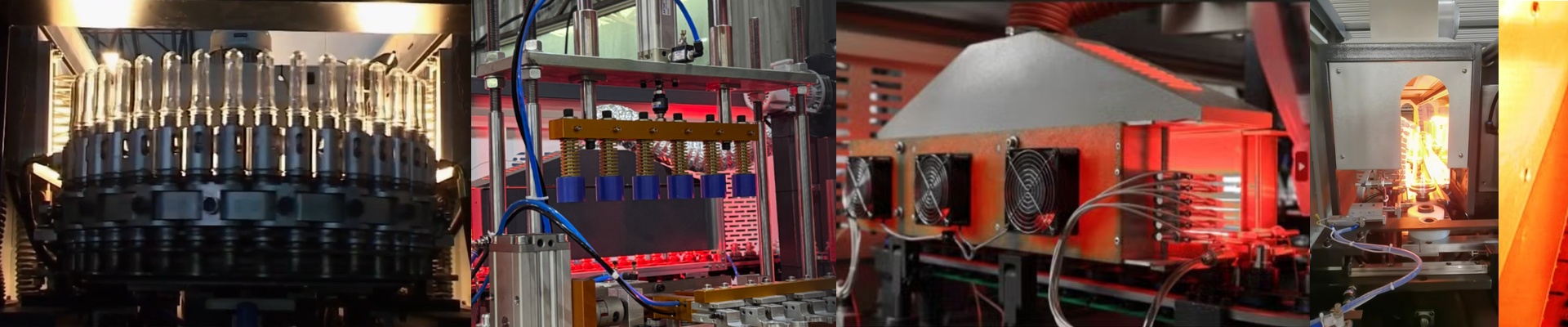
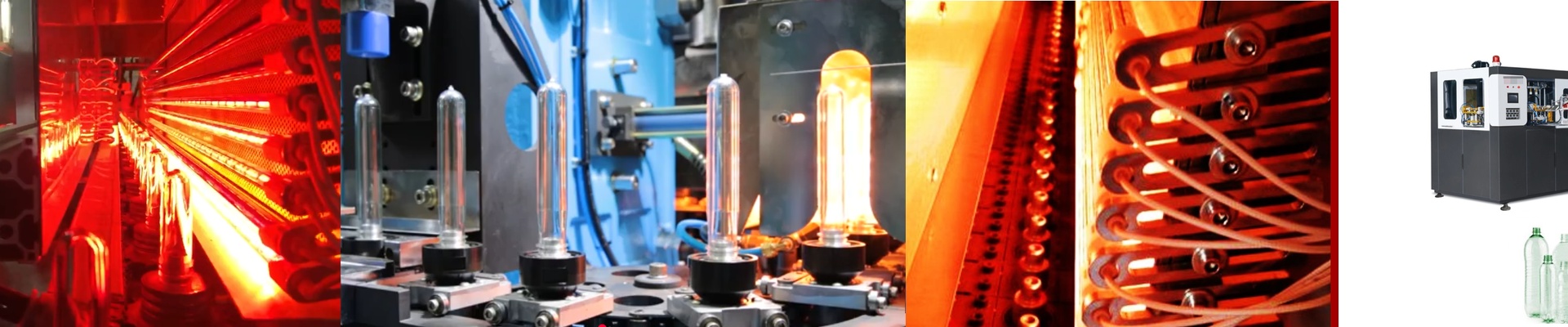
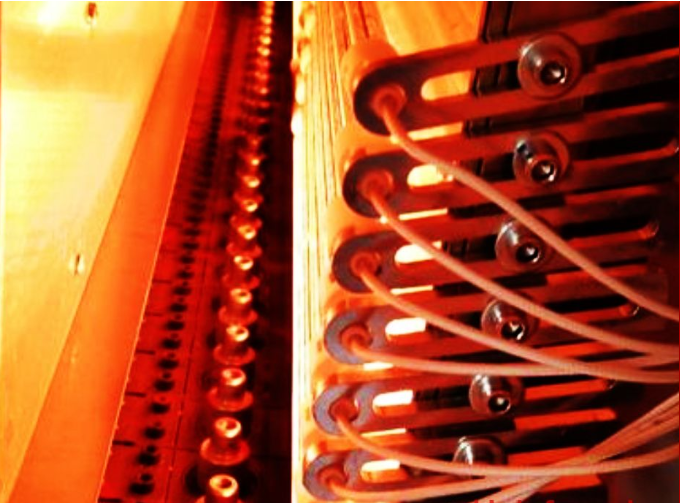
If you want to speed things up, you have to dump more energy into that PET preform in a shorter amount of time. That’s where high-wattage quartz lamps come in. Switching from a standard lamp to a high-density shortwave quartz tube basically cranks up the heat flux. We build these lamps to hit very specific temperature profiles, which means you can shorten your heating window and get those bottles moving faster. But here is the catch. If you swap a 1500W tube for a 2500W one, you’re pulling more power. You’ve got to make sure your wiring and contactors can actually handle that extra current. If they can’t, you’re not increasing production—you’re just burning out your circuitry.
The nitty-gritty on quartz and connections
We use high-purity fused quartz because it doesn’t warp when things get crazy hot. For PET blowing, shortwave IR is the way to go. It just sinks into the plastic faster. The real headache, though, is the connection point. That’s where most things go wrong. We stick to standardized R7s or Sk15 bases so they just slide right in. Why? Because a loose fit at the socket creates a hot spot. And a hot spot will melt your holder long before the filament ever gives out. It’s a small detail that causes a huge mess.
Real-world trade-offs
Upgrading your lamps is probably the fastest way to squeeze more yield out of an old machine. It trims seconds off your cycle, and in this business, seconds are everything. But you can’t just “set it and forget it.” More heat density means the oven area gets a lot hotter. You’ll need to double-check your cooling fans. If your airflow isn’t strong enough to strip that extra heat away from the frame, you’re risking your sensors. It’s a balance. Get the power right, keep it cool, and you’ve got a much faster machine without the new-equipment price tag.