Stop Fighting with Your SIPA Rotary Oven
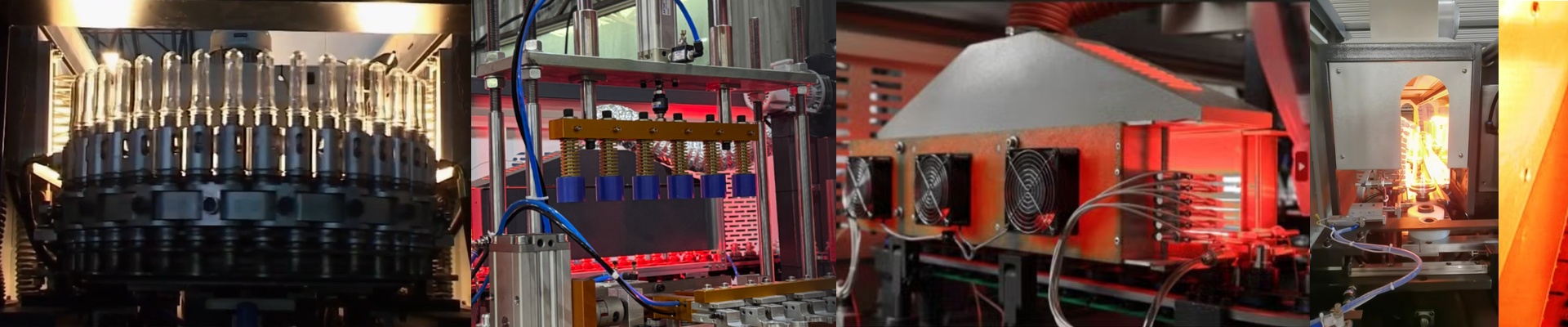
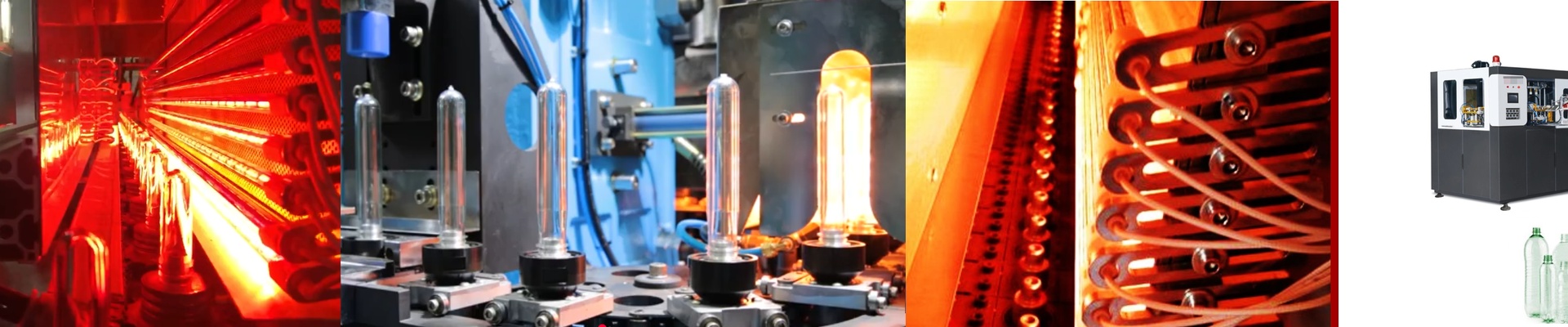
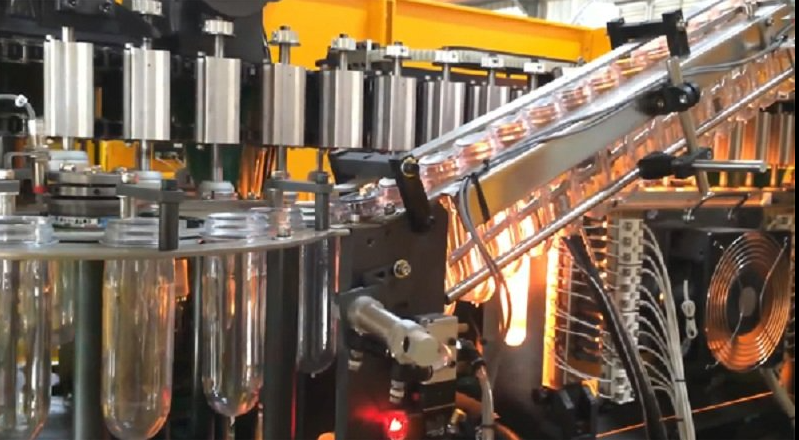
Ever deal with those annoying burst bottles or walls that are way too thin in some spots and thick in others? Usually, it comes down to one thing: uneven heat. A lot of people try to save a few bucks by tossing in generic replacement lamps. But if the wattage or voltage is even slightly off, you end up with “cold spots” in your oven. It’s frustrating, and it kills your yield. We built our SIDEL/SIPA replacement lamps to match the original power output exactly. No guesswork. Just consistent heat. Why the numbers actually matter It’s not just about getting the lamp to glow. It’s about heat density. Think about it this way: if your slot is meant for 2500W but you pop in a 2200W lamp, the preform just isn’t going to get hot enough in the time it’s spending in the oven. It misses that sweet spot—the glass transition temperature—and your bottle geometry goes out the window. We spent a lot of time tweaking the filament thickness and the quartz tube diameter. We wanted to make sure the infrared heat hits the PET exactly where it needs to. No headaches, just a swap We use high-purity quartz glass because, let’s be honest, these things take a beating in a 24/7 factory. These are short-wave halogen lamps, so they ramp up to temperature fast. Whether you use R7s or SK15 connectors, these are true drop-in replacements. You won’t have to mess with your wiring or dive into the PLC settings. You just swap them and get back to work. A quick heads-up on cooling Here’s the thing: when you run higher power density to speed up your cycle times, your oven’s cooling fans have to work harder. Keep an eye on your airflow. If your fans are clogged with dust, your socket housings can overheat. That’s how you end up with brittle wiring and an unplanned shutdown. We build these lamps to survive the grind of a production floor. Just stick to the original power specs, and your bottles will come out looking the same every single time.