

Getting That Perfect Golden Crust (Without Drying Out Your Bread)
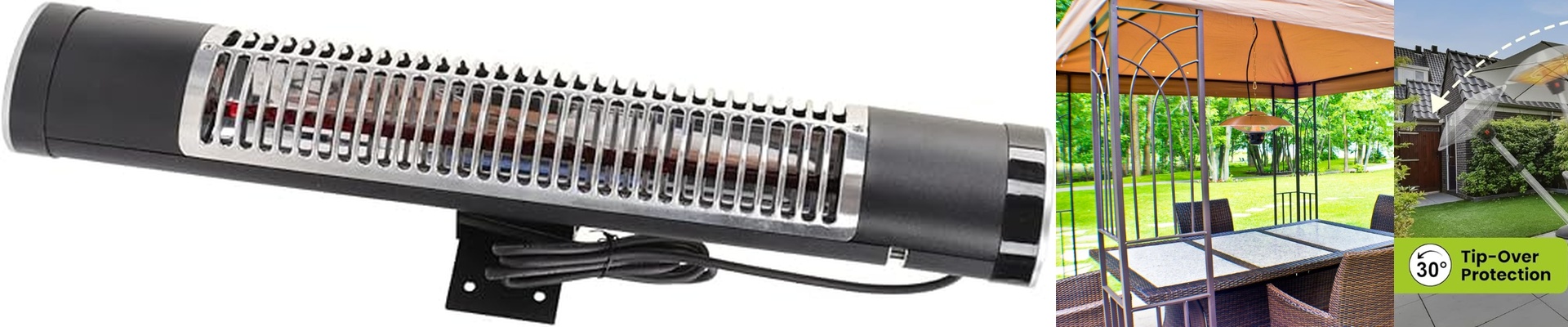
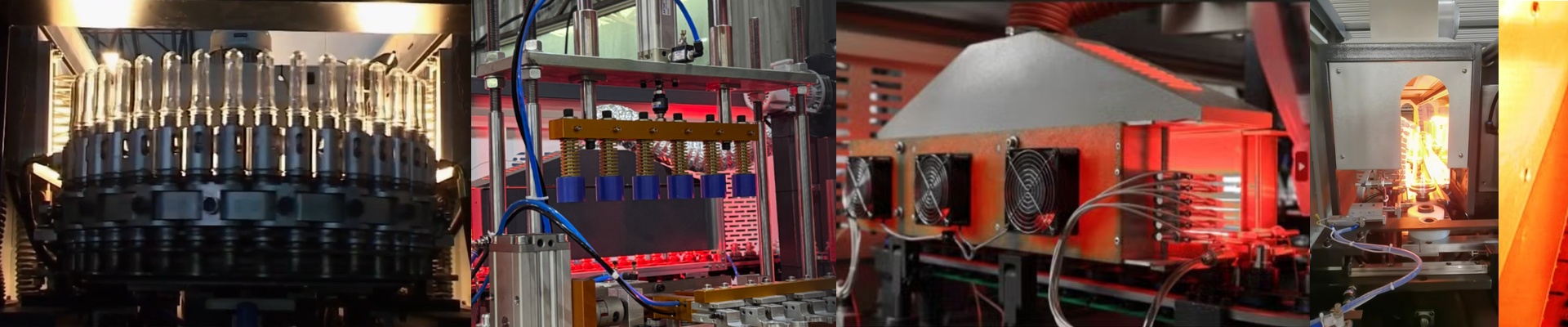
Everyone knows that specific, deep golden-brown crust is what makes bread look and taste professional. But hitting that mark in an industrial oven is tricky. You need a quick, intense burst of heat, but if you leave it on too long, you end up with a crusty exterior and a crumb that’s dry as a bone. That’s where gold-coated quartz IR tubes come in. Why the gold? Think of a standard quartz tube like a lightbulb; heat goes everywhere, including back into the oven walls where it’s wasted. By adding a thin layer of gold to the outside, we basically create a thermal mirror. Instead of the heat wandering off, the gold pushes all that infrared energy straight down into the dough. You get a massive hit of heat exactly where you need it, and your oven chassis stays much cooler. Speed is everything Browning happens in a heartbeat. If your heating element takes five minutes to warm up, you’ve already lost the battle. These tubes are different. They hit full power almost instantly. It gives you a level of control that’s honestly a relief—you can dial in the exact shade of brown you’re looking for without accidentally cooking the inside of the loaf into a brick. The one catch Nothing is perfect. These tubes give you incredible heat density, but they’re a bit high-maintenance. The gold coating is sensitive. If you let flour dust or grease build up on the glass, you’ll get hot spots. Those spots are killers—they’ll burn the tube out way faster than it should. If you want them to last, you’ve got to keep them clean. Simple as that. Making it work in your line The good news is that these are designed to just slide right into your existing IR arrays. We use high-purity quartz so the tubes don’t warp or bend when they’re cycling on and off rapidly. Just make sure you pair them with a fast-acting PID controller to avoid scorching your product. If your conveyor belt speeds up or slows down, your heat needs to react just as fast. If the timing is off, the bread is ruined. But when it’s dialed in? It’s perfect.