Getting a Perfect Roast: Why Carbon Fiber Infrared is the Secret
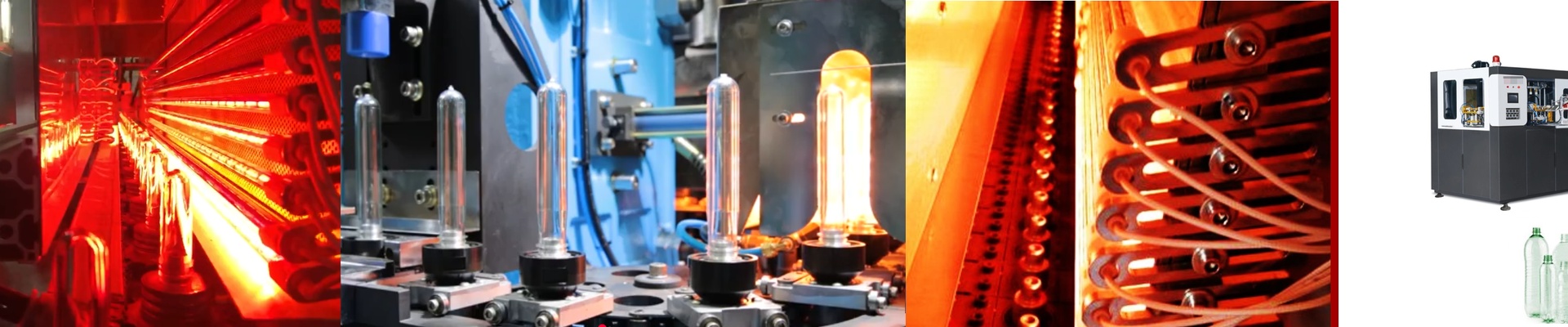
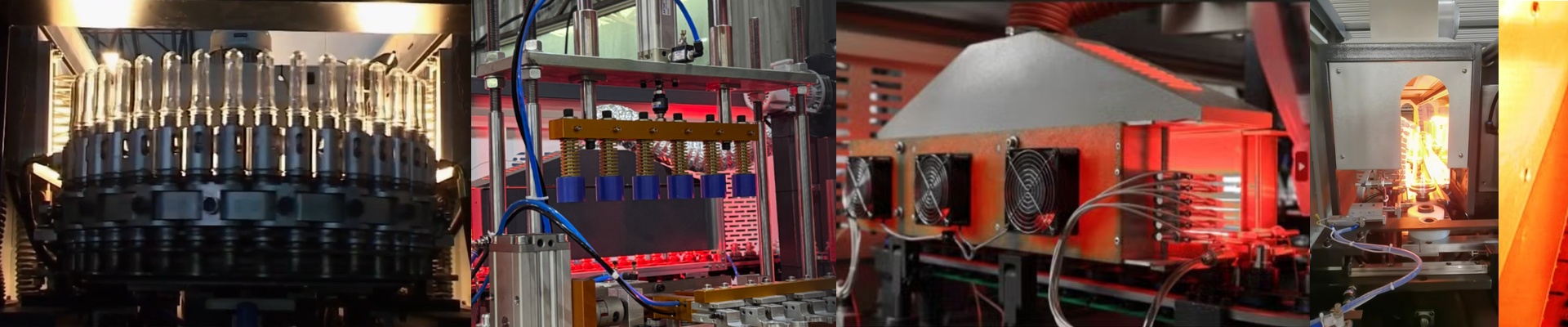
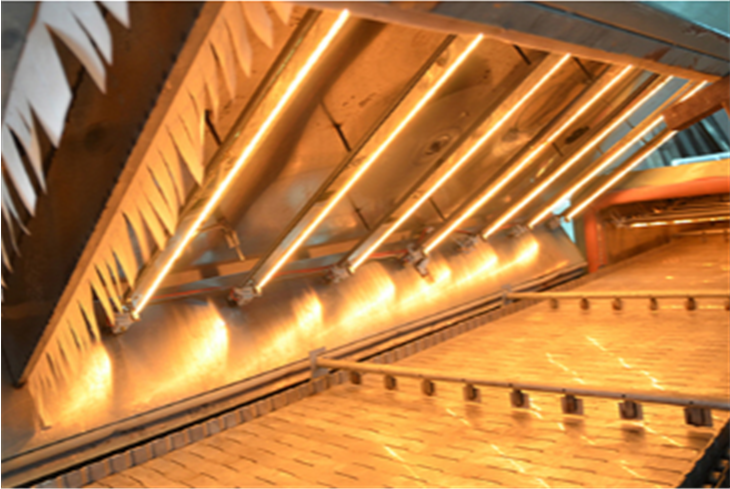
Ever noticed how some rotisserie chickens come out with those annoying cold spots? That’s the problem with standard convection ovens. They rely on blowing hot air around, but air is lazy. It doesn’t always hit every inch of the meat evenly. That’s why we switched to carbon fiber infrared (IR) heaters. Instead of just warming the air, these emitters send short-wave radiation straight into the food. It doesn’t just sit on the surface; it actually penetrates. How we get that 360-degree heat You can’t just blast heat from one side and hope for the best. That’s a recipe for a burnt exterior and a raw center. We set up our carbon fiber tubes in a radial or staggered pattern all around the rotating spit. As the meat spins, it catches these IR waves from every possible angle. The best part? You don’t have to crank up the fans to insane speeds. That means you aren’t blowing the moisture right out of your roast before the middle is even cooked. Why carbon fiber beats quartz We went with carbon fiber because it’s incredibly fast. These things hit their target temperature almost the second you flip the switch. No more standing around wasting energy while a heavy heating element slowly warms up. To keep things clean, the carbon filament lives inside a high-purity quartz tube. This keeps the grease and kitchen steam away from the electronics, but lets the heat pass through without any trouble. The tricky part (and how to handle it) Here’s the thing: these IR arrays pack a serious punch. If you just run them at 100% for too long, you’re going to scorch the skin. You’ll want a control system that uses PWM or SCR voltage regulation to keep things precise. And a quick tip on sensors—don’t just measure the air temperature in the oven. That won’t tell you anything. You need to monitor the actual surface of the food. One last piece of advice:watch your wiring. Standard PVC wires will melt in a hot convection environment. It’s a nightmare to fix mid-shift. Stick with fiberglass-sleeved leads so your system doesn’t short out right when you’re in the middle of a heavy rush.