Introduction
Picture a busy bread oven. The main heating zones are doing the heavy lifting, but what happens the second that door swings open or a new batch goes in? You need heat that reacts immediately. That’s exactly why we built this infrared auxiliary heating lamp. It lives for that kind of environment—constant on/off cycles, zero room for hesitation. It’s there to deliver heat that responds in a heartbeat, without ever letting you down.
Power, Voltage, and Size: All About Speed
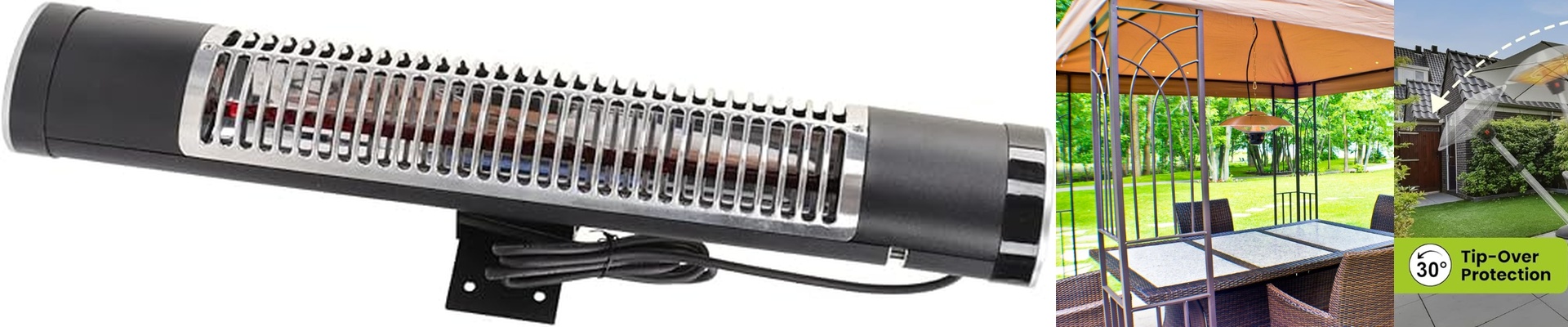
This lamp was designed to be fast—really fast—without taking up a ton of space. It runs on a high-voltage setup (usually 400V), which lets the current ramp up quickly. That means the filament heats up almost instantly. And because the tube is short and focused (around 300mm), all that wattage gets packed into a tight spot. You get a blast of high heat right where you need it—like near the oven entry or right over a specific pan—without straining the whole oven’s electrical system.
The Build: Built to Take the Heat
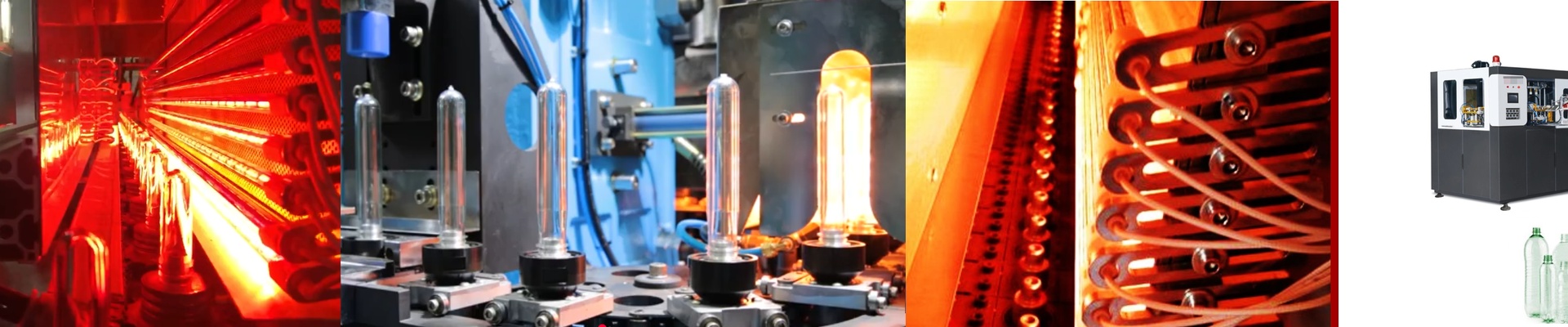
The tube is quartz, and that’s not by accident. Quartz handles extreme temperature swings without cracking, which is perfect when you’re switching the lamp on and off all day long. Inside, a halogen fill and a reflective coating keep the infrared output steady and direct the energy forward. Less wasted heat, more useful heat. And for the connectors, we went with R7s. It’s the practical, shop-floor choice. It holds tight on both ends, keeps everything aligned, and takes stress off the contact points. When it’s time for maintenance, swapping it out is simple and straightforward.
Real-World Performance: Keeping Up With the Pace
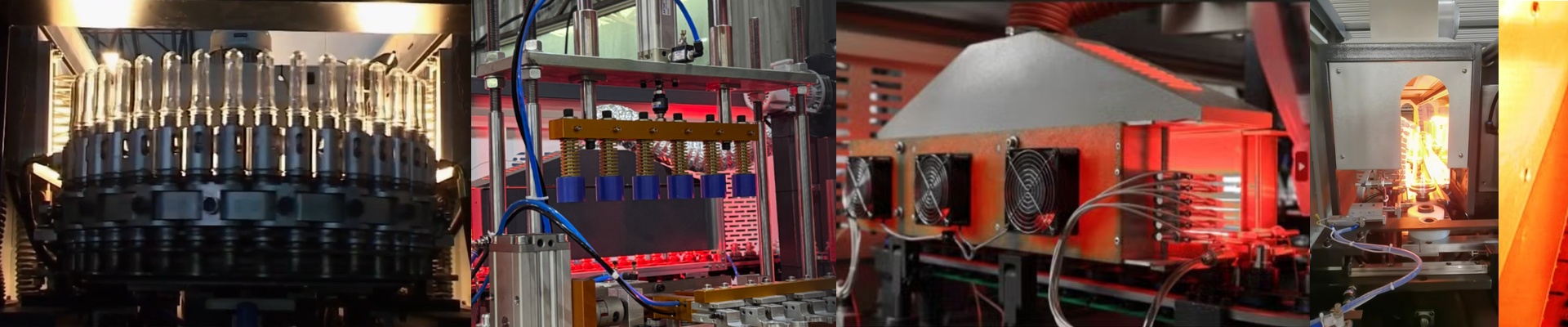
In a bread oven, timing is everything. Auxiliary heat has to kick in within seconds to keep the dough surface from cooling off. This lamp hits temperature fast because the design keeps the active zone light on thermal mass. That said, high heat density means you’ve got to give it the right support. Make sure the machine cooling is solid and leave enough clearance around the lamp to keep the surrounding temperature in check. Do that, and it just keeps going—shift after shift, cycle after cycle—delivering steady, reliable radiant heat when you need it most.