Stop Fighting Your IP55 Heaters: A Better Way to Handle Burnouts
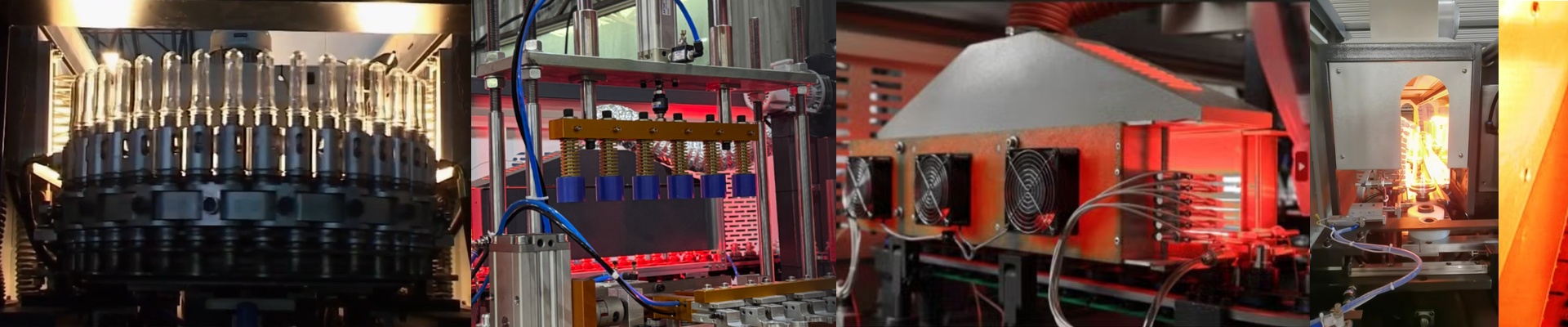
Let’s be honest: IP55-rated table heaters are a pain to maintain. The goal is to keep dust and water jets out, which is great until something actually breaks. Usually, that means the heating element burns out. When that happens, you’re stuck staring at a unit that’s been sealed tight—sometimes with permanent gaskets or potting—making it feel more like a puzzle than a piece of equipment. It’s frustrating. You spend hours stripping the housing just to replace one tube, all while praying you don’t ruin the waterproof seal when you put it back together. We got tired of that. So, we stopped building permanent assemblies and moved to a modular setup instead. The “Drop-In” Approach Here’s how we handled it. Instead of wiring everything individually inside a cramped, wet-rated box, we bundled the infrared lamp and its reflectors into one single unit. Think of it like a cartridge. When a heater goes, you don’t need a toolkit and a prayer. You just:
- Pop the access panel.
- Unplug one quick-plug header.
- Slide the old module out.
- Drop in a fresh, pre-tested one. It turns a stressful afternoon of maintenance into a two-minute job. No fighting with screws, no messing around with sealant on a loud production floor. You just swap it and get back to work. The Honest Trade-off Now, nothing is perfect. Adding modules means adding more connection points, and in the engineering world, more connections usually mean more places for things to go wrong. To fix that, we used high-temp, vibration-resistant connectors. They’re tough. They hold up. The other thing? The unit is a few millimeters larger than a hard-wired heater because of the module housing. But honestly? I’ll take a slightly bigger footprint any day if it means I don’t have to tear my hair out the next time a lamp burns out. It’s a small price to pay for actually having your equipment running when you need it.