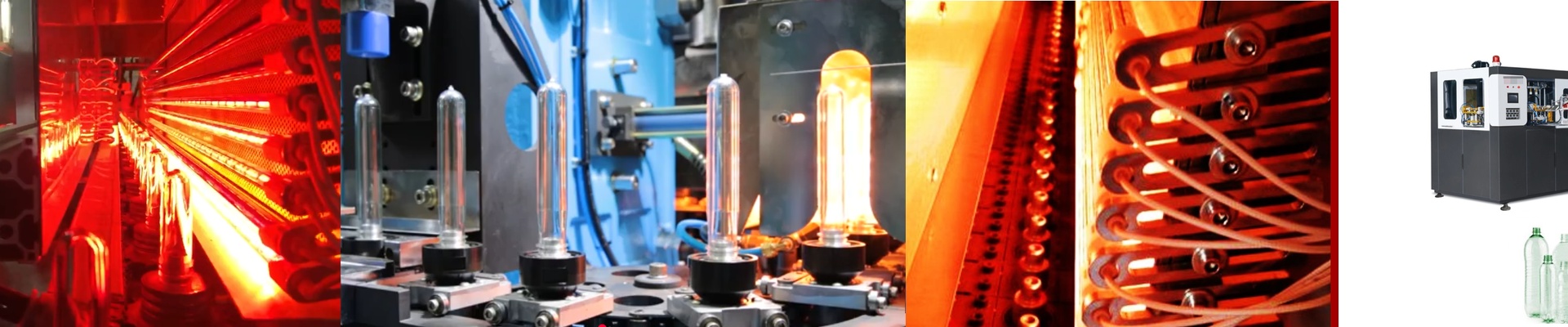
Stop the Guesswork with Your SIPA Heating
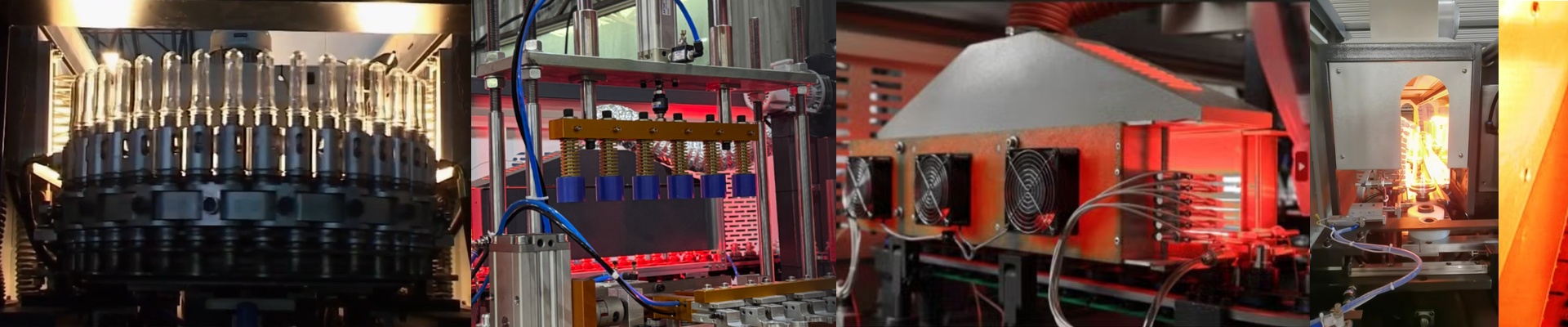
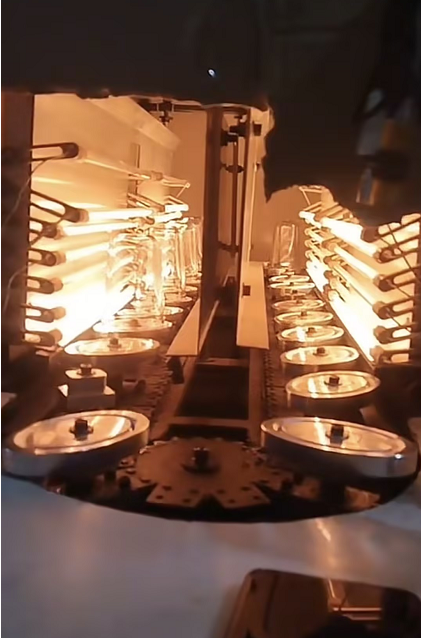
If you’re running SIPA rotary blow molders, you know that temperature is everything. But here’s the problem: when you start mixing IR lamps from different batches or random suppliers, things get messy. You end up with power variances. One lamp is pushing a bit too much, another isn’t doing enough. Suddenly, your preforms aren’t heating evenly, and you’re staring at bottles with weird wall thickness or that annoying pearlescent haze. It’s frustrating. The secret is in the match. We’re obsessed with 100% power matching. Why? Because if your machine expects a certain wattage and you’re off by even 5%, your entire heating curve shifts. We build our lamps to incredibly tight tolerances. Every single tube in that oven puts out the exact same amount of heat. The best part? You can stop spending your entire shift fiddling with PID tuning on the controller. It just works. Built for the grind We use high-purity quartz and halogen gas to keep the filaments stable. Whether your SIPA oven takes R7s or Sk15 connectors, these are simple drop-in replacements. We also engineered the quartz to handle rapid thermal cycling, so you don’t have to worry about them cracking when things get hot and cold quickly. The trade-off (Let’s be honest) High-wattage shortwave lamps are great because they cram a ton of heat into the preform fast. Your cycle times drop, and your output goes up. But there’s a catch. Your cooling system has to keep up. If you crank the power too high, your blowers need to be strong enough to strip that extra heat away from the neck and base. If they can’t, you’re looking at deformation. A pro tip for the shop floor When you’re installing these, check your current draw. And please, do yourself a favor:replace your lamps in full sets. I know it’s tempting to just swap out one dead bulb, but mixing a brand-new lamp with one that’s already clocked 2,000 hours is a recipe for disaster. It creates a heat imbalance. When you swap the whole bank at once, the preform hits a uniform infrared field. Less scrap. Less stress. More bottles.