Stop Waiting for Your Ovens to Warm Up
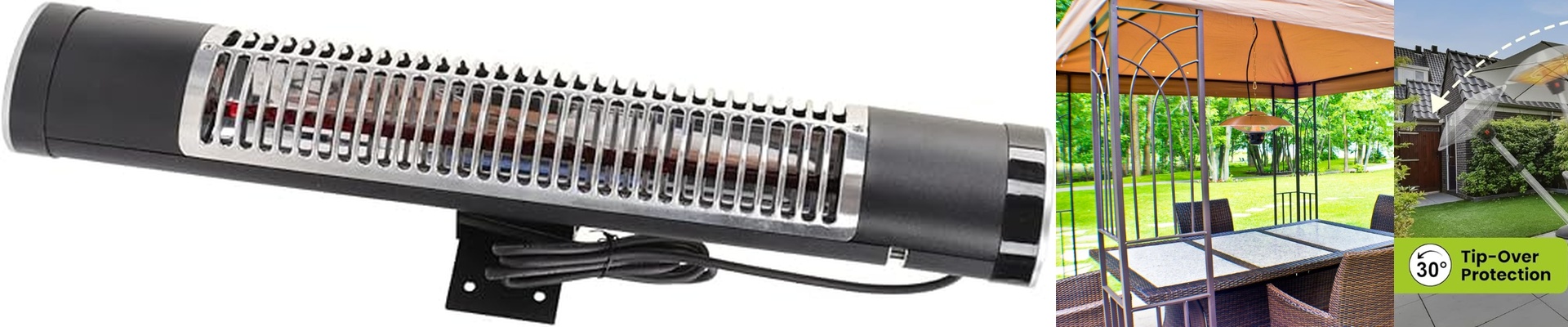
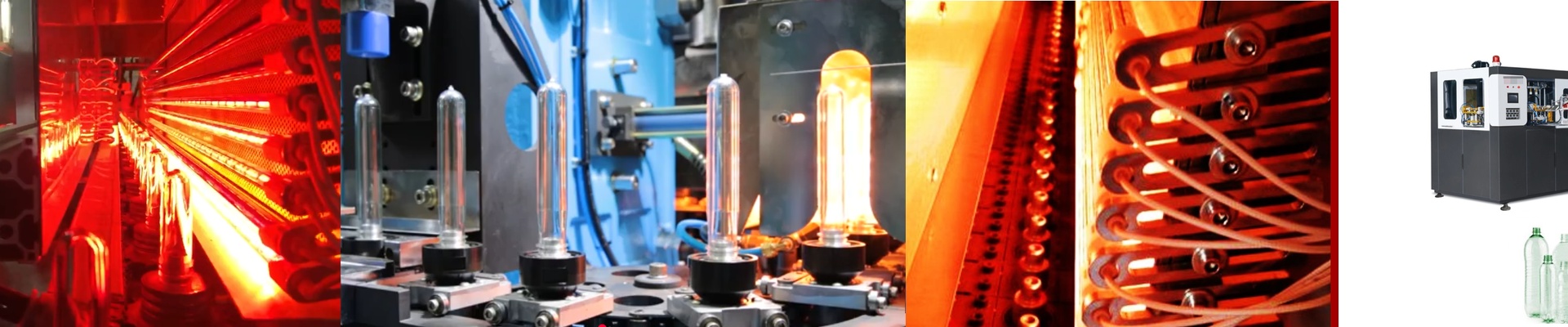
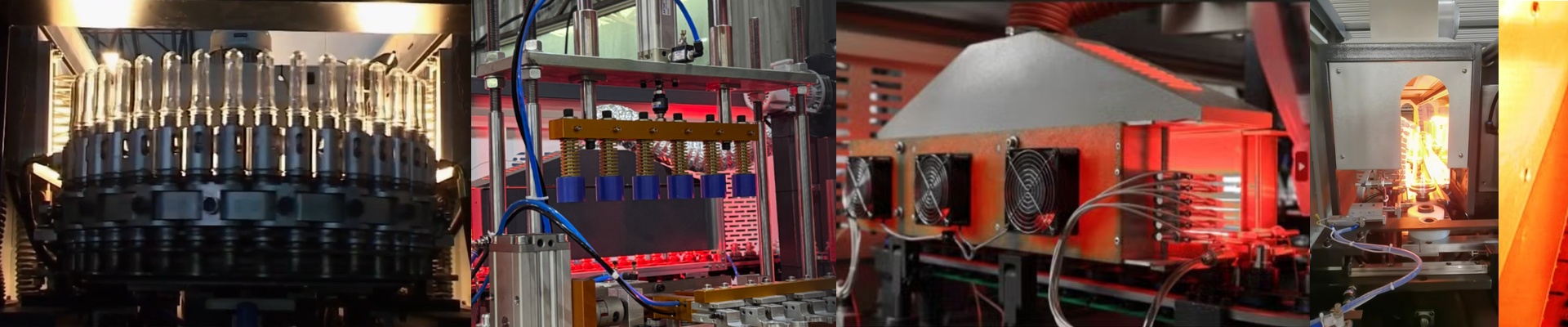
If you’ve spent any time in an industrial bakery, you know the frustration of the “preheat lag.” You’re standing there, clock ticking, waiting for those standard convection coils to finally get the air up to temperature. It’s dead time. And in this business, dead time is lost money. We found a better way to handle this by adding infrared (IR) auxiliary heating. Here’s the difference: traditional coils have to heat the air, which then heats the oven. It’s slow. IR lamps skip the middleman. They send energy straight to the oven walls and the product using electromagnetic radiation. It’s almost instant. Getting the heat up, fast We use short-wave infrared quartz lamps because they hit their operating temperature in seconds. By using high-wattage tubes—usually between 1000W and 2000W—we can force the oven to its setpoint way faster than forced air ever could. It means you spend less time staring at a thermometer and more time actually pushing product through the door. The nitty-gritty on the gear We typically go with tungsten filaments in quartz glass envelopes. We use R7s or SK15 connectors, so they just slide right in as replacements. Depending on what you’re baking, we can even use coated versions. These shift the emission spectrum, which is a fancy way of saying they can hit specific depths of the dough or the crust. Now, a quick heads-up on the install. You’ll need a dedicated Solid State Relay (SSR) to handle the fast switching on your control board. Also, these lamps gethot. Really hot. Make sure your housing can take the thermal load. If you crank up the wattage without enough ventilation, you’re just going to fry your lamp sockets. Finding the sweet spot Just to be clear, IR isn’t here to replace your convection heating. It’s a booster. If you tried to do the whole bake with IR, you’d end up with a burnt crust and a raw center. Not a great look. The trick is to use the IR for the initial ramp-up to save time, and then bring it back for that final browning phase. Let the convection do the heavy lifting for the bulk of the bake. That hybrid approach gives you the speed you want without messing with the crumb structure of your bread.