Keeping People Warm When Things Get Steamy: A Look at IP65 Infrared Heaters
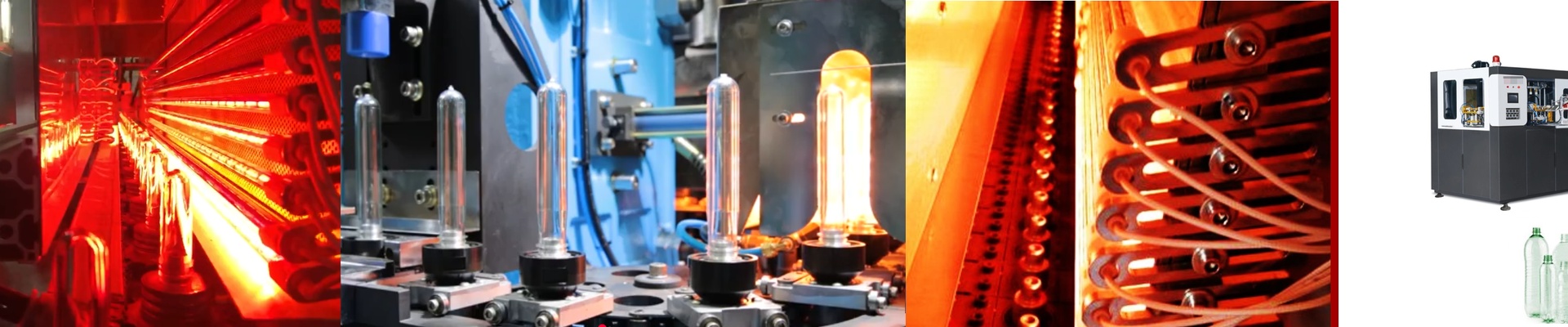
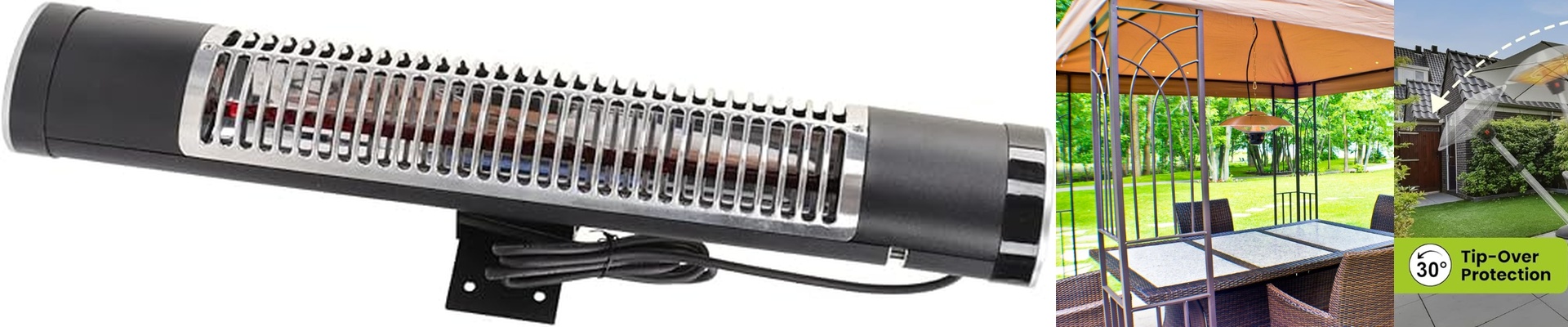
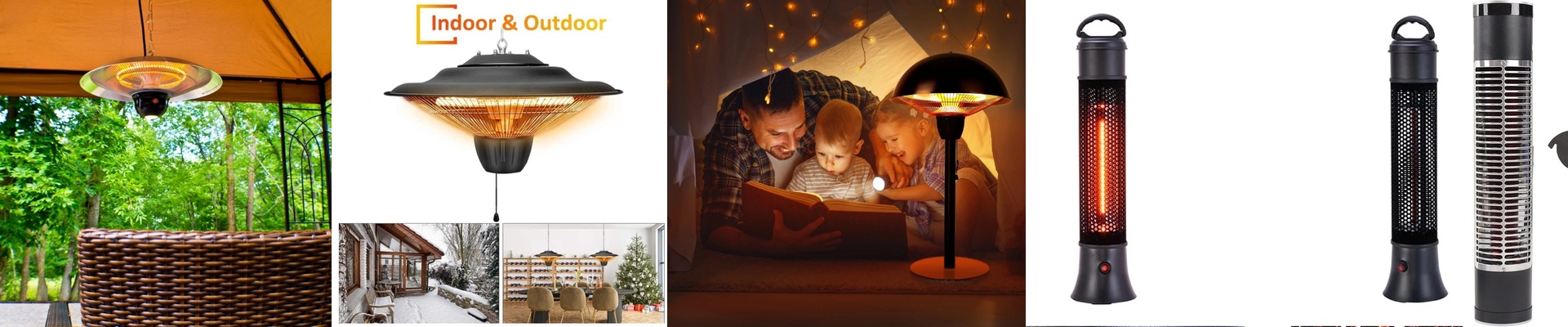
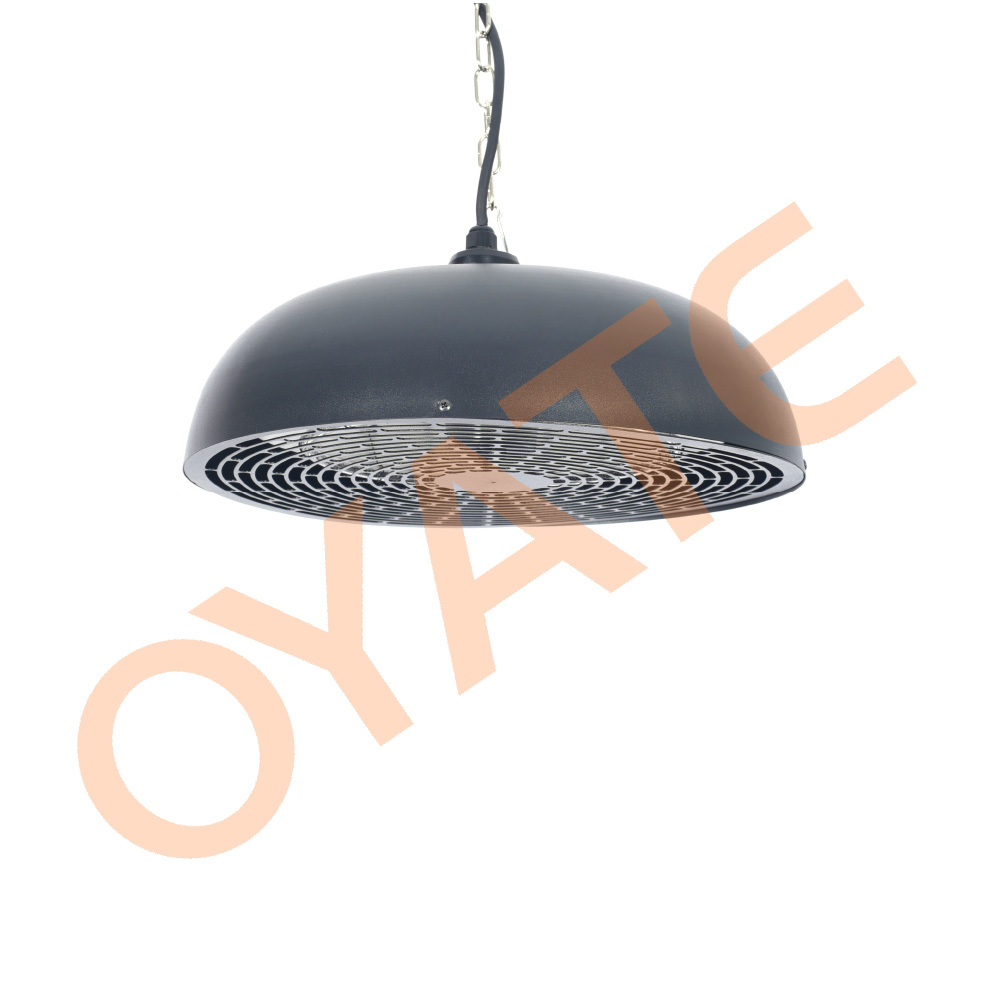
If you’ve ever tried to heat an outdoor patio or a drafty locker room with a standard heater, you know the struggle. You’re basically trying to heat the air, but the air just drifts away. It’s a waste of money and a waste of time. That’s why we use shortwave infrared (SWIR). Instead of fighting the breeze, these heaters shoot heat straight to the person. It’s instant. One second you’re shivering in a damp changing room, and the next, you actually feel warm. The magic of the “instant hit” Most heaters need time to wake up. Not these. Shortwave radiation hits full power almost the second you flip the switch. We build these units with a high wattage density, which is a fancy way of saying the heat doesn’t just sit on the surface—it actually sinks into your clothes and skin. It feels like standing in the sun on a crisp October morning. Dealing with the damp Let’s be real: water and electricity are a nightmare combination. If you’re putting a heater in a steamy gym or under a rainy awning, you can’t afford a short circuit. We seal everything—the wires, the housing, the whole works—to IP65 standards. In plain English? Dust can’t get in, and if someone hits it with a low-pressure water jet, it won’t blink. We also use corrosion-resistant alloys for the frame, so you don’t have to worry about the chassis rusting out after a few humid winters. A few things to keep in mind Installing these is pretty straightforward—they fit right into most industrial grids—but you have to be smart about where they go. Because the heat is so intense and localized, you can’t just slap them anywhere. If you mount them too low or cram them into a tight corner, you might melt a plastic fixture or, worse, burn someone. Check your wattage and give people some breathing room. If you’re swapping out those old, clunky heating banks, these are a huge upgrade. You save on your electric bill because you’re only heating the people, not the empty space. Just a heads-up: make sure your breakers can handle that first little surge of power when the units kick on.