
Stop Trying to Heat the Air in Drafty Rooms
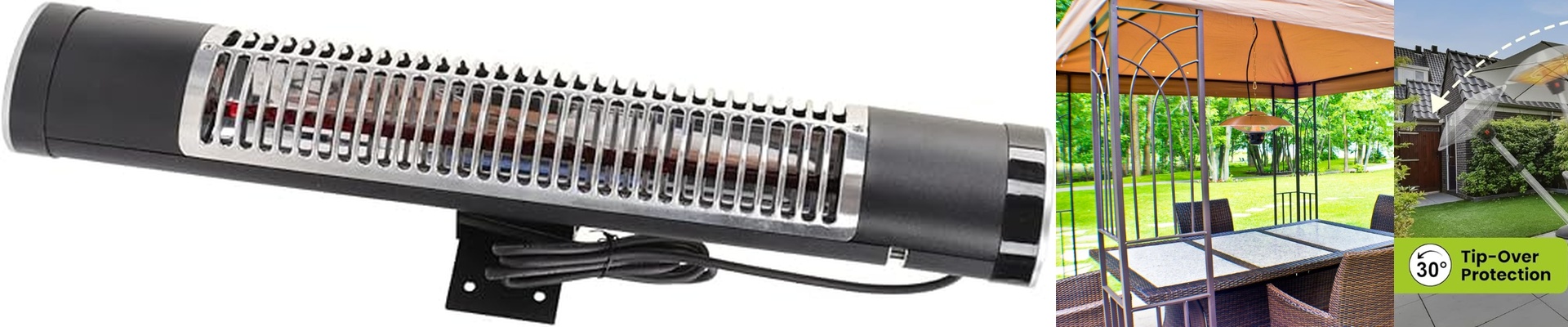
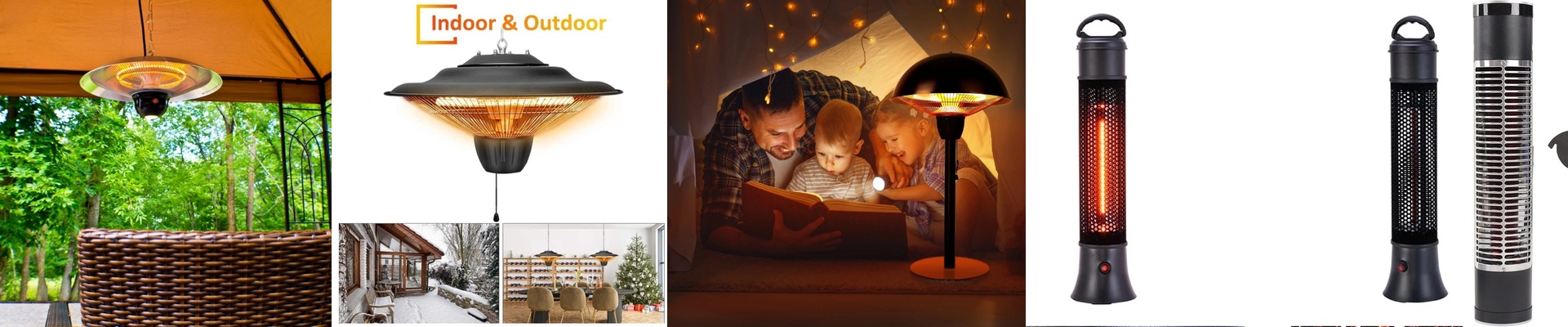
Ever tried to heat a locker room with high ceilings or a changing area that feels like a wind tunnel? It’s a losing battle. If you use standard convection heat, you’re basically just warming up the ceiling. The heat rises, stays up there, and leaves you shivering on the floor. That’s why we use ceiling-mounted shortwave infrared heaters. Instead of fighting the air, these units just ignore it. They send out electromagnetic radiation—basically light you can feel—that travels at the speed of light. It hits a solid object, like a person or a wooden bench, and turns into heat instantly. It’s a completely different feeling.
Why the “Punch” Matters
Shortwave IR is for when you need warmth now. There’s no waiting around for a radiator to warm up. You flip a switch, and it’s on. But here’s the thing: you can’t skimp on the wattage. Since the heat has to travel from the ceiling all the way down to the floor, you need enough “punch” to make it. If the wattage is too low, the energy just fades away before it ever touches the user. You’ll have a heater running full blast, but the room will still feel freezing.
Getting the Install Right
Most of our units use quartz glass to keep the heating filament safe. We tuck them into reflective housings so the heat is pushed straight down, rather than wasting energy by heating up the concrete slab above. Depending on how many units you’re putting in, you’ll usually wire these into 220V or 380V circuits. Now, you have to be careful with the height. If you mount them too low, it’s too intense—you might actually burn someone. But if you put them too high, you lose that cozy, luxury feel. It’s all a balancing act between how high the ceiling is and how much power you’re pumping out per square meter.
The Trade-off
The best part about shortwave IR is the speed. The downside? It doesn’t “stick.” The second you cut the power, the warmth is gone. It doesn’t linger in the room. Because of that, you don’t want these running 24/7, or your electric bill will be a nightmare. Your best bet is to use a solid timer or a sensor to handle the heavy lifting.