Stop Throwing Away Your Bathroom Heaters
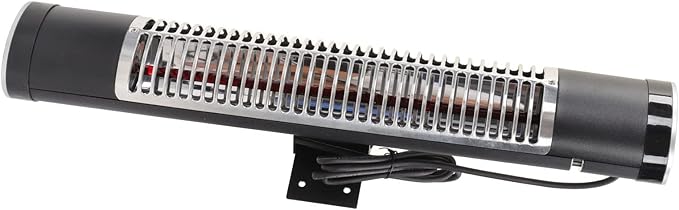
Let’s be honest: most bathroom infrared heaters are basically disposable. When a heating tube finally gives out after a few years, you’re stuck with a choice. You can either spend a fortune on a technician to rip the whole thing apart, or you can just buy a new unit. Usually, the labor costs more than the heater itself. It’s a waste of money and a waste of plastic. We thought that was ridiculous. So we changed how these things are built. The problem with the “old way” Bathrooms are tough on electronics. You’ve got constant steam and temperature swings. Over five years, the quartz glass wears down or the electrical contacts get crusty with oxidation. In a standard heater, everything is hard-wired. If one tube dies, you have to dismantle the entire housing and start desoldering connections. If you’re managing a whole building full of these, that’s a total nightmare. A better way to swap parts We decided to go with a “plug-and-play” setup. Instead of soldering the tubes directly to the circuit board, we used quick-connect terminals. Now, when a tube fails in year five, you don’t have to tear the whole unit out of the ceiling. You just pop off the faceplate, slide the dead element out, and you’re done. The frame keeps everything lined up perfectly, too. You don’t have to worry about the heat hitting the wrong spot after a repair. You just unplug the old one, drop in a new one, and get back to your day. It takes minutes. The trade-off Now, look—nothing is perfect. Using connectors instead of solder does add a tiny bit of resistance. To fix that, we used high-temp nickel-plated terminals so nothing arcs or sparks. The only catch? You just have to make sure the connectors are pushed in all the way. If they’re loose, they can get too hot. But as long as they’re seated firmly, it works like a charm. It turns a massive project into a simple part swap. Your heater stays in the ceiling, and less junk ends up in the landfill.