Getting Your Bakery’s Top-Heat Just Right
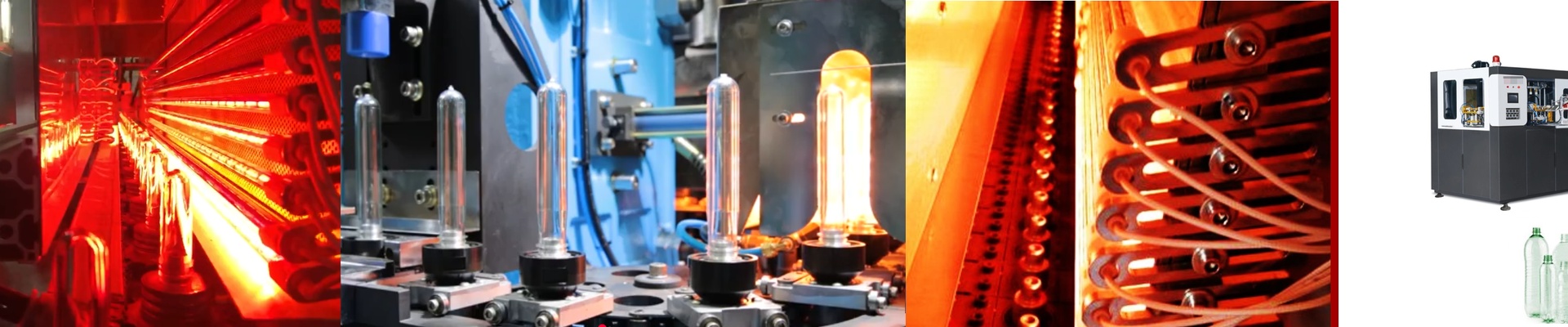
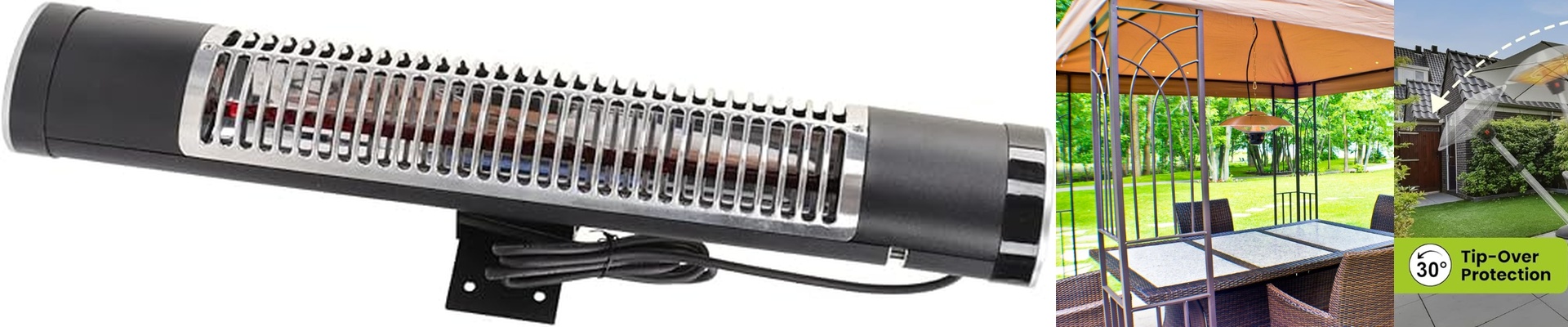
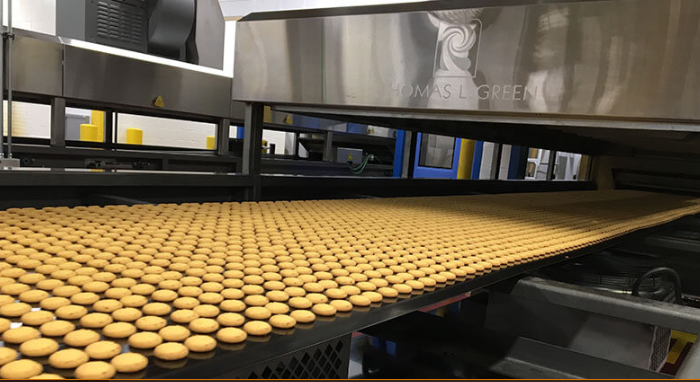
If you’re running an automated kitchen, you know that just blasting heat into an oven isn’t enough. Sometimes you need that perfect golden brown on a crust, or you need the temperature to snap back instantly after you’ve loaded a fresh batch of dough. That’s where short-wave infrared (IR) lamps come in. These aren’t your typical light bulbs. They’re heavy-duty thermal emitters that we plug right into your PLC or PID control loops.
Making the Heat Listen to You
The real trick here is the response time. With standard convection, heat lingers. But IR is different—it’s radiation. The second your controller cuts the power, the heat stops. We use Solid State Relays (SSRs) to make this happen. It allows for rapid pulsing, which is a lifesaver. Why? Because it stops that annoying “overshoot” where the top of your bread is charred black while the middle is still raw.
Getting the Hardware to Fit
Every oven is different, so we don’t do “one size fits all.” Whether you need a 200mm tube or a 500mm one, we build it to fit your specific footprint. One thing to watch out for is the balance between wattage and your plant’s voltage. Sure, more wattage means more heat, but it also puts a lot more stress on your wiring. We can even customize the coatings on the quartz glass. This lets us tweak how the heat hits the dough, making sure it penetrates just deep enough.
The Trade-offs (And How to Avoid Disasters)
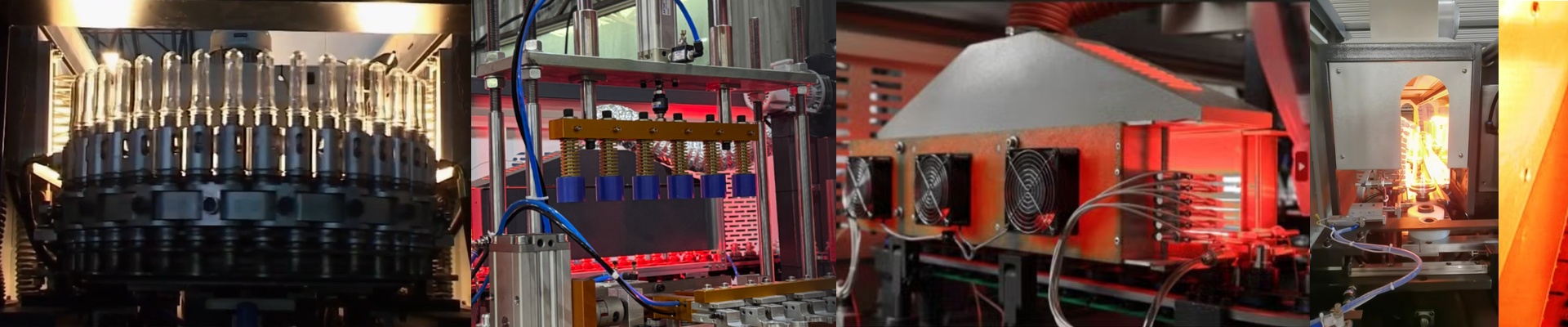
Here’s the thing: these lamps put out a massive amount of energy in a very small space. If you cram too many of them into one zone, you’re asking for trouble. You could end up warping your oven chassis or frying your sensors. You’ve got to be smart about your heat shields and cooling fans to keep the ambient temperature under control. And please, don’t skimp on the wiring. We use reinforced connectors because conveyors vibrate. A lot. If a connection gets loose, you’ll get an arc that can burn out a socket in a matter of days. It’s a small detail, but it’s the difference between a smooth shift and a midnight emergency repair.