Stop Burning the Outside and Leaving the Inside Raw
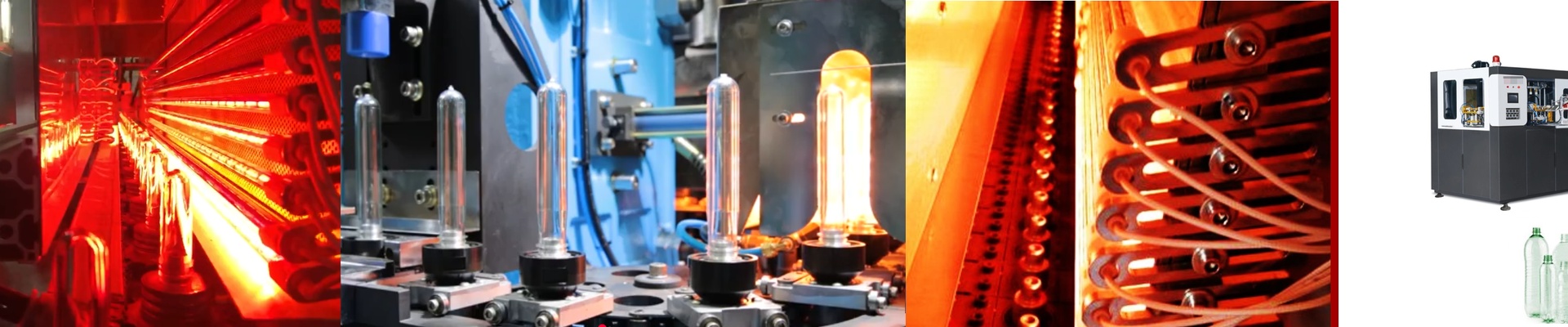
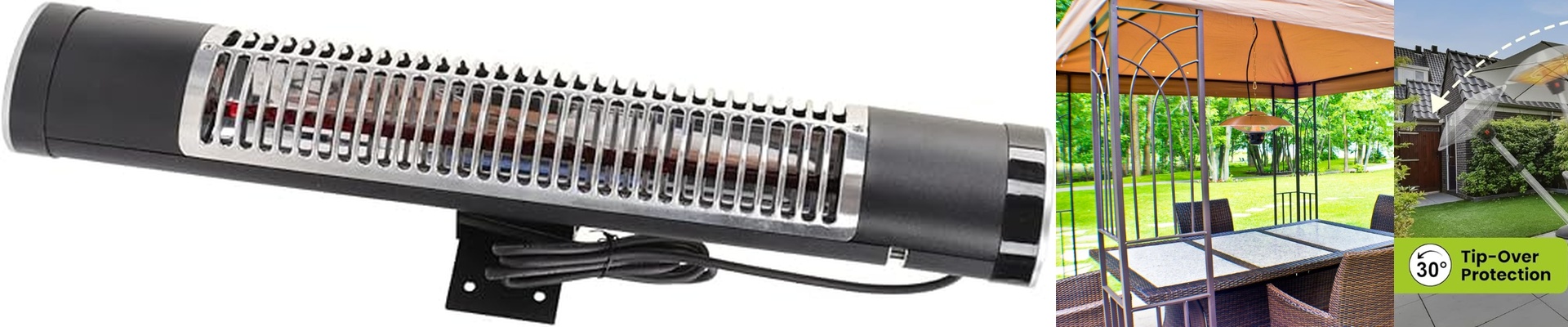
We’ve all been there. You’re cooking a thick slab of meat or a dense loaf of bread, and you pull it out of the oven only to find a charred crust and a center that’s basically still frozen. It’s frustrating. The problem is that standard ovens just move hot air around. We do things differently. We use infrared (IR) heating elements that push energy straight into the food molecules. It’s a much more direct way of getting things cooked. Getting the heat where it actually belongs To get heat deep into a thick cut, you can’t just blast it with random heat. You need the right wavelength. We tune our IR heaters to hit that sweet spot between intensity and control. The trick is making sure the surface doesn’t burn before the middle is done. That’s why we use PID controllers and fast-response thermocouples. It stops the element from overshooting the temperature, so you don’t end up with a blackened exterior. The nuts and bolts of the design We build these replacements using high-purity quartz glass. Why? Because it lets the IR waves pass through without getting blocked. Inside, the filament is coiled tight for high heat density, which means your oven hits the right temperature fast. The best part is that they’re drop-in replacements. They fit the same footprint and use the same wiring as your original OEM unit. No hacking or custom brackets required. One quick heads-up: you might be tempted to go for a higher wattage to speed things up. It works, but it puts more stress on the oven’s frame. If you go bigger than the original, just double-check that your wiring can handle the extra current. You don’t want your wires overheating. What to expect in the kitchen Since IR heaters don’t rely on air blowing around, you get a much more consistent cook across the whole tray. But there is a catch. IR is “line-of-sight.” If you stack your food or hide one piece behind another, the heat won’t hit it. Keep some breathing room between the heater and your food to avoid those annoying localized hotspots.