Why Most Infrared Heaters Fail in Steam Ovens (and How We Fixed It)
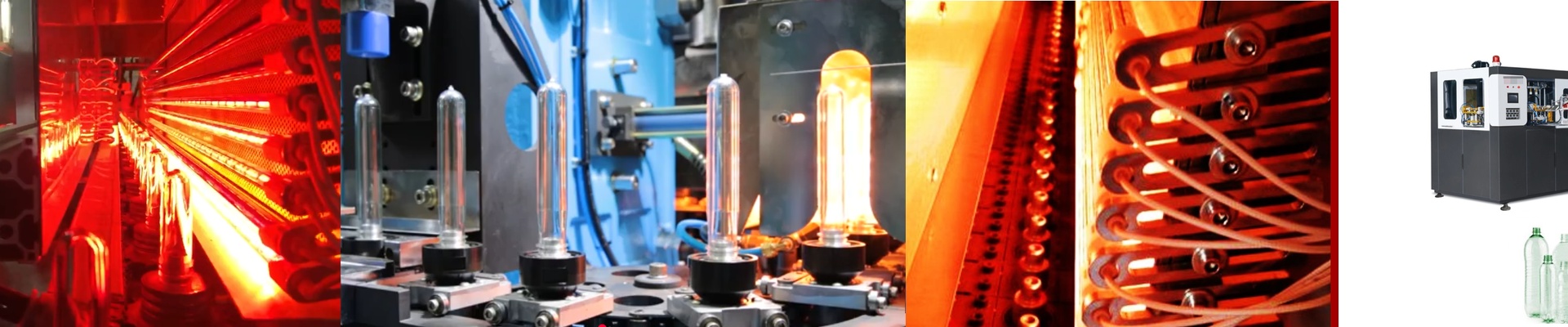
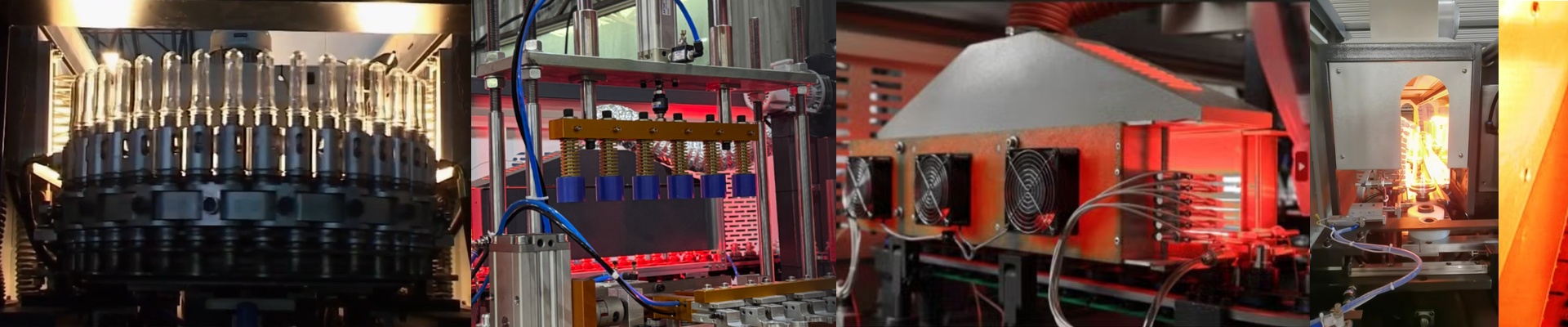
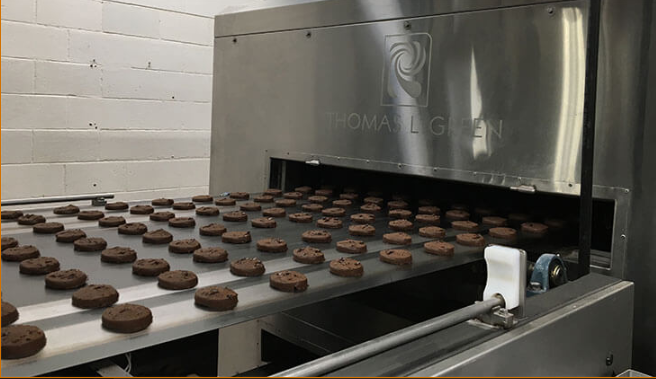
Let’s be honest: steam ovens are brutal on heating elements. You’ve got thick humidity and wild temperature swings happening all at once. In most cases, that’s a recipe for burnt-out filaments or heat that just won’t stay steady. It’s frustrating, and it kills your uptime. We use a specific kind of infrared quartz technology because it actually survives these conditions. Getting the temperature right If you’re warming bread, you can’t afford “almost.” You need the heat to hit the mark fast and stay there. We use high-density tungsten filaments wrapped in high-purity quartz. Why? Because it reacts instantly. When your controller cuts the power, the heat drops. When it kicks back in, it’s hot again in a heartbeat. No more worrying about those annoying cold spots that mess up your crust. The battle against moisture Steam is basically poison for electrical connections. If a tiny bit of water vapor sneaks past a seal and hits a red-hot filament, the lamp pops. Simple as that. To stop that from happening, we use sealed end-caps and leads that don’t corrode. Plus, the quartz is reinforced. It can take the shock of rapid heating and cooling without cracking under the pressure. A few things to keep in mind Here’s the deal: these tubes pack a lot of punch. Because they deliver so much heat, they put a real load on your wiring. Just make sure your contactors and wire gauges can handle the peak current. And a pro tip—don’t run them at 100% duty cycle if there’s no airflow around the sockets. If they can’t breathe, your connectors will wear out way faster than they should. The best part? These are designed as simple drop-in replacements for your standard warming arrays. Just wire them into your existing PID controller and you’re good to go. They keep a steady flow of heat regardless of how much steam is floating around in the chamber. Your bread stays warm, but it doesn’t dry out. That’s how it should work.