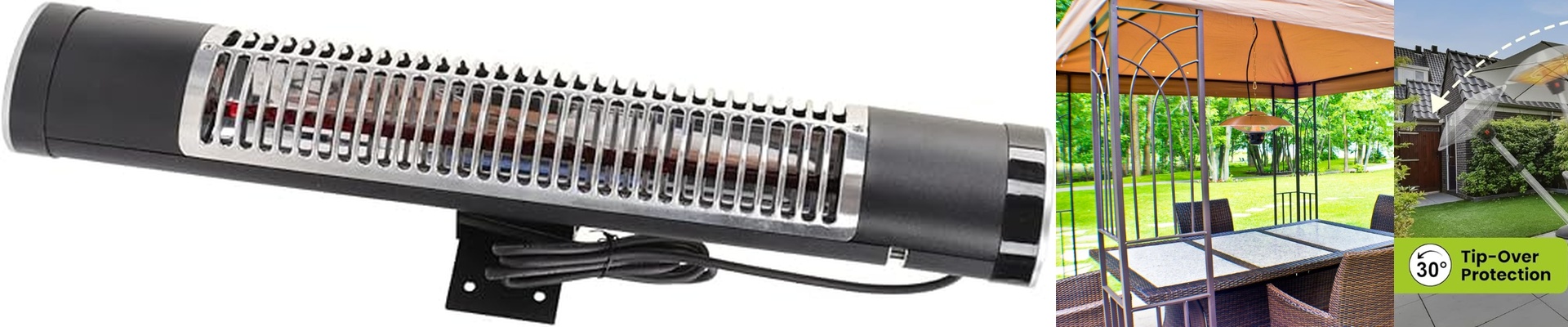
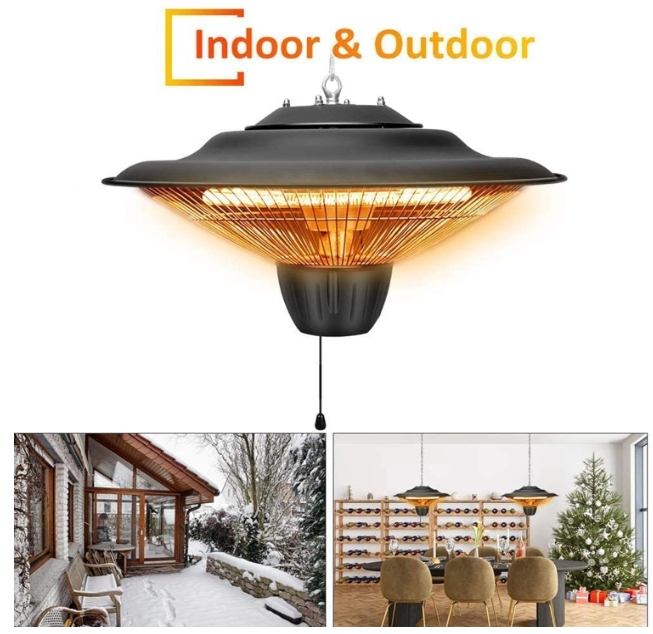
Why We Build Our Outdoor Heaters Like Legos
Let’s be honest: outdoor heaters have a rough life. They sit out in the rain, get blasted by dust, and just generally take a beating. That’s why we stick to an IP65 rating—it keeps the gunk out. But here is the real headache. It’s not the installation that kills you; it’s what happens five years from now when a heating element finally gives up the ghost.
The “Sealed Box” Nightmare
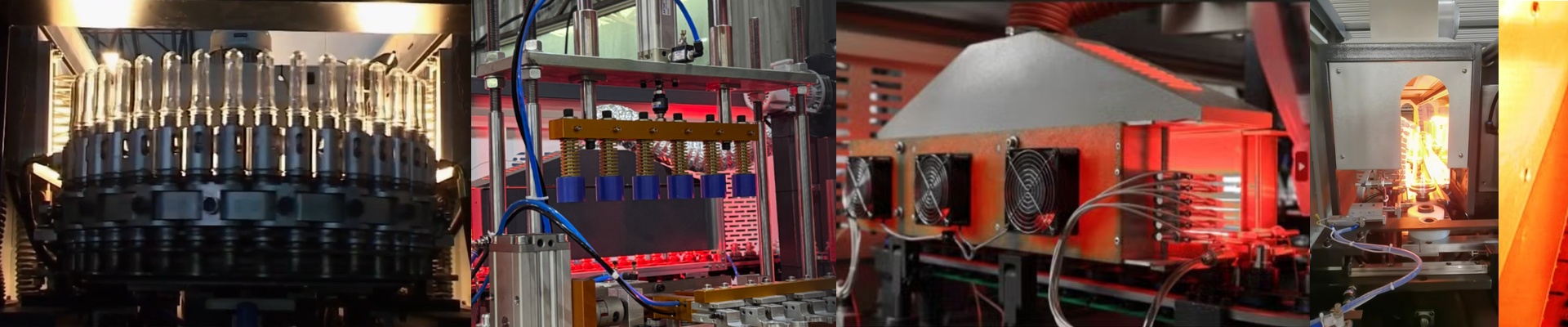
Most IP65 heaters are basically sealed vaults. When one tube burns out, you’re stuck. You either toss the whole expensive chassis in the trash or spend an entire afternoon fighting with stubborn gaskets and weird specialty screws just to fix one part. We hated that. So, we did things differently. We split the heater into blocks. The power electronics live in one spot, and the heating array lives in another. They’re separate. They’re swappable.
Swapping Tubes Without the Drama
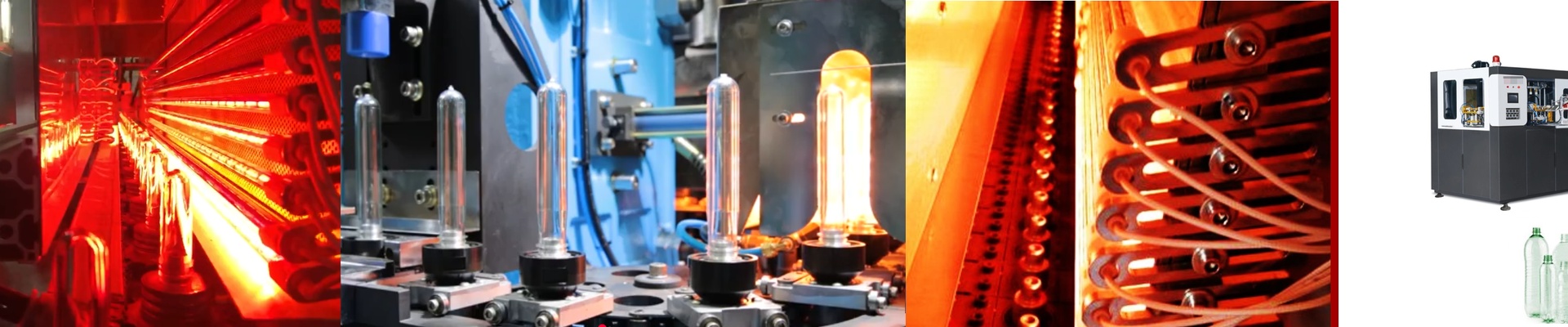
With our setup, you can just slide the infrared module out. You don’t have to tear apart the weather-proofing or mess around with the internal wiring. We use plug-and-play connectors. A technician can literally drop in a new tube and have it running in under ten minutes. It’s a huge relief. Instead of shipping a massive unit back to a factory and waiting weeks, you just keep a couple of spare modules on a shelf. Swap the dead one, lock it back into the seal, and you’re back to enjoying your patio.
The Catch (Because there’s always one)
Now, look—modular designs have a downside. More joints mean more places for water to sneak in compared to a single piece of welded metal. To stop that from happening, we use compressed silicone gaskets at every single connection. Here is the important part: you have to make sure those gaskets are seated perfectly when you swap a module. If you pinch the seal, moisture gets in. And if moisture gets in, it’ll fry your controller. We build these things to last. By making them easy to fix rather than impossible to open, we’ve turned a miserable all-day project into a quick five-minute job.