Making Baking Greener with Infrared Heat
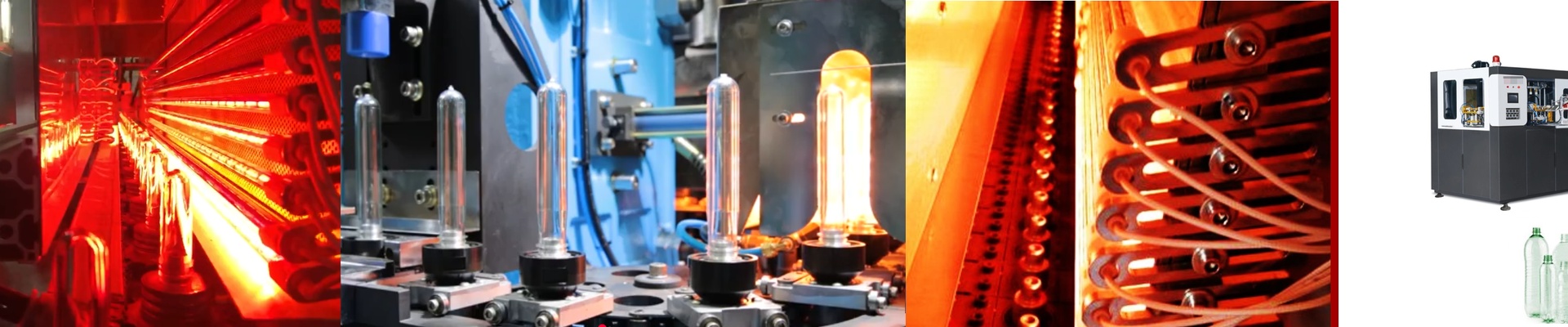
Let’s be honest: traditional deck ovens are energy hogs. They spend way too much time and power heating up the air and the heavy oven walls before the dough even feels a thing. It’s a lot of wasted effort. We’ve found a better way. By switching to infrared (IR) heating, we stop trying to heat the whole room and start targeting the bread itself. Instead of waiting for the air to get hot, the heat just hits the product. It means you spend less time waiting for the oven to ramp up and less money keeping it hot.
How the heat actually works
Think of it like the sun. You don’t need the air around you to be 100 degrees to feel the warmth on your skin on a cold day—the radiation does the work. Standard coils just heat the air, which then leaks out every time you open the door. IR elements send out waves that go straight into the baking surface. You aren’t fighting the oven chassis for every degree of heat. It keeps the surface steady without needing the entire cavity to be screaming hot, which is a huge win for your carbon footprint.
Picking the right gear
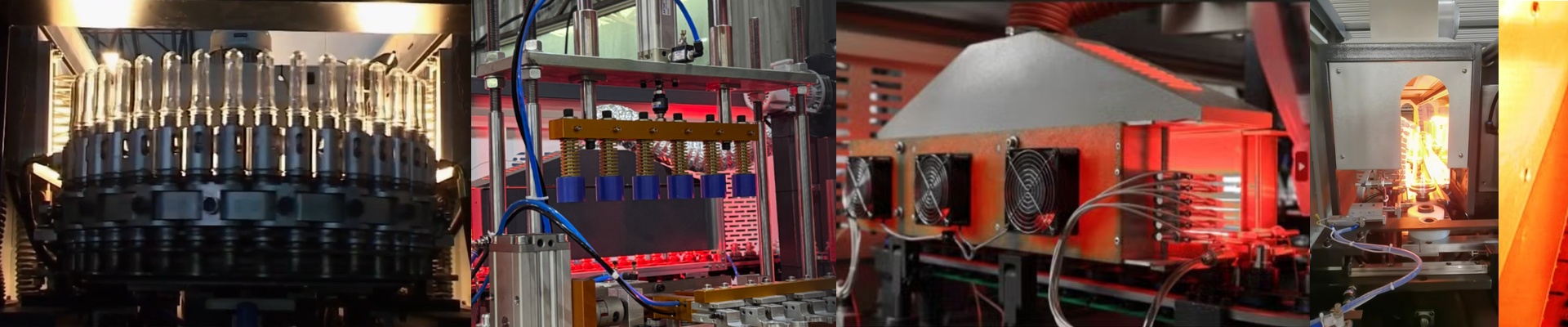
When we put these into deck ovens, we go with quartz-encapsulated filaments. The quartz is key because it lets the IR radiation fly right through it without soaking up the heat first. But you have to get the wattage right. This is where people usually mess up. If you go too heavy on the wattage, you’ll char the crust before the middle is even warm. Go too light, and you’ll be sitting around forever waiting for the oven to recover between batches. It’s a balancing act. And since things break in a busy kitchen, we use standard R7s or Sk15 connectors. If a tube pops during a rush, you can just swap it out in a few seconds. No need to tear the whole machine apart while your customers are waiting.
The catch
Look, IR isn’t a magic fix for everything. For one, these elements don’t last as long as those old-school stainless steel coils. You’re going to be replacing them more often. That’s just the trade-off for the speed. Also, because IR hits so hard and fast, your temperature controllers need to be snappy. If your PID loops are sluggish, the temperature will overshoot, and you’ll end up with a ruined batch. You need gear that can keep up with the heat.