
Why a Single Degree Matters in Your Steam Oven
Ever notice how one batch of bread comes out a perfect golden brown, and the next looks just a little… off? That’s usually because of a tiny temperature swing. In a commercial steam oven, even a 1°C difference messes with the Maillard reaction. That’s the science-speak for how your crust gets its color and how the inside stays moist. If the heat jumps around, your bread suffers. That’s why we obsess over our heating tubes. We build them to kill those swings entirely.
Getting the Heat Right
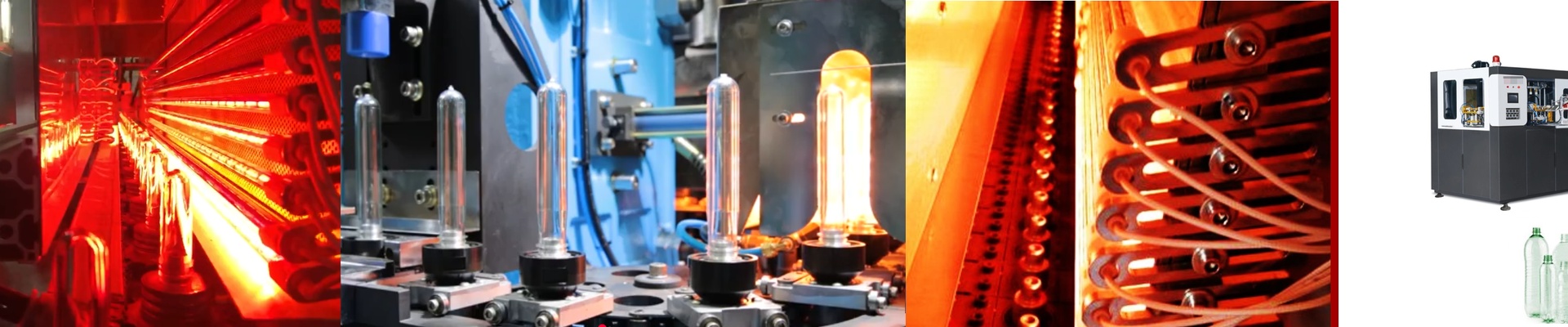
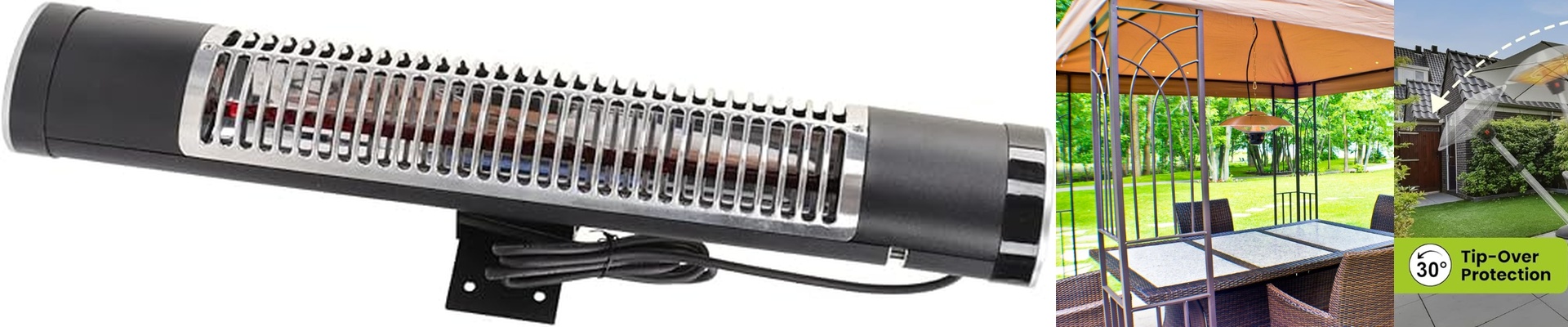
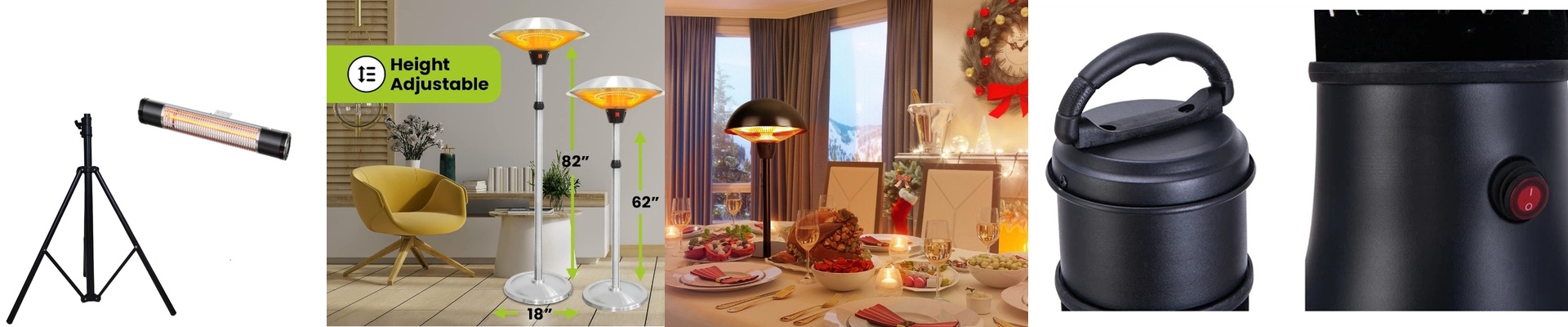
Consistency comes down to how much power is packed into the heating element. If a tube isn’t beefy enough, the system starts “over-cycling.” It’s like a car that keeps jerking forward and braking; the temperature just bounces up and down. We use high-purity alloys to keep things predictable. This means your PID controller doesn’t have to “hunt” for the right temperature. It just hits the mark and stays there. You get a steady, reliable flow of heat across the whole oven. No cold spots, no surprises.
Fighting the Steam
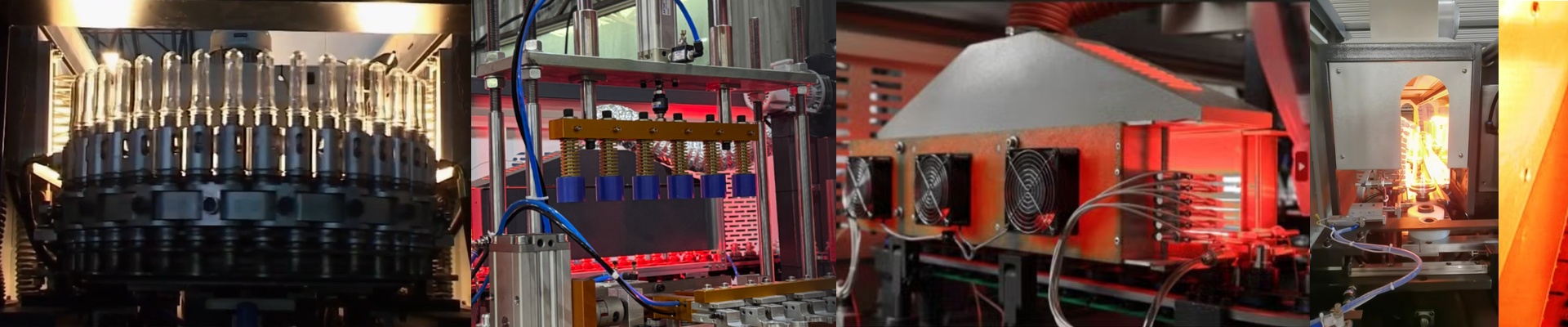
Steam ovens are brutal on equipment. Most standard alloys just can’t handle the constant humidity—they pit, scale, and basically rot from the inside out. We use a specialized cladding to stop that oxidation. Why? Because once a surface degrades, it doesn’t radiate heat as well. You’ll find yourself cranking up the voltage just to reach your setpoint, which is a fast track to burning out your gear. We also tweaked the diameter and wall thickness of the tubes. It makes them react faster. When you turn the power on, the heat hits the oven almost instantly. No lag, and more importantly, no “overshooting” the temperature.
A Couple of Things to Keep in Mind
These tubes pack a punch. Because they deliver such concentrated heat, your insulation needs to be up to the task. If you put a high-wattage tube in a chassis with thin walls, you’re just wasting energy. You’ll also want to double-check your airflow and venting. If the air isn’t moving right, you might end up with hot spots. The good news is that these are basically drop-in replacements for most industrial setups. Just do yourself a favor: check your voltage and the footprint before you install them. It’s a lot better than blowing a fuse the second you flip the switch.