
A Smarter Way to Handle Rotary Oven Costs
When bakery chains start growing fast, they usually hit the same wall: the cost of equipment. Traditional rotary ovens are beasts. They rely on convection, which means you need massive amounts of insulation and a long time just to get the thing warmed up. It’s slow, it’s bulky, and it’s expensive. We’ve found a better way. By using shortwave infrared (IR) heating elements, we can actually shrink the whole setup. You get a smaller heating chamber and a much lower bill when you buy the hardware.
How the IR stuff actually works
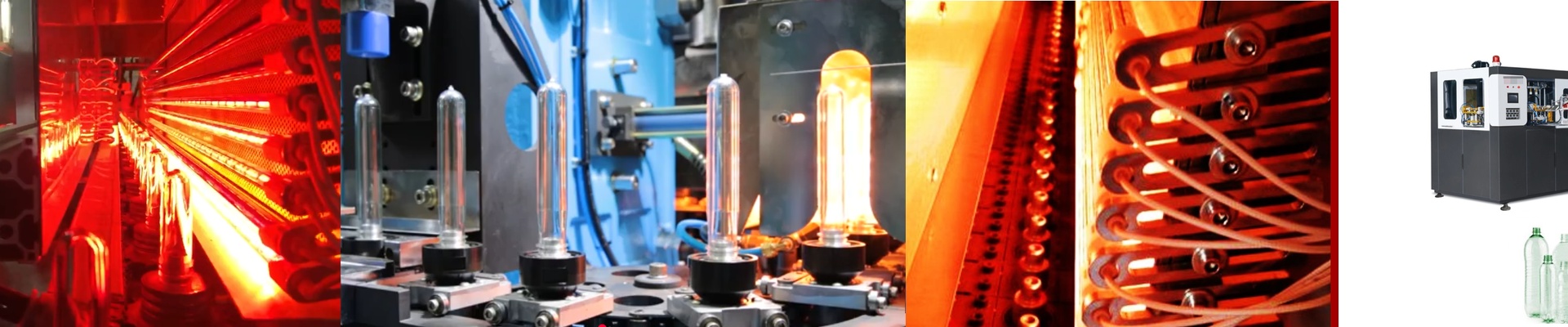
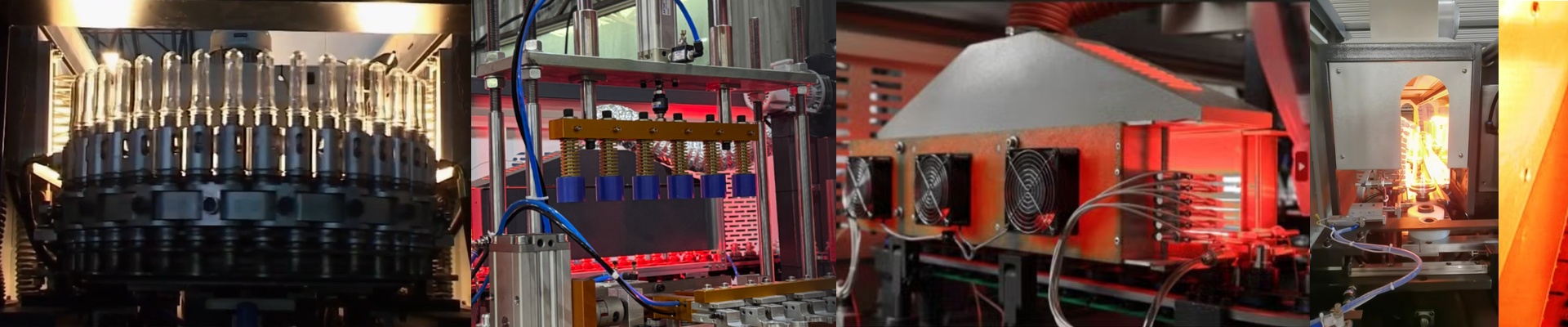
Think about it this way: convection heats the air, and then the air heats the dough. It’s a middleman. IR skips that. It sends energy straight into the dough using electromagnetic radiation. We use compact tubes that pack a serious punch of heat. Because the energy is so concentrated, you don’t need a giant forest of heating coils to get your bread to the right temperature. The best part? It ramps up almost instantly. Since you aren’t waiting forever for the air to heat up, you can use a smaller oven without slowing down your production.**Less steel, smaller crates, and cheaper shipping.**It’s a win across the board.
The nitty-gritty of setting it up
We usually go with quartz-halogen tubes. They react immediately. You can flick the power on and off rapidly, which makes it way easier to keep your temperatures exactly where they need to be. Installing them is pretty simple, but you have to be careful with your power grid. These high-wattage tubes pull a lot of current. If you go too heavy on the wattage without upgrading your contactors, you’re going to fry your relays. To keep things smooth, we suggest a PID controller. It stops the oven from overshooting the temperature during that first bake phase, so you don’t end up with burnt edges.
What this means for your wallet
When an oven manufacturer uses high-performance IR lamps instead of those old-school heating arrays, the total parts list gets shorter. For the person running the bakery, that just means a lower price tag per unit. You’re getting the same perfect bake, but without the unnecessary bulk. You’re basically trading wasted air space for raw efficiency.